


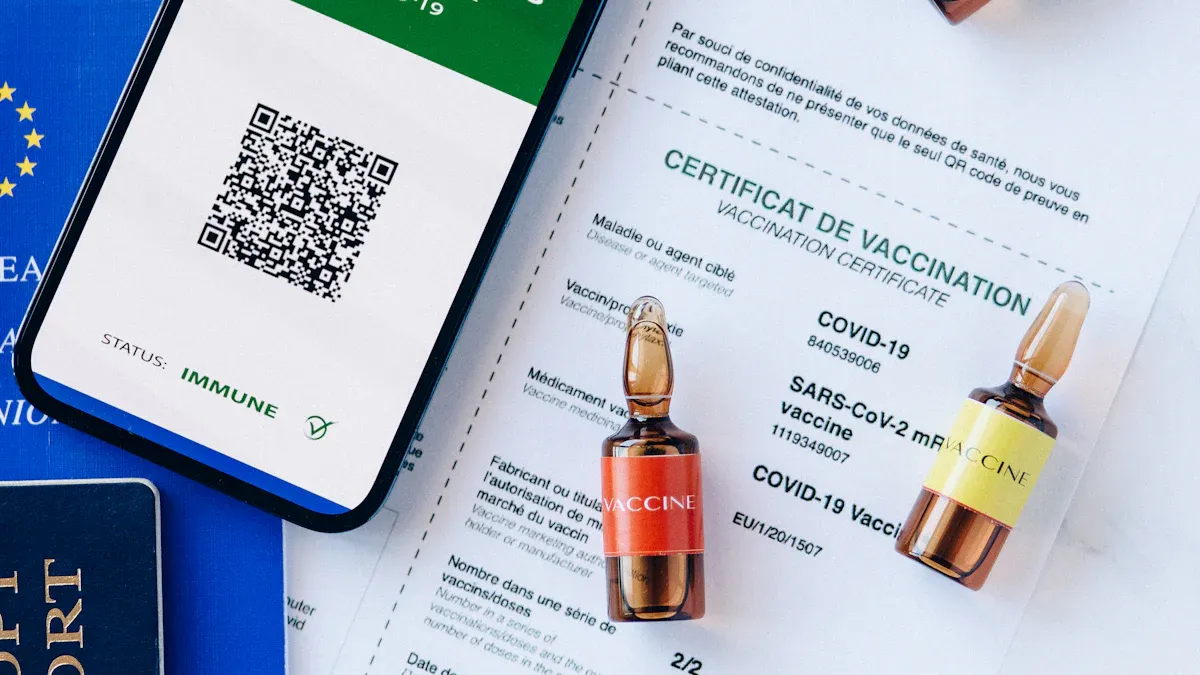
Vaccinating your dog against rabies is crucial for their health and safety. Not only does it protect them from this deadly virus, but it also fulfills legal requirements in many areas. In fact, studies show that over 93% of dog owners comply with rabies vaccination laws. Having a rabies tag can also ease access to pet services and provide you with peace of mind knowing your furry friend is protected.
Key Takeaways
Vaccinate your dog against rabies to protect their health and comply with local laws. This vaccination is crucial for your pet’s safety.
Keep your dog’s vaccination records handy. This documentation is necessary for obtaining a rabies tag and can help avoid delays.
If you lose your dog’s rabies tag, contact your veterinarian for a replacement. Provide your dog’s details and pay a small fee to get a new tag.
Obtaining a Rabies Tag
Vaccination Process
To get a rabies tag for your dog, the first step is ensuring they receive the rabies vaccination. This process is straightforward but must be done correctly to comply with local laws. Here’s what you need to know:
Consult a Veterinarian: Schedule an appointment with a licensed veterinarian. Only they or their supervised staff can administer the rabies vaccine.
Vaccination Timing: Most dogs should not receive the vaccine before they are 12 weeks old. After the initial vaccination, your dog will be considered immunized 28 days later. If your dog has had prior vaccinations, they are considered vaccinated immediately after a booster.
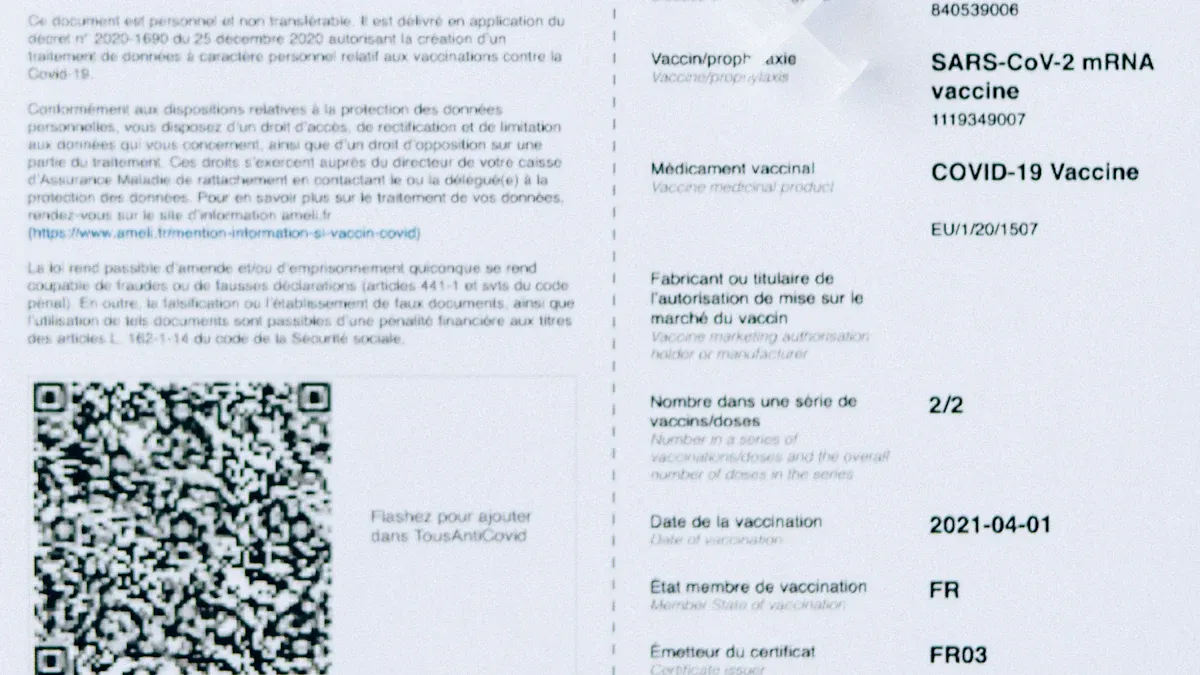
Documentation: After vaccination, your veterinarian will provide a Certification of U.S.-Issued Rabies Vaccination form. This form is essential for obtaining the rabies tag and may be required if you plan to travel with your dog.
Remember, keeping your dog’s vaccination records handy is crucial. Losing the vaccination certificate can delay the process of obtaining a rabies tag.
Local Licensing Requirements
Once your dog is vaccinated, you’ll need to navigate local licensing requirements to obtain the rabies tag. Here’s a quick overview of what to expect:
Requirement | Details |
|---|---|
License Tag Removal | Only the owner can remove a license tag from their dog. |
Lost Tag Notification | If you lose the tag, notify your local clerk’s office and pay a small fee for a replacement. |
New Residents’ Tag Recognition | Rabies tags from other areas are honored until they expire for new residents. |
Vaccination Requirement | Dogs four months or older must be vaccinated against rabies within 21 days of moving. |
In addition to these requirements, you may need to provide proof of rabies vaccination and pay a licensing fee. Some areas even offer discounts for spayed or neutered pets.
Here are a few common challenges you might face when obtaining a rabies tag:
Skipping the Paperwork: Ensure you have all necessary documents ready, as missing paperwork can slow down the process.
Waiting Too Long: Delays in obtaining the tag can lead to fines or issues with compliance.
Attaching the Tag Incorrectly: Make sure the tag is securely attached to your dog’s collar to avoid losing it.
Local animal control agencies enforce these regulations, so it’s essential to stay compliant. In some areas, failing to obtain or renew a rabies tag can result in fines ranging from $25 to $500, depending on the severity of the violation.
By following these steps and understanding the local requirements, you can easily obtain a rabies tag for your dog, ensuring their safety and compliance with the law.
Replacing a Lost Rabies Tag

Losing your dog’s rabies tag can be stressful, but replacing it is a straightforward process. Here’s how you can get a new one:
Requesting a Replacement
If your dog’s rabies tag goes missing, follow these steps to request a replacement:
Contact Your Veterinarian: Reach out to the vet who administered the rabies vaccine. They often keep records of vaccinations and can help you with the replacement.
Provide Necessary Information: Be ready to share your dog’s details, including their name, breed, and vaccination date. This information helps the vet confirm your dog’s vaccination status.
Pay the Replacement Fee: Most veterinarians charge a small fee for issuing a new tag. Here’s a quick look at typical costs:
Item | Fee |
|---|---|
Replacement Tag | $10.00 |
Receive Your New Tag: Once you’ve completed the steps above, your veterinarian will issue a new rabies tag for your dog.
Keeping Records Updated
Keeping your dog’s vaccination records updated is just as important as obtaining a new rabies tag. Regular updates ensure compliance with local laws and help you avoid fines. Here’s how often you should check your records:
State | Initial Vaccination | Booster Frequency | Source |
|---|---|---|---|
Illinois | Within 1 year | Every 1 or 3 years | IL Statute |
California | Within 1 year | Every 3 years | Cal. Code Regs |
Make sure to keep your records in a safe place. This way, you can easily access them when needed, whether for a replacement tag or when traveling with your dog.
By following these steps, you can quickly replace a lost rabies tag and keep your dog’s vaccination records up to date.
Importance of Rabies Tags
Grooming and Boarding
When you take your dog to a grooming salon or boarding facility, having a rabies tag is often a requirement. Many places won’t accept your dog without proof of vaccination. This tag shows that your dog is up-to-date on their rabies shots, which protects not only your pet but also other animals and people around them.
Here are a few reasons why rabies tags are essential for grooming and boarding:
Health Compliance: Groomers and boarding facilities need to ensure that all pets are vaccinated to prevent the spread of diseases. A rabies tag confirms your dog’s vaccination status.
Safety First: If your dog has a rabies tag, it indicates they are less likely to transmit the virus. This helps keep everyone safe, including other pets and staff.
Quick Access to Services: Some facilities may require you to show the rabies tag before providing services. Having it handy can save you time and hassle.
Animal Shelter Services
Animal shelters also rely on rabies tags for various services. Here’s how they play a crucial role:
Service Provided | Requirement for Rabies Tag |
|---|---|
Tracing lost dogs | Licensed dogs with rabies tags can be traced and returned to their owners by animal control officers. |
Preventing rabies transmission | Licensed dogs are considered protected from rabies, reducing the risk of transmission. |
Supporting animal control activities | Licensing fees fund rabies vaccination clinics and other animal control initiatives. |
Having a rabies tag helps shelters reunite lost pets with their owners. For instance, if someone finds a lost dog, they can check for a rabies tag. This tag often contains important information that can lead to a quick reunion.
Additionally, rabies tags contribute to public health. Rabies remains a serious concern, causing tens of thousands of deaths worldwide each year. By ensuring that dogs are vaccinated and tagged, communities can significantly reduce the risk of rabies transmission.
In fact, routine vaccination of dogs has proven effective in controlling rabies. This is especially important since domestic dogs are the main reservoir for the virus. Keeping your dog’s rabies tag updated not only protects your pet but also helps safeguard public health.
To get a rabies tag for your dog, follow these key steps:
Verify Your Dog’s Rabies Vaccination Status: Make sure your dog is vaccinated by a licensed vet and have the vaccination certificate ready.
Where and How to Obtain a Rabies Tag: After vaccination, you can get the tag from County Animal Control, a licensed veterinarian, or through online applications.
Keeping your rabies vaccination records updated is crucial. Here’s why:
It helps you comply with local regulations.
Accurate records are vital in emergencies for public safety.
Vaccinated dogs lower the risk of rabies transmission to humans.
Make sure your furry friend is protected and that you maintain their rabies tag for compliance and safety! 🐾
FAQ
What is a rabies tag?
A rabies tag is proof that your dog has been vaccinated against rabies. It’s essential for compliance with local laws.
How often should my dog be vaccinated for rabies?
Most dogs need a rabies vaccination every one to three years, depending on local regulations and the vaccine used.
Where can I get a rabies tag for my dog?
You can obtain a rabies tag from your veterinarian or your local animal control office after your dog is vaccinated.
