
You may wonder if coconut milk is safe for your feline friend. While coconut milk isn’t toxic to cats, it can lead to digestive issues. Understanding its effects on your cat’s health is crucial. Cats have unique dietary needs, and not all human foods suit them. Always prioritize your cat’s well-being by considering what you offer them.
Key Takeaways
- Coconut milk is not toxic to cats, but it can cause digestive issues like vomiting and diarrhea.
- Cats are obligate carnivores, so their diets should primarily consist of meat, not plant-based foods like coconut milk.
- If you choose to give coconut milk, do so sparingly. Start with a teaspoon and monitor your cat for any adverse reactions.
- Consider safer alternatives for hydration, such as goat milk or specially formulated cat milk, which are better suited for feline health.
- Always prioritize your cat’s health by providing a balanced diet and avoiding high-fat treats like coconut milk.
Is Coconut Milk Safe?
Ingredients of Coconut Milk
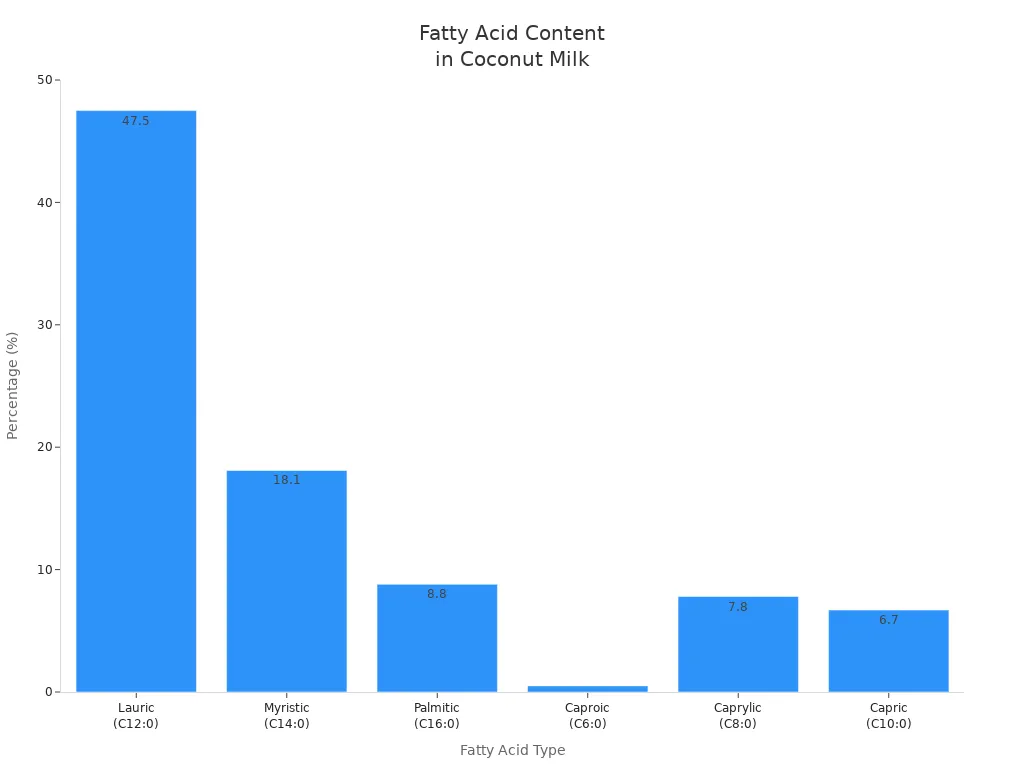
Coconut milk contains several ingredients that can impact your cat’s health. The primary components include various fatty acids, which contribute to its creamy texture and flavor. Here’s a breakdown of the main fatty acids found in commercial coconut milk:
| Fatty Acid | Percentage (%) |
|---|---|
| Lauric (C12:0) | 47.5 |
| Myristic (C14:0) | 18.1 |
| Palmitic (C16:0) | 8.8 |
| Caproic (C6:0) | 0.5 |
| Caprylic (C8:0) | 7.8 |
| Capric (C10:0) | 6.7 |
While these fatty acids can provide some health benefits, they also come with risks. Coconut milk is high in saturated fats, which can lead to obesity and other health issues in cats if consumed in large amounts.
Digestibility for Cats
Coconut milk is not toxic to cats, but it can cause digestive problems. Many cats struggle to digest high-fat foods, leading to symptoms like vomiting and diarrhea. The feline digestive system is not designed to process large amounts of fat, especially from plant sources.
When you consider giving coconut milk to your cat, keep in mind that some products may contain additives or preservatives. These ingredients can be challenging for cats to digest. Always choose unsweetened, natural coconut milk to avoid harmful additives.
Additionally, while coconut milk is lactose-free, it can still lead to gastrointestinal upset. Many plant-based milks, including coconut milk, may contain oils and thickeners that are hard for cats to digest. This can result in symptoms such as:
- Abdominal pain
- Vomiting
- Diarrhea
- Excess gas
If you decide to offer coconut milk to your cat, do so sparingly. Monitor your pet for any adverse reactions, especially if they are young or have sensitive stomachs.
Can Cats Drink Coconut Milk?
You may wonder if coconut milk is a suitable treat for your cat. While it might seem harmless, the implications of giving coconut milk to cats can be significant. Coconut milk does not provide any essential nutrients that cats require. In fact, it contains only about 2% protein, 30% fat, and 5% carbohydrates. This high fat content can lead to more harm than good, as it may cause stomach upsets and other chronic issues.
Veterinarians generally advise against including coconut milk in a cat’s diet. Cats are obligate carnivores, meaning their bodies are not designed to process plant proteins effectively. This can result in digestive problems like stomach upset and obesity if you frequently offer coconut milk.
Many misconceptions exist about feeding coconut milk to cats. For instance, some people believe that coconut milk is a healthy alternative to traditional milk. However, while coconut milk is less likely to cause diarrhea compared to dairy milk, it still contains fats and calories that can lead to similar digestive issues.
Here are some common misconceptions:
- Cats are obligate carnivores, so feeding them nut milks, including coconut milk, is not recommended.
- Some cats may have sensitivities to nuts, and the oils in coconut milk can act as a laxative.
- Cats often cannot process dairy well, leading to digestive issues when consuming traditional milk.
Risks of Coconut Milk for Cats
When considering whether to give your cat coconut milk, you should be aware of the potential side effects. While coconut milk is not toxic, it can lead to various health issues, especially in kittens. Here are some common side effects you might notice:
- Stomach upset
- Loose stools
- Diarrhea, even when ingested in small amounts
These symptoms can be particularly concerning for young cats, whose digestive systems are still developing. If you notice any of these signs after your cat consumes coconut milk, it’s best to stop offering it immediately.
Lactose Intolerance and Allergic Reactions
Many cats are lactose intolerant. This means they struggle to digest dairy products, which can lead to digestive issues. Although coconut milk is plant-based and does not contain lactose, it can still cause problems. Here are some reasons why:
- Plant-based milks, including coconut milk, are not toxic to cats.
- Many cats have difficulty digesting sweeteners, oils, and thickeners found in some coconut milk products.
- These ingredients can lead to digestive issues, such as gas and bloating.
In addition to lactose intolerance, some cats may have allergies or sensitivities to coconut. This can result in symptoms like:
- Vomiting
- Diarrhea
- Abdominal discomfort
If your cat shows any signs of an allergic reaction after consuming coconut milk, consult your veterinarian.
Long-Term Health Risks
Regular consumption of coconut milk can pose long-term health risks for your cat. The high fat content can lead to:
- Digestive upset
- Obesity
- Allergies or intolerances that cause vomiting and diarrhea
Additionally, the high calorie content can contribute to weight-related issues, such as hepatic lipidosis or pancreatitis. You should always prioritize your cat’s health by offering them a balanced diet tailored to their needs.
How Much Coconut Milk is Safe?
When considering coconut milk for your cats, moderation is key. A small amount can be safe, but you should limit it to avoid potential digestive issues. Here are some guidelines to follow:
- Serving Size:
- Start with just a teaspoon of coconut milk. This small amount allows you to monitor your cat’s reaction without overwhelming their digestive system.
- If your cat tolerates this well, you can gradually increase the serving size to a tablespoon. However, do not exceed this amount.
- Frequency of Consumption:
- Offer coconut milk as an occasional treat rather than a regular part of your cat’s diet. Once a week is a reasonable frequency. This helps prevent any long-term health issues related to high fat intake.
- Always observe your cat after giving them coconut milk. If you notice any signs of discomfort, such as vomiting or diarrhea, discontinue use immediately.
- Alternatives:
- If you want to provide your cat with a special drink, consider alternatives that are safer and more nutritious. Options like plain water or specially formulated cat milk can be better choices.
- You can also create homemade treats using cat-safe ingredients. For example, blending a small amount of tuna with water can make a tasty and safe drink for your feline friend.
Remember, your cat’s health should always come first. While coconut milk may seem like a fun treat, it is essential to prioritize their dietary needs and overall well-being.
Alternatives to Coconut Milk
If you’re looking for safe milk alternatives for your cat, several options exist that can provide hydration without the risks associated with coconut milk. Here are some cat-safe drink options you might consider:
- Goat Milk: This milk is lower in lactose than cow’s milk. It can be suitable for cats if specially formulated for feline consumption.
- Cat Milk: This product is lactose-free and enriched with vitamins and minerals. It is designed specifically for cats, making it a great choice.
- Coconut Water: While not essential, coconut water contains electrolytes, vitamins, and minerals that contribute to hydration. It can be a refreshing treat for your cat on hot days.
You can also explore homemade alternatives that are safe for your feline friend. Here are some ideas:
- Tuna Water: After draining a can of tuna, save the liquid. This flavorful water can be a delightful treat for your cat.
- Chicken Broth: Make a simple broth by boiling chicken in water. Ensure you avoid adding any seasonings or onions, as these can be harmful to cats.
- Pumpkin Puree: Mix a small amount of pumpkin puree with water. This can create a nutritious drink that supports your cat’s digestive health.
When considering these alternatives, remember that moderation is key. Offering these drinks occasionally can provide variety without overwhelming your cat’s digestive system.
Finally, coconut milk is not recommended for cats due to its high fat content, which can lead to digestive issues and pancreatitis. Responsible pet ownership involves providing appropriate food and water to prevent dietary problems. Always prioritize your cat’s health by choosing safe alternatives. By understanding your cat’s dietary needs, you can ensure a happy and healthy life for your furry friend.
Remember, your commitment to your pet’s well-being is essential for their happiness!
FAQ
Can coconut milk replace water for my cat?
No, coconut milk cannot replace water. Cats need fresh water daily for hydration. Coconut milk may cause digestive issues and should only serve as an occasional treat.
Is coconut milk harmful to kittens?
Coconut milk can upset a kitten’s sensitive stomach. Young cats may experience vomiting or diarrhea. It’s best to avoid giving coconut milk to kittens.
What should I do if my cat has a bad reaction to coconut milk?
If your cat shows signs of distress, such as vomiting or diarrhea, stop giving coconut milk immediately. Consult your veterinarian for further advice and care.
Are there any benefits to giving my cat coconut milk?
Coconut milk offers no essential nutrients for cats. Its high fat content can lead to health issues. Focus on providing a balanced diet tailored to your cat’s needs.
Can I give my cat flavored coconut milk?
Avoid flavored coconut milk. Many flavored varieties contain additives, sweeteners, or preservatives that can harm your cat. Stick to plain, unsweetened coconut milk if you choose to offer it.