


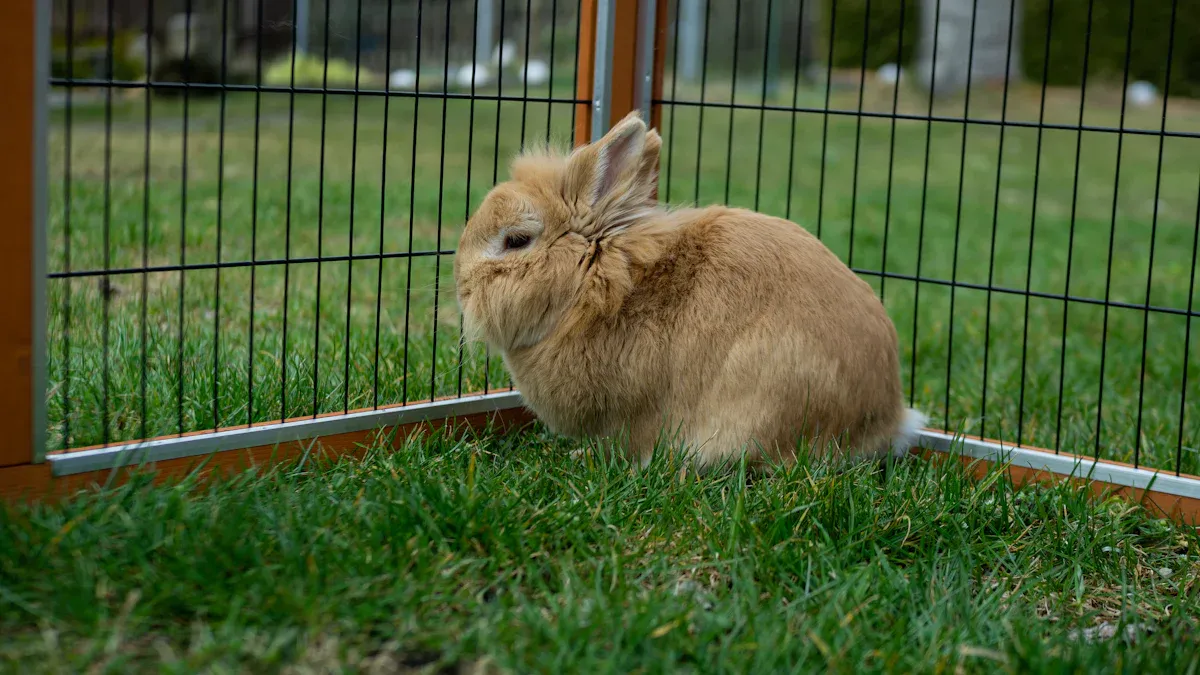
If you’ve ever tried to protect your garden from rabbits, you know how tricky it can be! These little creatures can leap up to three to four feet high, making it essential to choose the right size fence. Most rabbits, like the Eastern Cottontail, can’t jump over a two-foot fence, so a well-placed barrier can save your plants from their munching.
Key Takeaways
Choose a fence at least 24 inches high to effectively keep rabbits out of your garden.
Bury the fence 20 inches deep to prevent rabbits from digging underneath.
Regularly inspect your fence at least twice a year to maintain its effectiveness against rabbits.
Fence Height and Dimensions
When it comes to keeping rabbits out of your garden, the height of your fence plays a crucial role. Different rabbit species have varying jumping abilities, so understanding these differences can help you choose the right size fence.
Standard Height Recommendations
Wildlife experts suggest that a fence should be at least 26 inches tall to effectively keep general rabbits at bay. Here’s a quick look at the recommended heights for specific rabbit types:
Fence Height | Rabbit Type |
|---|---|
2 feet | Cottontail rabbits |
3 feet | Jackrabbits |
Cottontail rabbits typically can’t jump over a two-foot fence, while jackrabbits may require a taller barrier of about three feet. If you’re in an area with a high rabbit population, consider going even higher to ensure your garden stays safe.
Tip: Many gardeners make the mistake of underestimating fence height. A fence that’s too low can easily become a rabbit’s playground!
Cottontail vs. Jackrabbit Needs
Regional differences in rabbit species can affect your choice of fence size and material. For instance, a study found that a 180 cm (about 5.9 feet) high wire netting fence with a foot apron and a curved overhang is effective in containing various rabbit species. This suggests that if you live in an area with jackrabbits, you might need a more robust fence than if you’re dealing with cottontails.
Here are some common mistakes to avoid when selecting fence height:
The fence should be at least 2 feet tall to prevent rabbits from jumping over.
Adding a small overhang or angling the top of the fence outward can deter climbing.
Regular inspections for damage or gaps are essential for maintaining effectiveness.
By understanding the specific needs of the rabbits in your area, you can choose a size fence that not only keeps them out but also protects your precious plants.
Size Fence Materials and Types
When it comes to choosing the right materials for your fence, you have several options. Each type has its pros and cons, so let’s break down the most popular choices.
Chicken Wire vs. Electric Fencing
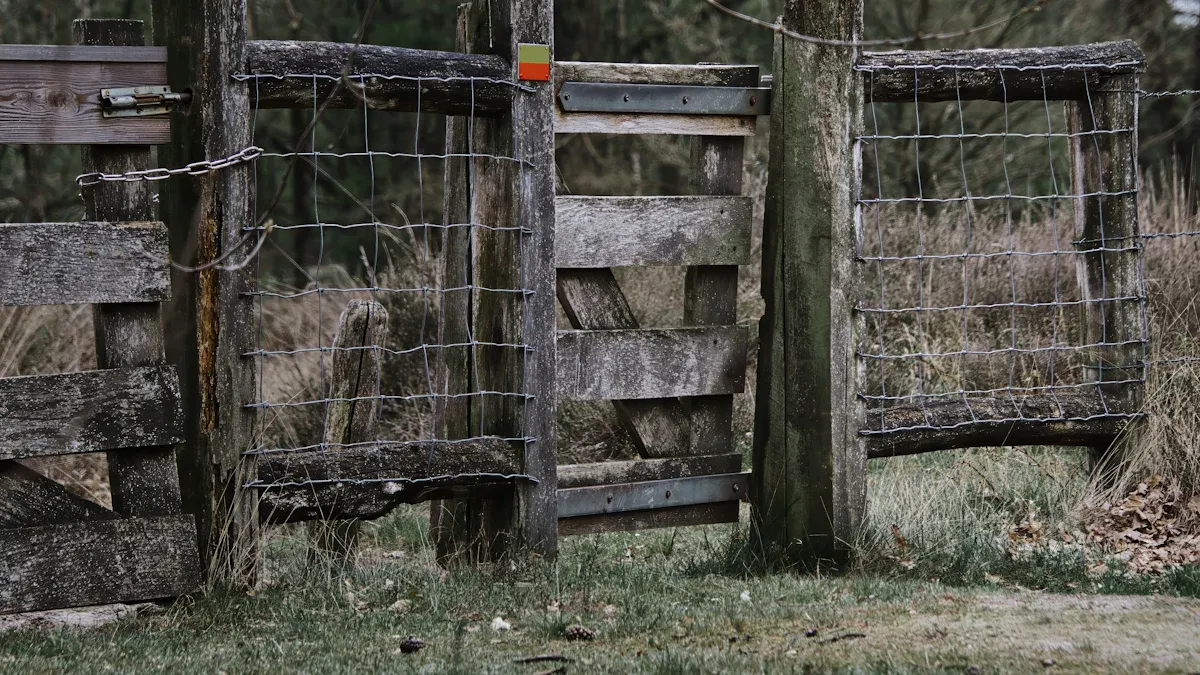
Chicken wire is a common choice for many gardeners. It’s affordable and easy to install. However, it has its limitations. The mesh size is often too large, allowing smaller rabbits to squeeze through. If you decide to go with chicken wire, make sure to use a 14-gauge thickness for better durability.
On the other hand, electric fencing offers a more robust solution. It can deter even the most determined rabbits. Electric fences create a psychological barrier, as rabbits learn quickly to avoid areas with a shock. However, you need to consider the environmental impact. Electric fencing can disrupt local wildlife, preventing them from accessing food and water. This can lead to habitat fragmentation, which is a significant concern for biodiversity.
Here’s a quick comparison of the two:
Feature | Chicken Wire | Electric Fencing |
|---|---|---|
Cost | Lower | Higher initial cost |
Installation | Easy | Requires more effort |
Effectiveness | Good for larger rabbits | Excellent for all sizes |
Environmental Impact | Minimal | Potentially harmful |
Other Material Options
If you’re looking for alternatives, consider these materials:
Shade cloth
Silt fencing
Plastic mesh
Hardware cloth
Polythene
Woven mesh
These materials can be effective in keeping rabbits out, especially when constructed without gaps at the base. Hardware cloth and woven mesh are particularly strong options. They create a solid barrier that rabbits cannot penetrate.
For optimal effectiveness, pay attention to the mesh size and wire thickness. Here’s a quick reference table for recommended sizes:
Component | Recommended Size |
|---|---|
Wire Thickness | 14-gauge |
Flooring Mesh Size | 1/2″ x 1″ |
Side/Top Mesh Size | 1″ x 1″ or 1″ x 2″ |
Choosing the right size fence and material is crucial for protecting your garden from rabbits. By understanding your options, you can make an informed decision that suits your needs.
Enhancing Fence Effectiveness
To keep your garden safe from rabbits, you need to enhance the effectiveness of your fence. One of the best ways to do this is by burying the fence.
Burying the Fence
Burying your fence is crucial for preventing rabbits from digging underneath. You should bury the fence at least 20 inches deep. If your soil is sandy, consider going deeper. To further deter digging, use netting that extends outward at a 90-degree angle from the base of the fence. This simple addition can make a big difference in keeping those pesky rabbits out!
Tip: A well-buried fence not only protects your garden but also saves you time and effort in the long run.
Regular Maintenance Tips
Regular maintenance is key to ensuring your fence remains effective. Here are some tips to keep in mind:
Conduct regular inspections to spot any damage from weather, pests, or physical impacts.
Check for rust on metal fences, rot in wooden structures, or tears in mesh materials.
Choose durable materials like galvanized steel or aluminum that can withstand environmental conditions.
You should inspect your fence at least twice a year. This helps you identify weak spots and make necessary repairs. Remember, a little upkeep goes a long way in maintaining a strong barrier against rabbits!
By burying your fence properly and keeping up with maintenance, you can create a reliable defense for your garden.
In summary, choosing the right fence size is crucial for keeping rabbits out of your garden. Here are some key takeaways:
A fence should be at least 24 inches high for effective protection.
Use materials like welded wire or chain link for durability.
Consider burying the fence 20 inches deep to prevent digging.
Check out this table for more insights on fence effectiveness:
Mesh Size (mm) | Effectiveness in Excluding Juvenile Rabbits | Additional Notes |
|---|---|---|
30 | Effective; no breaches over five years | Required a 30 cm foot apron to prevent digging |
37 | Not specifically tested | N/A |
40 | Inadequate; juvenile rabbits escaped easily | Could pull some juvenile rabbits through this size |
By following these guidelines, you can create a reliable barrier that protects your plants from hungry rabbits! 🐇🌱
FAQ
What type of fence is best for keeping rabbits out?
A sturdy fence made of welded wire or hardware cloth works best. Ensure it’s at least 24 inches tall and buried 20 inches deep.
How often should I check my fence for damage?
Inspect your fence at least twice a year. Regular checks help you spot any damage and maintain its effectiveness against rabbits.
Can I use a garden netting instead of a fence?
Garden netting can deter rabbits, but it’s less effective than a solid fence. Consider using it as an additional layer of protection.
