



Humidity refers to the amount of moisture in the air. For dogs, high humidity can pose serious health risks. It affects their ability to cool down, increasing the chance of overheating. Pet owners must monitor humidity levels closely. In regions with high humidity, veterinarians see a rise in skin issues, like fungal infections. So, what humidity is too high for dogs? This question is vital for keeping your furry friend safe and healthy.
Key Takeaways
Monitor humidity levels closely. High humidity can hinder your dog’s ability to cool down, increasing the risk of overheating.
Schedule outdoor activities during cooler parts of the day. Walk your dog in the early morning or late evening to avoid peak heat.
Keep your dog hydrated. Always provide fresh water, especially during outdoor activities, to prevent overheating and dehydration.
Recognize signs of discomfort. Look for excessive panting, lethargy, and difficulty breathing to identify if your dog is overheating.
Provide shade and cooling gear. Ensure your dog has access to shaded areas and consider using cooling vests or mats to help regulate their temperature.
Humidity Effects on Dogs
What is Humidity?
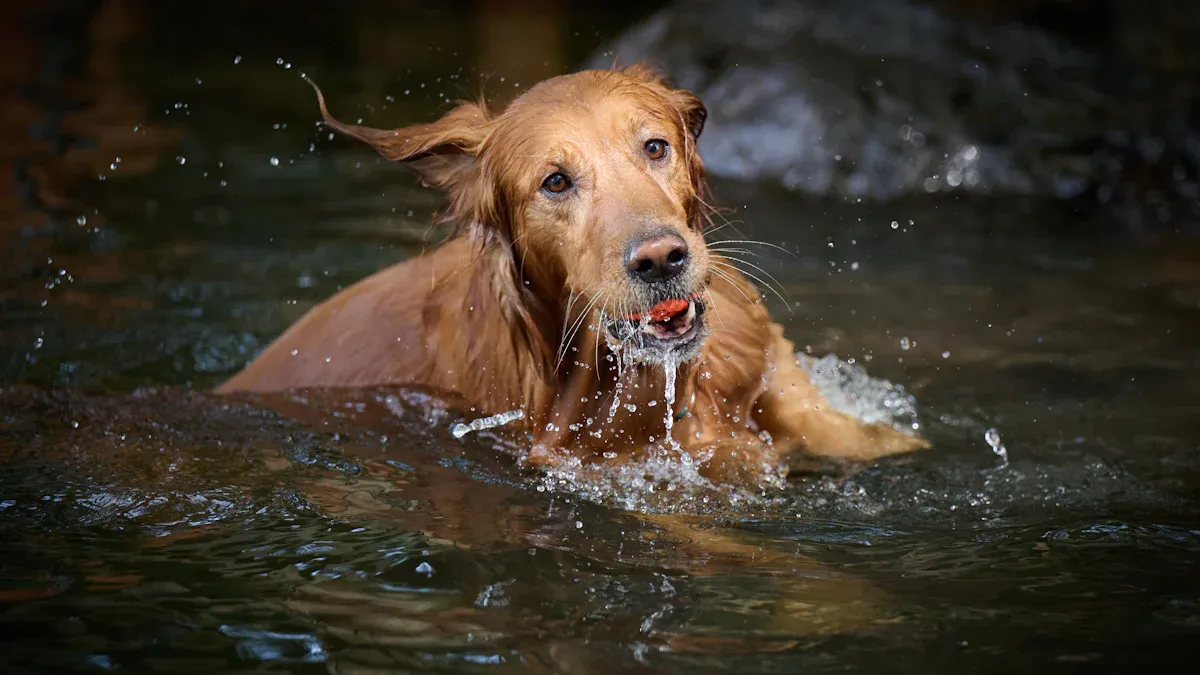
Humidity measures the amount of moisture in the air. It plays a crucial role in how dogs regulate their body temperature. Unlike humans, dogs primarily cool themselves through panting. When humidity levels rise, this natural cooling mechanism becomes less effective. High humidity can hinder the evaporation of moisture from a dog’s tongue and respiratory tract. As a result, dogs struggle to cool down, increasing their risk of overheating.
How Humidity Affects Cooling
When humidity is too high, it can significantly impact a dog’s ability to cool down. Here are some key points to consider:
Reduced Evaporation: High humidity levels limit the evaporation process, which is essential for cooling. When humidity exceeds 35%, the effectiveness of heat loss through evaporation diminishes. At around 80% humidity, panting becomes ineffective as a cooling mechanism.
Increased Risk of Heat Stroke: Dogs are particularly susceptible to heat-related illnesses in humid conditions. A study highlights that heat strokes are linked to humid environments and excessive physical activity. Dogs can show increased body temperature even the day after exertion, indicating prolonged effects of high humidity on their body temperature regulation.
The combination of high temperature and humidity poses a significant risk to dogs. They may experience dehydration, which can lead to serious health issues. Signs of dehydration include excessive panting, drooling, and lethargy. If you notice these symptoms, it is crucial to take immediate action to cool your dog down.
In addition to the immediate risks, high humidity can lead to long-term health issues. Dogs exposed to humid conditions may develop skin infections due to increased moisture. Fungal and bacterial growth thrives in such environments, leading to conditions like Malassezia dermatitis. Regular visits to the veterinarian for skin-related issues often increase during humid months.
Understanding how humidity affects your dog is vital for their health. By monitoring humidity levels and recognizing the signs of discomfort, you can help keep your furry friend safe and comfortable.
Signs of Discomfort in Dogs
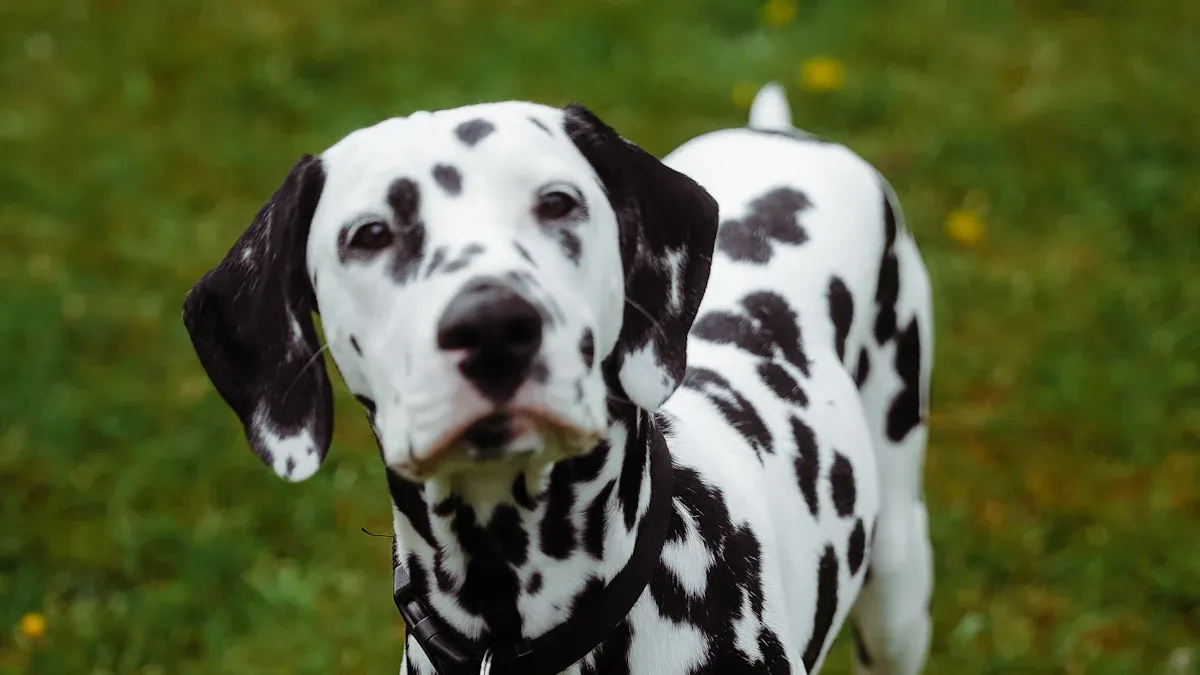
Recognizing the signs of discomfort in your dog during high humidity is crucial for their well-being. Dogs may exhibit various physical symptoms and behavioral changes when they struggle with heat and humidity.
Physical Symptoms
When humidity levels rise, you should watch for these physical symptoms that indicate your dog may be overheating:
Excessive panting
Fatigue
Fast heart rate
Dry or sticky gums
Dark red or purple gums or tongue
Stumbling or seeming dizzy
Vomiting
Difficulty breathing
Seizures
Collapse
Dark or red urine
Black diarrhea
These signs can indicate that your dog is experiencing heat stress or even heat stroke. If you notice any of these symptoms, it is essential to take immediate action to cool your dog down.
In addition to these symptoms, you may also observe signs of dehydration, such as:
Excessive drooling
Fever
Bright red, gray, purple, or bluish gums
Lack of urine
Rapid pulse
Muscle tremors
Lethargy or weakness
Vomiting or diarrhea
Dizziness
If your dog shows any of these signs, it is vital to monitor the signs of heat stroke closely and seek veterinary assistance if necessary.
Behavioral Changes
High humidity can also lead to noticeable behavioral changes in your dog. Look for these signs:
Overheating or heatstroke, especially in breeds with thick coats or flat faces (like Bulldogs or Pugs)
Increased respiratory stress
Lethargy and reduced activity
Excessive drooling
Bright red gums and sticky saliva
Signs of dehydration, such as a dry nose and sunken eyes
Elevated body temperature (above 103°F)
Vomiting or diarrhea
Muscle tremors
Weakness, stumbling, or collapse
Brachycephalic breeds, like Pugs and Bulldogs, face unique challenges in high humidity. Their restricted ability to thermoregulate makes them particularly susceptible to heatstroke, even in mild conditions.
Sudden weather changes can also affect your dog’s mood and behavior. Some dogs may become anxious or aggressive when humidity spikes or drops suddenly.
By being aware of these signs, you can take proactive steps to ensure your dog remains comfortable and safe during humid conditions.
Optimal Humidity Levels for Dogs
Safe Humidity Range
According to veterinary guidelines, the safe humidity range for dogs lies between 40% and 60%. This range helps maintain your dog’s comfort and health. For neonatal puppies, a slightly higher humidity level of 55% to 70% is recommended, but always consult your veterinarian for guidance. Keeping humidity within this range can prevent overheating and reduce the risk of skin infections that thrive in moist environments.
How Hot is Too Hot for Dogs?
Understanding how humidity levels relate to temperature is crucial for your dog’s safety. Here are some key points to consider:
A dog’s normal body temperature ranges from 100 to 102.5 degrees Fahrenheit.
Heatstroke occurs when their temperature reaches between 104.9 and 109.4 degrees.
You should take immediate cooling measures when a dog’s temperature exceeds 103 degrees to prevent organ failure.
High humidity exacerbates the dangers of high temperatures. When humidity levels rise, dogs struggle to cool down effectively. They lack the same self-cooling mechanisms as humans, making them more vulnerable in humid conditions.
Hyperthermia occurs when a dog’s core temperature rises above 102-103°F.
An apparent temperature of 105°F can occur at 90°F with 70% humidity.
A heat index of 130°F or higher makes heat stroke extremely likely.
Monitoring both humidity and temperature is crucial for pets prone to overheating. If you notice your dog showing signs of distress, such as excessive panting or lethargy, take action immediately. Keeping your dog hydrated and providing shade can help mitigate the risks associated with high humidity and high temperatures.
Managing High Humidity Risks
Keeping Dogs Cool
Keeping your dog cool during high humidity is essential for their health and comfort. Here are some effective methods to help you manage the heat:
Hydration: Always provide fresh water for your dog to drink, especially during outdoor activities. Hydration is key to preventing overheating.
Avoid Peak Heat Hours: Schedule walks for early morning or late evening. This helps you avoid the hottest parts of the day.
Provide Shade: Ensure your dog has access to shaded areas when outside. This can significantly reduce their body temperature.
Use Cooling Gear: Consider using cooling vests or mats. These products help regulate your dog’s temperature and keep them comfortable.
Monitor for Overheating: Keep an eye out for signs of heat stress, such as excessive panting or lethargy. If you notice these symptoms, take action to cool down your dog.
Additionally, check pavement temperatures to prevent paw burns. If your dog shows signs of overheating, bring them inside to a cooler environment. Using air conditioning can also help keep your dog comfortable indoors.
When to Avoid Outdoor Activities
Knowing when it is too hot to walk a dog is crucial for their safety. Here are some guidelines to follow:
If the temperature exceeds 70°F, especially with high humidity, limit outdoor activities.
For temperatures between 80°F and 90°F, allow only short walks for bathroom breaks.
If temperatures are above 90°F, keep outdoor time to a minimum, just enough for bathroom needs.
The safe temperature range for dogs is between 68°F (20°C) and 86°F (30°C). Above 90°F (32°C), dogs should remain indoors. If temperatures exceed 85°F with high humidity, significantly limit outdoor time. Brachycephalic breeds, like Bulldogs and Pugs, should avoid outdoor activities when temperatures exceed 80°F.
By following these tips, you can help ensure your dog stays safe and comfortable during high humidity. Always prioritize their well-being and adjust your routines accordingly.
In summary, high humidity can significantly affect your dog’s health. Recognizing the signs of heat distress is essential. Ensure your dog has access to shade and plenty of fresh water during summer activities. Here are some key takeaways:
Monitor humidity levels closely to prevent overheating.
Schedule walks during cooler parts of the day.
Keep your dog hydrated and provide a cool resting place.
By taking these proactive steps, you can help keep your dog comfortable and safe in humid conditions. Your vigilance plays a crucial role in their overall well-being.
FAQ
What should I do if my dog shows signs of overheating?
If your dog shows signs of overheating, move them to a cooler area immediately. Offer fresh water and apply cool, wet cloths to their body. Monitor their condition closely and seek veterinary help if symptoms persist.
How can I tell if the humidity is too high for my dog?
You can tell if humidity is too high for your dog by observing their behavior. Signs include excessive panting, lethargy, and difficulty breathing. If you notice these symptoms, keep your dog indoors and provide plenty of water.
Are certain dog breeds more affected by high humidity?
Yes, brachycephalic breeds like Bulldogs and Pugs are more affected by high humidity. Their short snouts make it harder for them to cool down. Always monitor these breeds closely during humid weather.
How can I keep my dog comfortable in high humidity?
To keep your dog comfortable in high humidity, provide plenty of fresh water, avoid outdoor activities during peak heat, and ensure they have access to shade. Consider using cooling mats or vests for added comfort.
What is the ideal temperature and humidity for dogs?
The ideal temperature for dogs is between 68°F and 86°F, with humidity levels between 40% and 60%. Staying within this range helps prevent overheating and keeps your dog healthy.
