


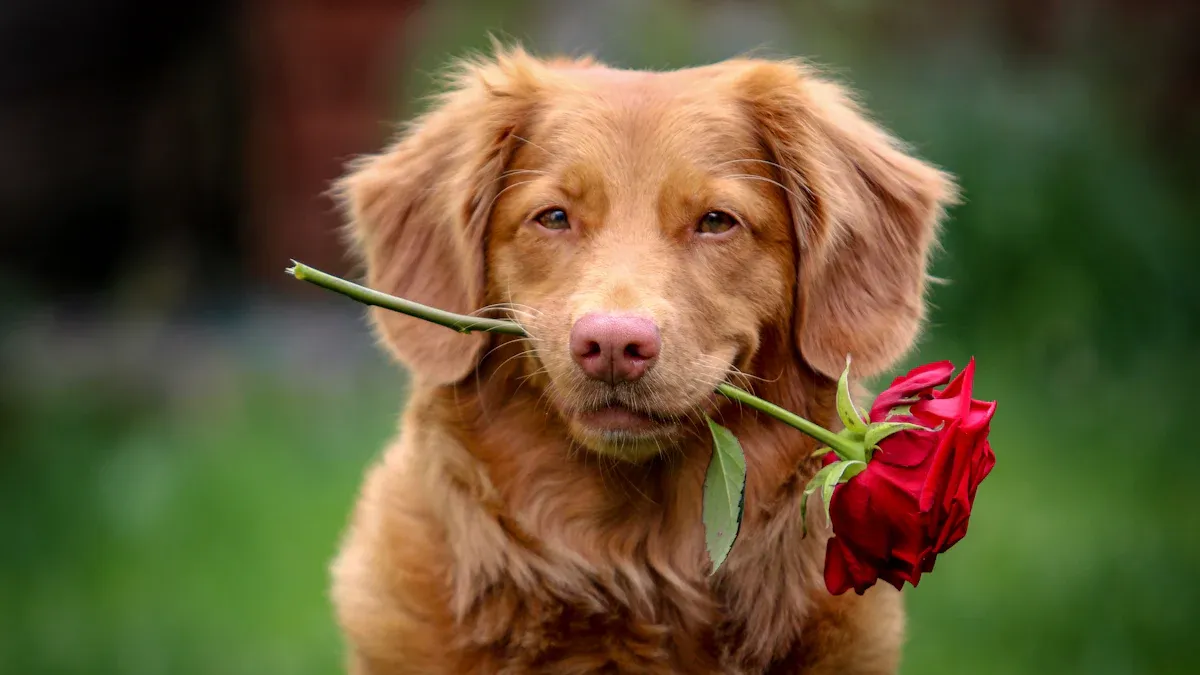
You will discover Red Golden Retriever puppies are truly captivating. They represent a distinct variation within the beloved Golden Retriever breed. These puppies showcase striking deep red coats and often possess a more athletic build compared to standard Golden Retrievers. This guide offers comprehensive information on their care and unique traits. You will understand how to help your Golden Retriever thrive. Knowing their specific needs ensures these Golden Retrievers become cherished family members. The popularity of this type of Golden Retriever continues to grow, making understanding these Golden Retrievers essential.
Understanding Red Golden Retriever Color
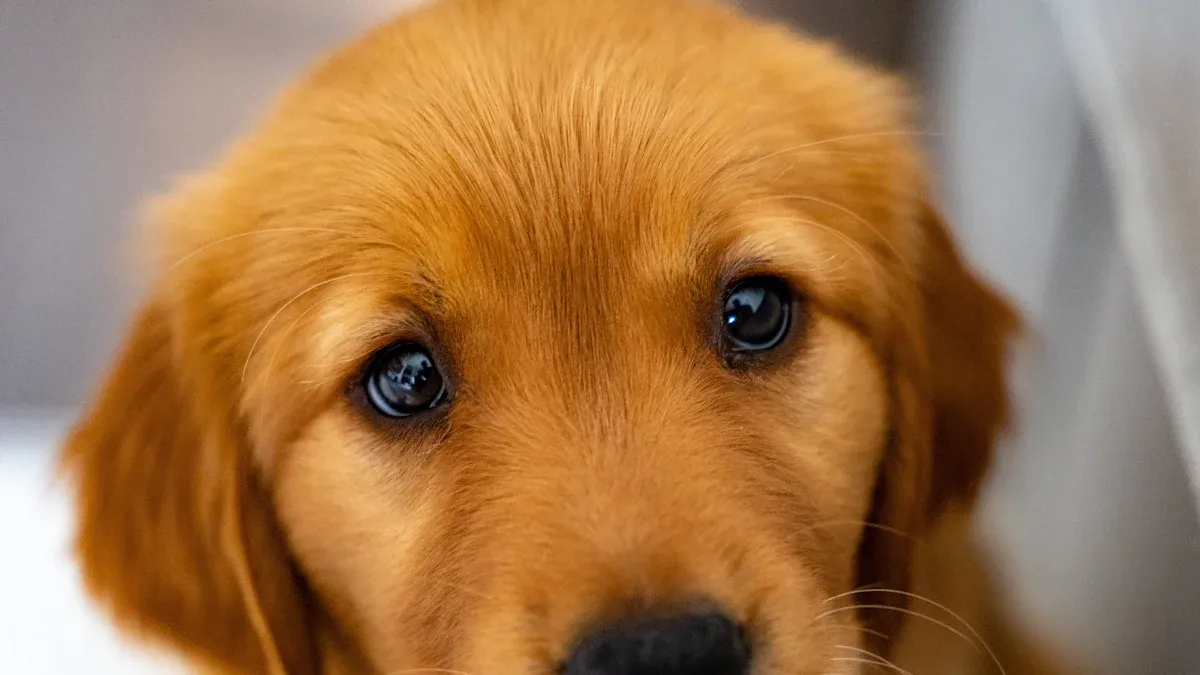
You might wonder what makes a Red Golden Retriever’s coat so distinct. The answer lies in their genetics. Understanding these genetic factors helps you appreciate their unique appearance.
Genetics Behind the Red Coat
The deep red color you see in these golden retrievers comes from specific genetic markers. The E (Extension) Locus, involving the MC1R gene, plays a crucial role. When a golden retriever has an ‘ee’ genotype, it produces red hairs across its entire body. This means the dog cannot produce dark hairs. The actual shade can range from a deep copper to a lighter red. Other genetic factors influence this shade. The I (Intensity) Loci also affect the coat color. These loci control the concentration of red pigment, called phaeomelanin, in the coat. Dogs with more densely concentrated pigment will show a deeper red color. Less concentrated pigment results in lighter shades like tan or cream. Five locations in the dog genome account for about 70% of the variation in red pigmentation intensity. The recessive ‘e’ alleles (e1, e2, e3) are responsible for solid red coat coloring. When two copies of these recessive ‘e’ alleles are present, they create a red coat. Phaeomelanin is the pigment responsible for red, cream, and yellow colors in dogs. Specific genes control the intensity of this pigment.
Red vs. Standard Golden Retrievers
You will notice clear visual differences between red golden retrievers and standard golden retrievers. Red golden retrievers have a striking, deep red coat. They often possess a more athletic build. Standard golden retrievers typically display lighter, golden-colored coats. Despite these differences, both are members of the same golden retriever breed. They share many core characteristics.
Are They a Separate Breed?
No, Red Golden Retrievers are not a separate breed. They are a color variation within the established golden retriever breed. You should understand this important distinction. They possess all the wonderful traits and characteristics of any golden retriever. Their vibrant coat color simply makes them stand out. They are still very much a golden retriever.
Red Golden Retriever Puppy Temperament & Personality
You will find red golden retriever puppies possess an incredibly affectionate, intelligent, and playful nature. Their friendliness and outgoing personality make them wonderful additions to many homes. They often show gentleness with children and other pets. These dogs are known for their sensitivity and loyalty, and their eagerness to please makes them highly trainable. Understanding their unique temperament and personality traits helps you raise a well-adjusted companion.
Energy Levels and Exercise Needs
Red golden retriever puppies typically have high energy levels. You will notice their strong drive to work and play. These golden retrievers, especially those from field lines, benefit significantly from tasks and daily exercise. They need active engagement to thrive. American golden retrievers also exhibit high energy. They are playful and athletic, requiring ample space for running. Their high energy can sometimes lead to issues like separation anxiety or destructive behavior if you do not manage it properly. In contrast, English golden retrievers are generally calmer and more laid-back. While they still need activity, their energy levels are lower. This makes them potentially more suitable for a slightly less active home environment.
You must manage your red golden retriever puppy’s exercise carefully. Golden retriever puppies require five minutes of exercise for every month they have been alive, twice a day. For instance, a five-month-old puppy needs two separate 25-minute exercise sessions daily. These structured sessions are in addition to their regular daily play activities. It is crucial to avoid exceeding these recommended limits. Over-exertion can prevent joint damage and stunted growth. Puppies are susceptible to injury from too much activity. Their growing plates and joints are vulnerable. Too much exercise can lead to injury, stunt proper growth, and cause serious health problems later in life. Therefore, you must adhere to recommended exercise limits to ensure healthy development. This careful approach supports their overall temperament and well-being.
Intelligence and Trainability
Red golden retriever puppies are highly intelligent. Their eagerness to please makes them very trainable. You can leverage their natural drive and eagerness to learn by establishing consistent routines. These routines should cover feeding, naps, play, and obedience training. This builds confidence and helps them understand expectations. Focus on obedience commands to foster communication and trust. Use positive reinforcement and food rewards as strong motivators. Their intelligence and willingness to learn make them excellent candidates for various roles. Many golden retrievers excel as therapy or guide dogs due to their remarkable temperament and traits.
You should teach your golden retriever how to greet new people and dogs. Their friendly but potentially excitable nature requires proper socialization. This prevents unwanted behaviors like jumping or lunging. Work on calm greetings during socialization sessions. To manage their high energy, incorporate exercises that teach calmness in everyday situations. Examples include making them wait for food or at thresholds. During play like fetch, keep sessions short. Include pauses to bring their energy down. Have them drop the toy and settle before retrieving again. You must also teach them to walk nicely on a leash. Address their tendency to pull due to excitement and their social nature. Focus on proper leash manners. This includes training them to walk in a ‘Heel’ position and to pass others without lunging, jumping, or excessive vocalization.
Socialization and Family Compatibility
Red golden retriever puppies possess an outgoing personality. They form strong bonds with their human families. Their affectionate nature makes them wonderful companions. They are known for their gentleness with children and other pets. Early and consistent socialization is key. This helps them develop into well-rounded adults. Introduce them to various sights, sounds, people, and other animals from a young age. This builds their confidence and enhances their friendly temperament. Their sociability means they thrive on interaction. They do not do well when left alone for long periods. Their sensitive nature means they respond best to positive reinforcement. Harsh training methods can damage their trust.
Common Behavioral Tendencies
You will find red golden retriever puppies are eager to please. This trait makes them highly responsive to training. They want to make you happy. This contributes to their excellent temperament. However, their strong bonds and affectionate nature mean they can develop separation anxiety if left alone too often. This can lead to destructive behaviors. Provide them with plenty of mental and physical stimulation. This helps prevent boredom and anxiety. Their loyalty is unwavering. They become loyal and loving family members. These engaging companions will bring immense joy to your home. Their playful traits ensure there is never a dull moment. Their need for companionship means they thrive in active households where they receive plenty of attention.
Caring for Red Golden Retriever Puppies
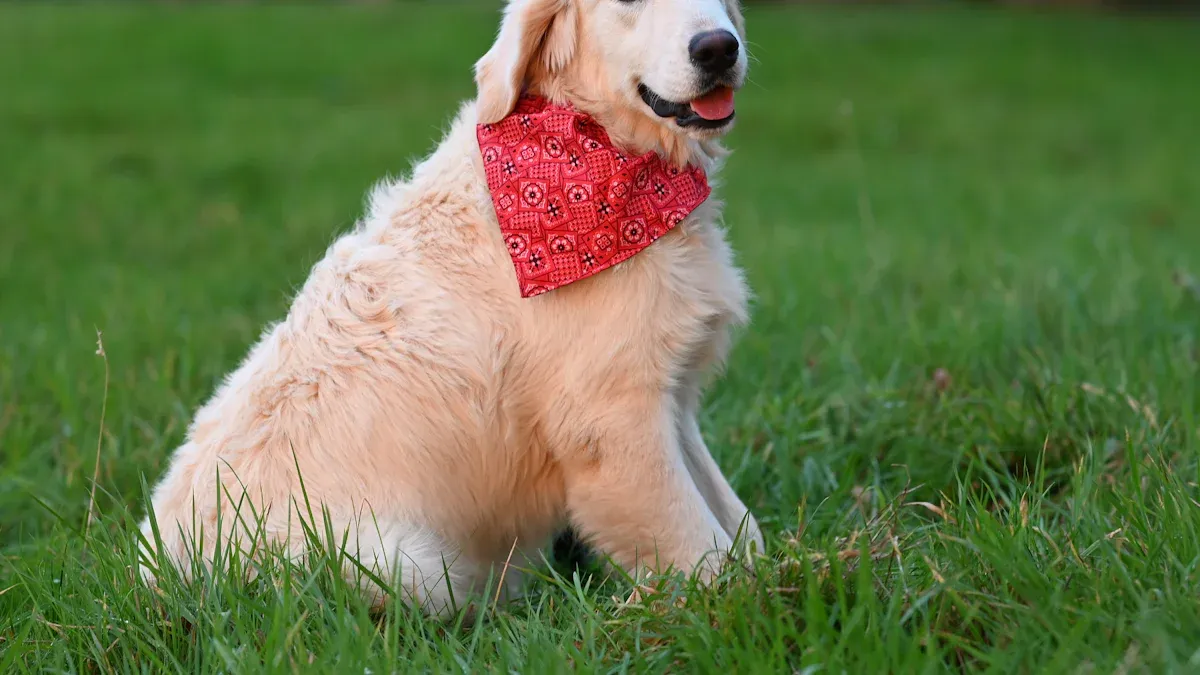
You will find red golden retriever puppies thrive in active homes. They need love and a consistent routine. Early and consistent socialization and training are very important. These prepare them for a well-mannered adulthood. You must understand their specific needs to ensure your golden retriever grows into a happy, healthy companion.
Nutrition Best Practices
Feeding your red golden retriever puppy correctly is crucial for their growth. A balanced diet supports their development. Your puppy needs protein for muscle growth. Fats provide energy and help brain development. Carbohydrates are important for active puppies. Essential vitamins and minerals boost their immune system and overall health. Calcium is vital for strong bones. Omega-3 fatty acids support brain development and a healthy coat.
Caloric needs change based on your puppy’s age, size, and activity level. A veterinarian can give you tailored guidance. You should monitor your puppy’s weight. Adjust food portions as needed. The following table gives general guidelines for food amounts:
| Age | Weight (lbs) | Amount of Food (Cups) |
|---|---|---|
| 8 weeks | 10-20 | 1-2 |
| 3-4 months | 20-30 | 2-3 |
| 5-7 months | 30-45 | 3-4 |
| 8-12 months | 45-70 | 4-6 |
You also need to consider how often you feed your puppy. Young puppies eat more frequently.
| Age | Meal Frequency |
|---|---|
| Under 6 months | 3-4 meals a day |
| 6 months and older | 2 meals a day |
To ensure proper feeding, follow these steps:
- Start with a baseline: Consult the feeding chart and guidelines from your veterinarian or the dog food manufacturer. This helps you determine the daily portion size. Base it on your puppy’s age, weight, and activity level.
- Use a measuring cup: Invest in measuring cups made for pet food. This ensures accurate portioning.
- Follow the recommendations: Measure the correct amount of food. This prevents overfeeding or underfeeding your golden retriever.
- Divide meals into portions: Split the daily food intake into smaller meals. This prevents digestive issues and keeps your puppy satisfied.
Your red golden retriever puppy needs specific nutrients for healthy development.
- Amino acids: Both essential and non-essential amino acids are vital. They support healthy functioning and development.
- Minerals:
- Macro-elements: Calcium, phosphorus, and potassium are crucial. They help bone growth, nerve impulses, and muscle metabolism.
- Trace elements: Iron, copper, and manganese contribute to healthy skin, bones, blood, and coat.
- Vitamins: These are essential for immune and cognitive function. They help cell repair, reduce inflammation, and aid fat metabolism. Water-soluble B vitamins, like thiamin and riboflavin, are especially important daily. Your puppy does not store them easily.
- Water: Your puppy gets water mainly from drinking. They also get it from food and metabolic processes.
A high-quality diet for your golden retriever should include:
- Protein: Aim for approximately 30%. Source it from high-quality meat and fish.
- Healthy fatty acids: Omega-3 and Omega-6 are beneficial. They reduce shedding and make the coat shine.
- Calcium and phosphorus: Provide these in adequate levels. Glucosamine and chondroitin also support joint health.
- Carbohydrates: Healthy levels provide energy.
Grooming Specific Needs
Grooming and coat maintenance are essential for your red golden retriever. Their beautiful coat needs regular attention. This prevents mats and keeps their skin healthy.
You will need several tools for effective grooming:
- Brushes and Combs:
- A soft bristle brush or grooming mitt works well for puppies.
- A slicker brush removes loose hair and tangles.
- An undercoat rake helps with their dense undercoat and prevents mats.
- A bristle brush gives a smooth, finished look.
- A metal comb with medium and wide teeth is also useful.
- Nail Care:
- Nail clippers or a nail grinder of the appropriate size are necessary.
- Trimming:
- Grooming scissors help with delicate areas. These include ears, feet, and other spots needing precision.
- Shampoos and Conditioners:
- Use a dog-specific, hypoallergenic, gentle shampoo.
- A leave-in conditioner helps with detangling, moisturizing, and shine.
Regular brushing is vital for your golden retriever. It removes loose hair from both the topcoat and undercoat. This prevents matting and tangling. Mats can pull on the skin and trap moisture. Brushing also spreads natural skin oils. This moisturizes the skin and hair. It removes surface dirt and allergens. Brushing stimulates blood circulation and helps you find skin issues early.
Here are some brushing guidelines:
- Brushing: Brush at least once weekly to keep fur soft, healthy, and mat-free. During shedding season (spring and fall), daily brushing is necessary. This is because of increased shedding and matting risk.
- Bathing: Bathe your puppy monthly, or whenever they are dirty. Frequency can change based on their lifestyle. Some dogs need more frequent baths, others less.
For puppies, start grooming early:
- Brushing:
- Puppies (8 weeks old): Begin with gentle, short sessions (5-10 minutes). This helps with socialization.
- Adults: Daily brushing is best. Brush at least 3-4 times per week during low-shedding periods. During spring and fall shedding seasons, daily brushing for 10-15 minutes is essential. Focus on areas prone to matting. These include behind the ears, under the legs, and around the tail.
- Bathing:
- Puppies: Give the first bath around 12-16 weeks. This is after their initial vaccinations.
- Adults: Generally, bathe every 6-8 weeks. Active dogs might need bathing every 4-6 weeks. Less active indoor dogs might go 10-12 weeks. Always use dog-specific shampoo. Ensure thorough rinsing and drying. This prevents skin issues. Bathing too often can strip natural oils. This leads to dryness and irritation. Too little bathing can cause dirt and oil buildup. This also leads to skin problems.
When you bathe your puppy:
- Use lukewarm water.
- Apply dog shampoo from neck to tail. Avoid their face.
- Rinse thoroughly. This prevents residue irritation.
- Pat dry with a towel. Then use a blow dryer on low heat or a pet dryer if they tolerate it.
You can trim fur around the ears, paws, and tail. Use grooming scissors or thinning shears for a neat look. Remove mats between their toes and paw pads. For nail trimming, gently hold the paw. Identify the quick. Trim small bits at a time, especially with dark nails. Check their ears weekly. Clean them after swimming or muddy activities. Use dog-specific ear solution and cotton pads. Never use cotton swabs. Gently wipe visible areas.
Exercise and Mental Stimulation
Red golden retriever puppies have high energy. They need plenty of physical activity. They also need mental stimulation. This prevents boredom and destructive behaviors. Mental fatigue from solving puzzles and challenges makes for a calmer, more satisfied pup. Regular mental challenges reduce anxiety. They improve sleep and focus during training. They can also decrease dementia-like symptoms in senior years. Consistency is key. Brief daily mental challenges are more beneficial than occasional long sessions. Even five-minute brain games significantly impact a dog’s mental well-being.
You can incorporate various activities:
- Interactive Toys: These toys require critical thinking. They keep puppies occupied. They distract from anxiety. They mentally exhaust your puppy. They often provide a food reward and dopamine release.
- Frozen Treats: These are perfect for year-round mental stimulation. They require licking until they melt. This provides entertainment. Try pupsicle recipes or plain frozen fruits and veggies like carrots.
- Scatter Feeding: Hide portions of dry food around the house or yard. Then release your dog to find it. This engages their nose work.
- Snuffle Mats: These mats have ruffles and pockets. Hide food in them. Your dog uses their nose to sniff it out.
- Practice Training: Even 5-15 minutes of daily training can be mentally stimulating and exhausting. Teach new tricks. This builds a bond with you. It makes your golden retriever feel more secure.
- Rotate Toys: Keep only a few toys out at a time. Rotate them regularly. This maintains novelty and prevents boredom. Old toys feel new again.
Here are more ideas for mental stimulation:
- New Tricks: Dedicate five minutes to teaching a new command or trick. Learning new skills is excellent brain exercise.
- Obstacle Course: Use household items like pillows, chairs, and boxes. Create a simple indoor obstacle course. Guide your dog through with treats. Teach them to navigate over, under, and around objects.
- Scent Challenge: Let your dog sniff a favorite toy. Then hide it while they are in another room. Encourage them to “find it” using their incredible sense of smell.
- Snuffle Toys: Hide treats in a snuffle toy. This engages problem-solving skills. It reinforces positive associations.
- Teaching Toy Names: For dogs who love to chase, teach them the names of specific toys. This turns fetch into a cognitive exercise.
- Puzzle Feeders: For food-motivated dogs, these make them work for their kibble. They use their tongue and paws strategically.
- Treat Hunt: Hide treats around a room. Release your dog to find them. This encourages nose work.
When you introduce new toys or activities, start with simpler options. Gradually increase the challenge. If your dog is not interested, try higher-value treats. Incorporate mental stimulation into daily routines. Use puzzle feeders for mealtime. Scatter kibble for a ‘hunt.’ This transforms everyday moments into cognitive engagement opportunities. Daily exercise is also crucial. Combine physical activity with mental challenges. This ensures a well-rounded and happy golden retriever.
Health Considerations
Red golden retriever puppies are generally healthy. However, they can be prone to certain genetic conditions. You should be aware of these.
- Hip dysplasia: This is a genetic condition. The hip joint does not develop properly. It leads to misalignment, discomfort, arthritis, or lameness.
- Elbow dysplasia: This is a developmental abnormality. It affects the elbow joint. It can cause lameness, stiffness, or decreased range of motion. This includes conditions like Fragmented Coronoid Process (FCP), Osteochondritis Dissecans (OCD), and Ununited Anconeal Process (UAP).
Vaccinations are crucial preventative care measures for puppies. They help prevent contagious and potentially fatal diseases. Puppies initially get protection from their mother’s milk. This protection fades, making them vulnerable. Vaccinations stimulate the puppy’s immune system. They develop specific antibodies. Annual boosters maintain immunity against distemper, infectious hepatitis, and parvovirus. You must consult with a veterinarian. Establish a vaccination program tailored to your puppy’s needs. Consider factors like boarding, travel, and exposure risks.
Puppies require four core vaccinations by the time they are 4 months old. These protect against canine distemper, canine hepatitis, canine rabies, and canine parvovirus (CPV). These diseases are common regardless of breed, size, or location.
Here is a typical vaccination schedule:
| Age | Core Vaccines | Non-Core Vaccines |
|---|---|---|
| 6 to 8 weeks | DAP | Bordatella |
| 10 to 12 weeks | DAP | Canine influenza, Leptospirosis, Lyme |
| 14 to 16 weeks | DAP, Rabies (if not required earlier) | Canine influenza, Leptospirosis, Lyme |
| 1 year old | DAP/DHPP, Rabies | Boosters as recommended by vet |
| Every 1-3 years | DAP/DHPP, Rabies | Boosters as recommended by vet |
A regular vaccination schedule for puppies typically includes:
- 7 to 9 weeks: Distemper, infectious hepatitis, parvovirus (may start earlier in infected environments).
- 11 to 13 weeks: Booster for the three previous vaccinations, plus rabies and leptospirosis.
- 15 to 17 weeks: Rabies and leptospirosis boosters.
- 15 months: Boosters for all vaccines listed above.
For preventative care, deworming is crucial for puppies. Oral prescription dewormers should be given every two weeks. Start at 3 weeks of age. Once a puppy reaches 8 weeks, they can switch to a monthly heartworm preventative. This also includes a dewormer for intestinal worms. Regular dewormers do not cover all intestinal parasites. Additional fecal testing is highly recommended.
Training and Socialization
Training and socialization are vital for your red golden retriever puppy. They help them become well-adjusted adults. The critical socialization period for puppies is generally between 3 and 14 weeks of age. This timeframe is neurologically significant. Puppies’ brains are highly receptive to new experiences. They are naturally curious and less prone to fear. After about 14 weeks, dogs become more cautious. They are more suspicious of unfamiliar things. Failing to socialize a puppy adequately during this window can lead to fear-based behaviors, reactivity, and anxiety later. You must balance safety with creating positive associations during this period. This is especially true with vaccination schedules. The quality of interactions during socialization is more important than the quantity.
Here are key stages for socialization:
- Weeks 3-4 (Sensory Development): Puppies’ eyes and ears open. They begin interacting with littermates. They should stay with their mother and littermates. This provides early neurological stimulation and initial social interactions.
- Weeks 5-7 (Basic Social Skills): Puppies learn crucial bite inhibition from their mother and littermates. They start forming preferences and aversions. Puppies must stay with their mothers until at least 7-8 weeks. This helps them acquire fundamental social skills from other dogs.
- Week 8 (Transition Period): Puppies often move to new homes at this time. This is a significant transition. Puppies may be more cautious due to stress. Focus on helping them feel secure in their new home. Do not overwhelm them with new experiences.
- Week 9 (Curiosity Returns): Puppies typically regain their natural curiosity after settling in. This is a great time to begin controlled socialization activities. Their confidence usually returns. This increases the likelihood of positive experiences.
You can use various training tips to help your golden retriever. Their intelligence and eagerness to please make them highly trainable. Use positive reinforcement. Reward good behavior with treats and praise. Enroll in puppy classes. This provides structured socialization and training. Expose your puppy to different people, places, sounds, and other friendly dogs. This builds their confidence. Consistent training helps your golden retriever understand expectations. This leads to a happy and well-behaved companion.
Choosing a Reputable Red Golden Retriever Breeder
Finding the right breeder is crucial for a healthy and happy red golden retriever puppy. You want a breeder who prioritizes the well-being of their dogs.
What to Look For in a Breeder
A reputable breeder focuses on the health and welfare of their puppies. They provide comprehensive medical records. You can meet the puppy’s parents. A good breeder will ask you many questions about your home and lifestyle. This ensures their puppies go to safe environments. Their website should show a genetically true guarantee. They offer versatile training programs. You can view the parents at their sufficiently large facilities. They provide photos and videos of their dogs.
Look for reviews and testimonials. They demonstrate knowledge of the golden retriever breed. They provide a health guarantee and proof of pedigree. Standard documentation includes care instructions, registration papers, and vaccination records. They offer references from previous buyers. These should be contact information, not just written reviews. Ethical breeders limit female golden retrievers to four to six litters. They breed between the ages of two and eight.
Questions to Ask Potential Breeders
You should ask specific questions. Ask to see health clearances for the puppy’s parents. These documents prove screening for hip dysplasia and eye conditions. Inquire about their socialization practices. This helps you understand how they prepare puppies for interaction. Request to meet the puppy’s parents. This gives you insight into the puppy’s potential size, temperament, and health. Ask if the puppies have had any health problems. Inquire if the parents have been checked for inherited conditions. Ask for health certificates for both the mother and father. You can also ask about the puppy’s inbreeding coefficient. Highly inbred puppies can be more susceptible to genetic diseases.
Avoiding Puppy Mills
You must avoid puppy mills. A legitimate breeder will ask you questions about your suitability. Puppy mills only care about profit. They will not vet you. If a breeder only requires payment, this is a red flag. Responsible breeders often require a written agreement for spaying or neutering. They will not show you where they keep their dogs. Reputable breeders allow visits to their home or kennel. Their premises might consist of an industrial site. Legitimate breeders operate from home. No dog-parent is available for you to meet. This can mean early separation of puppies. The litter might be less than six weeks old. Puppies should not leave their mothers before 6-8 weeks. A breeder who always has puppies in stock is a red flag. Dogs are not machines. A constant supply suggests a puppy mill operation.
You now understand that red golden retriever puppies bring classic golden retriever charm. They have a distinctive, vibrant coat. You give proper care, consistent training, and understand their unique traits. These golden retrievers become wonderful, active, and loyal companions. Embrace the journey of raising a golden retriever puppy. You will find immense joy and unwavering loyalty. Owning one of these magnificent golden retrievers is a rewarding experience. These golden retrievers offer incredible companionship. Their wonderful traits make them cherished family members. You will love your golden retriever. A well-trained golden retriever shows amazing traits. Your golden retriever will thrive with good training.