


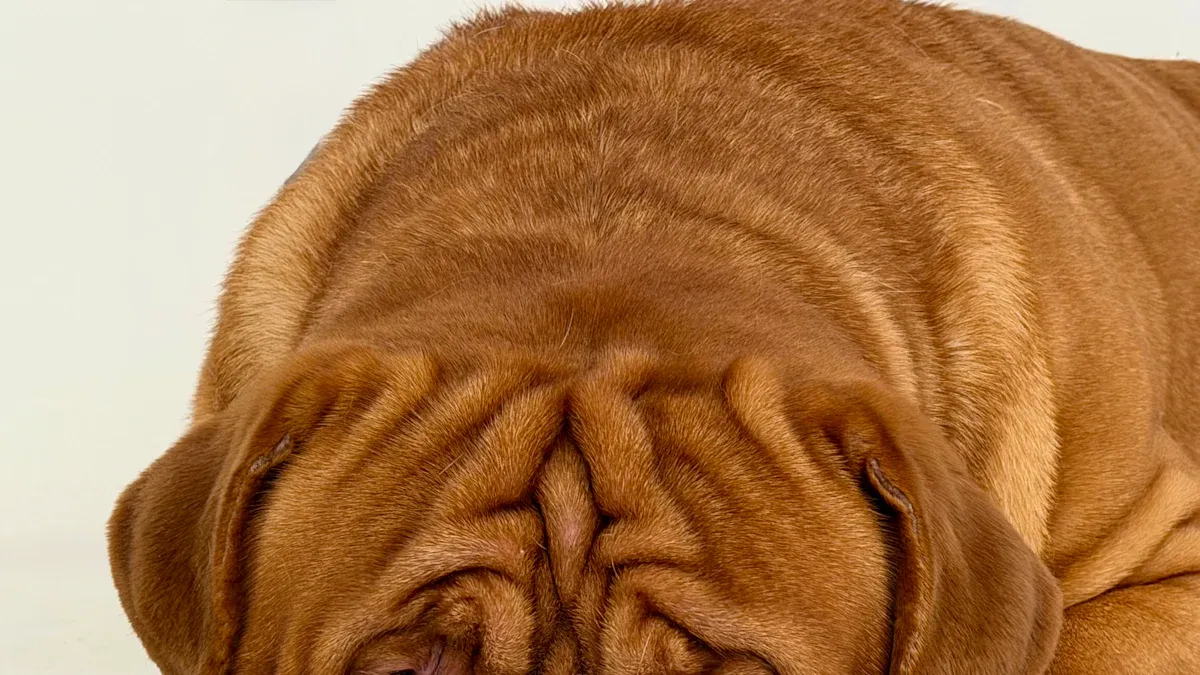
Large dog breeds capture your attention with their impressive size and gentle demeanor. Among them, massive mastiffs stand out as true gentle giants. Their large stature and loving nature spark curiosity. What sets these breeds apart in terms of size and weight? How do they balance their strength with a gentle temperament? Exploring these questions reveals the unique charm of mastiffs.
Key Takeaways
Mastiffs are among the largest dog breeds, typically weighing between 175 and 200 pounds and standing 28 to 36 inches tall.
Despite their size, mastiffs are known for their gentle and affectionate nature, making them loyal companions and protective guardians.
Proper care for mastiffs includes a balanced diet, regular exercise of 30 to 60 minutes daily, and grooming to maintain their health and comfort.
Mastiffs thrive in family environments and should live indoors, as they require love and attention to lead happy lives.
Common health issues in mastiffs include hip dysplasia and obesity, so regular vet check-ups and a healthy diet are essential.
Mastiff Size Overview

Mastiffs are known for their impressive size and strength. These massive dogs typically weigh between 175 and 200 pounds, with some individuals even exceeding this range. Their height usually falls between 28 to 36 inches at the shoulder. The combination of their weight and height makes them one of the largest dog breeds in the world.
Characteristics of Mastiffs
Mastiffs possess several distinct physical traits that set them apart from other giant dog breeds. Here are some key characteristics:
Body Structure: Mastiffs have a rectangular body shape, heavily muscled and robust. Their skeletal structure supports their large mass effectively.
Head and Face: They feature a prominent, massive head with a wrinkled forehead and drooping jowls. A black mask often surrounds their eyes and nose, giving them a unique appearance.
Coat: Their short, dense double coat comes in colors like fawn, apricot, or brindle. This coat helps protect them from various weather conditions.
Temperament: Despite their size, Mastiffs are known for their gentle and affectionate nature. They are loyal companions and often act as protective guardians for their families.
Mastiffs achieve their massive size through specific adaptations in their skeletal and muscular structures. The skeletal framework provides stability, especially at the coxofemoral joint, which is crucial for generating power during movement. Muscles designed for generating large forces stabilize the neck and shoulder, allowing these dogs to support their weight effectively.
Comparison with Giant Dog Breeds
When comparing Mastiffs to other giant dog breeds, you will notice some interesting differences and similarities. Below is a table that highlights the weight and height ranges of various giant breeds:
Breed | Weight Range (lbs) | Height Range (inches) |
|---|---|---|
Tibetan Mastiff | 90–150 | 24–26 |
Neapolitan Mastiff | 150 | 26–31 |
Great Dane | 140–175 | 30–32 |
Pyrenean Mastiff | 120–200 | 30–31 |
Boerboel | 110–200 | 22–27 |
As you can see, the Great Dane and Irish Wolfhound are also among the top contenders for largest dog breeds. The Great Dane can weigh between 140 and 175 pounds and reach heights of up to 48 inches. In contrast, the Saint Bernard typically weighs between 160 and 180 pounds and stands around 30 inches tall.
Mastiffs, however, often stand out due to their unique combination of weight and height. They are not only heavy but also have a broad, muscular build that contributes to their overall presence. This makes them one of the largest dog breeds by weight and height.
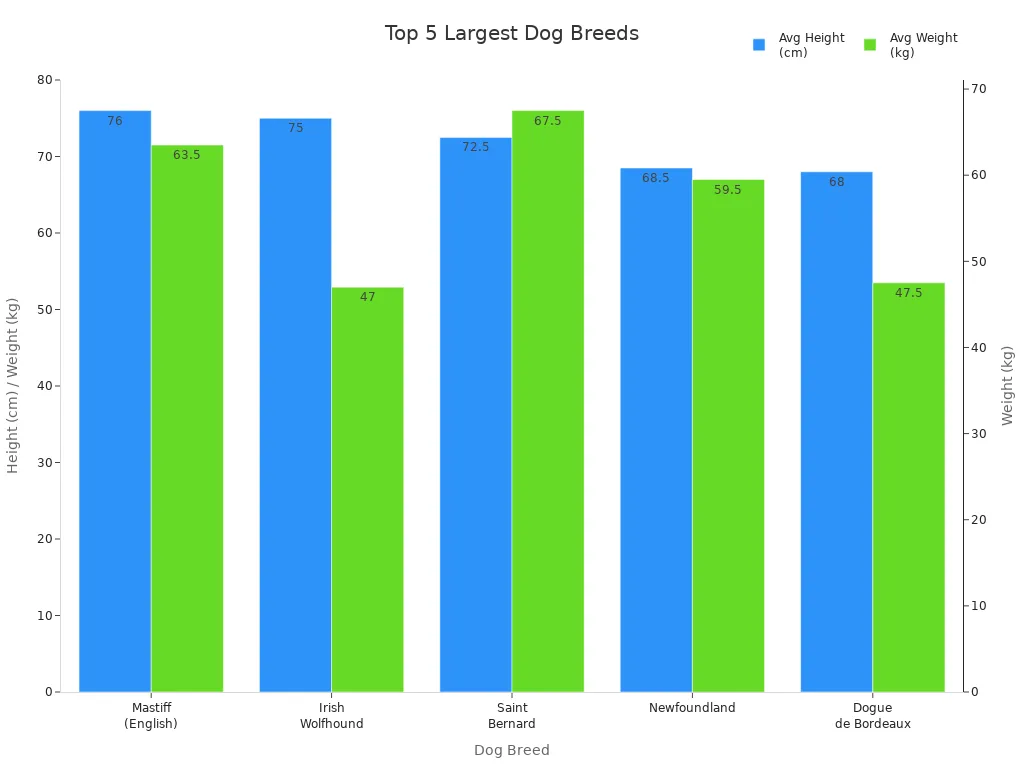
The Largest Dog Breed: English Mastiff
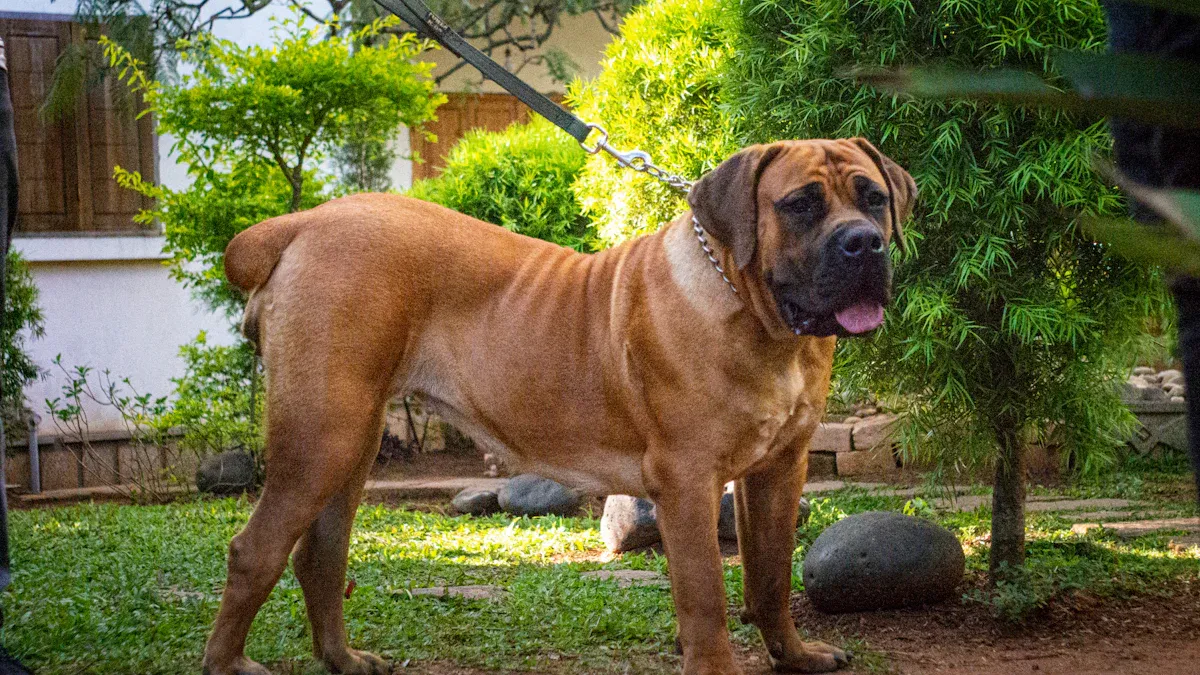
The English Mastiff holds the title of the largest dog breed in the world. These gentle giants can reach impressive sizes, making them a sight to behold.
Size and Weight Details
When it comes to size, English Mastiffs are truly remarkable. Adult males typically stand between 28 to 36 inches tall at the shoulder, while females range from 27 to 33 inches. Their weight can vary significantly, with males averaging between 160 to 230 pounds and females between 120 to 170 pounds.
For those interested in records, the heaviest English Mastiff ever documented weighed over 343 pounds, while the tallest reached 37 inches at the shoulder. Here’s a quick overview of these impressive measurements:
Attribute | Measurement |
|---|---|
Weight | Over 343 pounds |
Height | 37 inches at shoulder |
Additionally, the average weight for an English Mastiff can be summarized as follows:
Gender | Height (inches) | Weight (pounds) |
|---|---|---|
Male | 28 – 36 | 160 – 230 |
Female | 27 – 33 | 120 – 170 |
Temperament and Living Conditions
Despite their massive size, English Mastiffs are known for their calm and gentle temperament. They are affectionate and loyal, often forming strong bonds with their families. You will find that they are protective yet friendly, making them excellent companions and guardians.
Living conditions play a crucial role in the well-being of English Mastiffs. Here are some key points to consider:
English Mastiffs thrive in homes where they are treated as family members. They should not live outside or in garages.
A securely fenced yard is ideal, but they can adapt to large apartments if you provide daily walks.
Comfortable, supportive beds are essential for their comfort, preferably located in family areas.
Due to their susceptibility to heat stress, you must consider climate conditions when caring for them.
By allowing your English Mastiff to live inside the home, you enrich their emotional needs. Dogs treated as integral family members tend to live longer, healthier lives.
However, be aware that English Mastiffs can face health challenges. Common issues include canine cancer, gastric dilatation volvulus (GDV), and hip dysplasia. Regular veterinary check-ups and a healthy diet can help mitigate these risks.
Other Notable Mastiffs
Tibetan Mastiff Overview
The Tibetan Mastiff is a remarkable breed known for its impressive size and noble appearance. Adult male Tibetan Mastiffs typically stand between 26 to 30 inches tall and weigh around 90 to 150 pounds. Females usually measure 24 to 28 inches tall and weigh between 70 to 120 pounds.
Physical Traits:
They have a large, broad head with a heavy muzzle.
Deep-set, almond-shaped eyes give them a dignified look.
Their long, thick double coat provides protection against harsh weather.
Tibetan Mastiffs are known for their strong protective instincts. They are devoted to their families but can be aloof with strangers. This independent nature means they may choose when to obey commands, prioritizing protection over pleasing their owners. Early socialization and consistent training are essential for this breed.
Neapolitan Mastiff Overview
The Neapolitan Mastiff is another impressive breed that stands out among the largest mastiffs. This breed has a stocky build and a distinctive appearance characterized by deep wrinkles and folds.
Gender | Height Range | Weight Range |
|---|---|---|
Male | 26-31 inches | 150-200 lbs |
Female | 24-29 inches | 120-175 lbs |
Distinctive Features:
Neapolitan Mastiffs have a large, blocky head with a shorter muzzle.
Their skin is known for its deep wrinkles, which add to their unique charm.
Compared to the English Mastiff, they have a stockier build and more pronounced facial features.
These dogs are gentle giants, known for their loyalty and protective nature. They thrive in family environments and require early socialization to ensure they are well-adjusted. Neapolitan Mastiffs can be excellent companions, but their size and strength require responsible ownership.
Care for Massive Mastiffs
Caring for massive mastiffs requires attention to their unique needs. Proper nutrition, exercise, and grooming play vital roles in their health and happiness.
Nutrition and Diet
You should provide a balanced diet for your mastiff to maintain their health. High-quality dog food formulated for large breeds is essential. Look for options that contain real meat as the first ingredient. Avoid foods high in fillers and artificial additives.
Here are some common health issues related to improper nutrition in mastiffs:
Hip and elbow dysplasia
Cruciate ligament injuries
Obesity
Pancreatitis
Diabetes
Gastrointestinal illness
Heart disease
Cancer
Skin and fur conditions
Obesity is a prevalent issue in mastiffs. It often results from poor diet, overfeeding, and lack of exercise. This condition can lead to serious health problems, including diabetes and heart disease. You must monitor their weight and adjust their food intake accordingly.
Exercise and Grooming Needs
Massive mastiffs need regular exercise to stay healthy. Aim for at least 30 to 60 minutes of physical activity each day. Activities like walking, playing fetch, or swimming are great options. Mental stimulation is also important. Consider puzzle toys or training sessions to keep their minds engaged.
Grooming is another essential aspect of care. Here are some recommended grooming routines to prevent skin and coat problems:
Brushing: Helps distribute natural oils, removes dirt and parasites, and prevents skin irritations.
Bathing: Removes allergens and excess oil, moisturizes skin, and prevents dryness.
Wipe Downs: Use deodorizing wipes to remove irritants after walks.
Nail Trimming: Prevents cuts and infections from overgrown nails.
By following these guidelines, you can ensure that your massive mastiff remains a healthy and happy companion. Remember, these gentle giants thrive on love and attention, so make sure to spend quality time with them.
Fun Facts About Mastiffs
Historical Significance
Mastiffs have a rich history that dates back thousands of years. In ancient civilizations, these dogs played vital roles. Here are some key points about their significance:
Guardianship: Mastiffs were bred primarily as guard dogs. They protected land and livestock from intruders.
Warfare: Their size and strength made them valuable in battles. They often accompanied soldiers into combat.
Hunting: Mastiffs excelled in hunting, tracking, and capturing game, showcasing their versatility.
In Ancient Egypt, dogs held a special place in society. The god Anubis, associated with dogs, symbolized loyalty and protection. Mummification of dogs was common, indicating their importance. Over 8 million mummified dogs have been discovered, highlighting their revered status.
Mastiffs also appear in historical art and literature. The Molossus, an ancestor of the Mastiff, is depicted in murals battling lions as far back as 2500 BC. Edwin Landseer’s painting Alpine Mastiffs Reanimating a Distressed Traveler romanticizes their bravery and loyalty.
Unique Traits and Behaviors
Mastiffs possess several unique traits and behaviors that make them fascinating companions. Here are some interesting observations:
Guarding Instincts: Mastiffs naturally position themselves between you and strangers, showcasing their protective nature.
‘Lean On Me’ Behavior: They often lean against you, seeking comfort and showing affection.
Drooling: This breed is known for drooling, especially after drinking or when food is nearby.
Snoring: Their physical structure often leads to loud snoring, which can be amusing yet disruptive.
Low Energy Bursts: Mastiffs may surprise you with sudden bursts of energy, followed by long rest periods.
Extreme Loyalty: They form intense bonds with their families, leading to protective behavior.
Sensitivity to Weather: Mastiffs have a low tolerance for extreme temperatures, often seeking cooler areas in hot weather.
These traits make mastiffs not only impressive in size but also endearing companions. Their gentle nature balances their guarding instincts, making them unique among large dog breeds.
Owning a Mastiff can be a rewarding experience, but it comes with significant responsibilities. You learned about the impressive size and unique traits of these gentle giants. Remember, their long-term health and care costs can reach between $30,000 and $50,000 over their lifetime. This includes emergency veterinary visits and ongoing treatments for common health issues like hip dysplasia.
Before bringing a Mastiff into your home, consider your lifestyle. These dogs require love, attention, and proper training. Misconceptions about their aggression and exercise needs can lead to misunderstandings. With the right approach, you can enjoy a fulfilling relationship with your Mastiff.
FAQ
What is the average lifespan of a Mastiff?
Mastiffs typically live between 6 to 12 years. Factors like genetics, diet, and exercise influence their lifespan. Regular veterinary check-ups can help you monitor their health.
How much exercise do Mastiffs need?
Mastiffs require at least 30 to 60 minutes of exercise daily. Activities like walking or playing fetch keep them healthy. Avoid overexertion, especially in hot weather.
Are Mastiffs good with children?
Yes, Mastiffs are generally gentle and protective around children. Early socialization helps them develop good behavior. Always supervise interactions to ensure safety.
Can Mastiffs live in apartments?
Mastiffs can adapt to apartment living if you provide enough exercise. A secure, spacious area for them to move around is essential. Daily walks are crucial for their well-being.
What are some common health issues in Mastiffs?
Mastiffs may face health issues like hip dysplasia, obesity, and heart problems. Regular vet visits and a balanced diet can help prevent these conditions.
