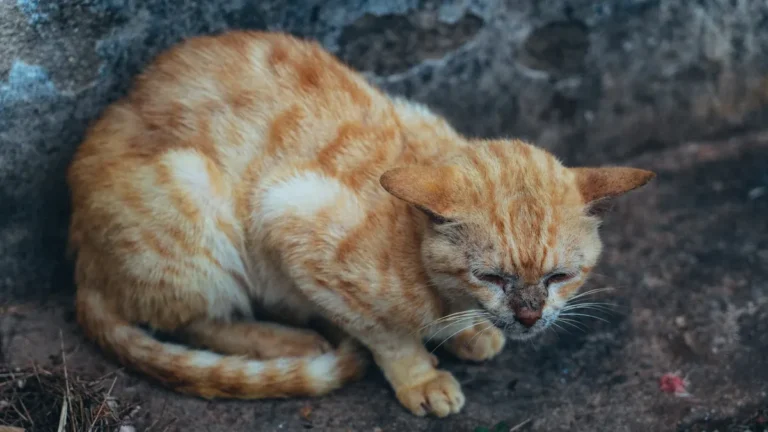


Last night, you could’ve seen your cat sitting near the window, eyes glossy, and pondered whether those tiny tears meant they felt sad. You care deeply, so the thought of your cat crying like a person can feel scary and confusing. You’re not imagining things whenever their eyes water or their voice sounds different. But what’s really going on with those “tears” and strange meows could surprise you and change how you respond next time.
Key Facts About Cats and Crying
Even though it could look like your cat is crying, those shiny eyes usually tell a very different story. Because of feline anatomy, your cat’s eyes need steady tear production to stay clean and healthy.
So whenever you see extra tears, it usually means something’s bothering those delicate eyes, not that your cat feels sad.
You may notice watering when dust, perfume, or litter irritate the eyes. Upper respiratory infections, conjunctivitis, or allergies can also cause constant tearing.
At the same time, emotional distress shows up in different ways. You could hear louder meows, see hiding, or notice changes in appetite and energy.
In case your cat’s tearing doesn’t fade, or you sense they’re uncomfortable, it’s kind and wise to contact your veterinarian.
How Feline Emotions Really Work
Mystery often surrounds how cats really feel, but their emotions are actually very real and surprisingly complex. Your cat can feel joy, sadness, and anxiety, yet it doesn’t “cry” from emotion. Instead, feelings show up in how your cat moves, sounds, and connects with you.
You’ll notice this emotional bonding in small, daily moments. Your cat might curl closer while you’re upset, or play more whenever you’re happy. This feline empathy grows each time you respond gently and consistently.
| Emotion | Common Signs | How To Support It |
|---|---|---|
| Happiness | Purring, relaxed body, slow blink | Offer play, soft voice, routine |
| Sadness | Hiding, quiet, less grooming | Sit nearby, speak calmly, engage |
| Anxiety | Pacing, loud meows, not eating | Create safe spots, keep things calm |
Medical Reasons Behind Watery Eyes in Cats
Your cat’s feelings show up in the eyes, but not always in the way you could consider. Whenever you notice watery eyes, it can feel scary, and you’re not alone in that worry. Often, those tears point to medical issues, not sadness.
Sometimes conjunctivitis, upper respiratory infections, or allergies irritate the eye and cause constant tearing. Dust, tiny scratches, or other foreign objects can do the same, making your cat blink or paw at the face.
Even dental problems can lead to watery eyes, because pain and infection in the mouth might spread or refer to the eye area.
Watch for redness, squinting, or thick discharge. Should watery eyes keep coming back, a vet visit helps uncover hidden conditions and protects your cat’s comfort.
Emotional Vocalizations and Body Language
Soft meows, sharp yowls, and quiet body shifts all work together as your cat’s emotional language.
Whenever you slow down and listen, you start to notice clear vocalization patterns. Loud, repeated meows can signal distress, loneliness, or hunger, not emotional crying. Softer sounds often mean your cat simply wants gentle company.
At the same time, your cat’s body language shows what those sounds really mean. A relaxed body and loose tail usually say, “I feel safe with you.” A tense posture or swishing tail could warn of fear or irritation, especially after changes in routine or home.
- Ears pinned back
- Tail swishing or thumping
- Hiding under furniture
- Curled, relaxed body
- Walking toward you while meowing
When Your Cat Seems to Be Crying: Common Triggers
Once you start identifying your cat’s vocal tones and body cues, it becomes easier to notice at times something feels off, like at times they seem to be “crying.”
Those louder, sharper sounds or restless movements often come from a real trigger, not just random noise.
Sometimes it’s physical pain from an injury, dental problem, or illness. You could hear sudden cries whenever your cat jumps or eats.
Other times, environmental changes, like a move or a new pet, can shake their sense of safety. You might also hear strong hunger signals near mealtime or the bowl.
Crying near the litter box can point to litter box issues.
Repeated, dramatic meows often come from attention seeking behavior or simple boredom triggers.
Helping a Distressed or Anxious Cat
Even though you do everything “right,” a distressed cat can still leave you feeling worried and a little helpless. You’re not alone in that feeling.
Your cat leans on your calm presence, so consider your home as their safe nest. Soft voices, predictable routines, and quiet spaces all support stress relief and gentle anxiety management.
You can create comfort with small, steady actions that show your cat they belong and are protected:
- Keep the environment calm, with steady routines and cozy hiding spots.
- Play daily to release tension and replace worry with fun.
- Scoop the litter box often so your cat feels clean and relaxed.
- Watch for changes in appetite, sleep, or vocal sounds, then call your vet.
- Clean teary eyes with vet-approved solutions to ease irritation.
How Cats Perceive and Respond to Human Emotions
As you feel a strong emotion, your cat often notices it through watching your body, your face, and the way your voice sounds.
As your mood shifts, your cat could respond with different behaviors, like purring and rubbing whenever you’re happy or staying close and quiet while you’re sad.
Through paying attention to how your cat reacts to your feelings, you start to see how they read your emotional cues and shape their behavior around your moods.
Reading Human Emotional Cues
Although they often appear calm and mysterious, cats pay close attention to your feelings and moods. You live together every day, so your cat slowly builds emotional sensitivity to your voice, posture, and energy.
Over time, this turns into quiet feline empathy that helps you feel less alone.
Your cat reads you like this:
- It watches your face and notices whenever you smile, frown, or cry.
- It listens to your tone and hears the difference between laughter and anger.
- It tracks your body language, like slumped shoulders or relaxed movements.
- It picks up emotional odors that can come with fear, stress, or calm.
- It connects these clues with past moments and learns what your feelings usually mean.
Behavioral Responses to Moods
Because your cat quietly studies you every day, it starts to match its behavior to your changing moods in very specific ways.
Whenever you feel happy and relaxed, your cat often feels safe to show more affection. You could notice extra purring, slow blinking, or gentle rubbing against your legs. In those moments, feline empathy helps your cat lean into the warmth you share.
Whenever you feel sad or stressed, your cat often shifts its behavior. It can sit closer, follow you from room to room, or rest quietly beside your side.
Over time, this emotional bonding grows deeper. Your cat learns your voice, your walk, even your sighs, and slowly builds a private language of comfort with you.