



Muzzling my dog can be appropriate in various situations. It’s a tool that promotes safety for both my pet and others around them. Many dog owners worry about how muzzles look or what they imply, often thinking they suggest danger or untrained behavior. In fact, most people express concerns about muzzles, particularly regarding their appearance. Muzzles are not just for aggressive dogs; they serve multiple purposes, such as during vet visits or grooming. When used correctly, muzzles are humane and can prevent unwanted biting or eating harmful objects. Understanding when and how to muzzle my dog is crucial for their well-being and mine.
Key Takeaways
Muzzles enhance safety for dogs and others in emergencies, vet visits, and grooming sessions.
Choose the right type of muzzle for your dog, with basket muzzles being the most versatile and comfortable option.
Use positive reinforcement to train your dog to accept a muzzle, making the experience stress-free.
Avoid using muzzles in non-threatening environments to prevent confusion and anxiety for your dog.
Never use a muzzle as a punishment; it can harm your dog’s trust and lead to negative behaviors.
When to Muzzle My Dog
Muzzling your dog can be essential in several situations to keep everyone safe. Here are some scenarios where you should consider using a muzzle:
Emergency Situations
In emergencies, your dog might react unpredictably due to fear or pain. Muzzles can protect both your dog and those around them. Here are some common emergency situations where muzzling is recommended:
Situation Description | Reason for Muzzle Use |
|---|---|
Healing from a painful injury | Sensitivity to touch during recovery |
Extra security during a veterinary appointment | Ensures safety for both the dog and veterinary staff |
Emergency situations involving severe pain or distress | Protects the dog and others from potential aggression |
Veterinary professionals emphasize that muzzles serve as a protective measure, enhancing safety during emergencies. They can prevent injuries when dogs are stressed or in pain. Muzzled dogs are less likely to bite, which is crucial in chaotic situations.
Grooming and Vet Visits
When you take your dog to the vet or groomer, a muzzle can help create a calmer environment. Here are some guidelines for using muzzles during these visits:
Basket Muzzle: Ideal for vet visits and grooming sessions, allowing dogs to pant and drink while preventing biting.
Soft Muzzle: Comfortable for short periods, suitable for trips to the vet, but not for aggressive dogs.
Plastic Muzzle: Lightweight for temporary use during grooming, not for long-term or aggressive dogs.
Leather Muzzle: Durable for short periods, allows panting and drinking, but must fit properly.
Veterinarians often suggest muzzling to ensure safety, especially if your dog shows signs of fear or agitation. This can help make procedures quicker and less stressful for everyone involved.
Socialization with Other Dogs
When socializing your dog with others, muzzling can enhance safety. It prevents bites and helps manage dogs in unfamiliar situations. However, it’s essential to use muzzles correctly to avoid negative behavioral changes. Here are some points to consider:
Muzzling can prevent bites and reduce scavenging behavior.
Improper use may lead to anxiety or attempts to remove the muzzle.
Some owners report negative effects on their dog’s behavior during social interactions.
Using a muzzle during socialization can help you manage your dog’s reactions and create a safer environment for everyone. Remember, the goal is to keep your dog and others safe while promoting positive experiences.
When Not to Use Dog Muzzles
While muzzles can be helpful in many situations, there are times when you should avoid using them. Understanding these scenarios is just as important as knowing when to muzzle your dog.
Non-Threatening Environments
In calm and friendly settings, muzzling your dog may not be necessary. Here are some situations where you can skip the muzzle:
Home Environment: Your dog feels safe at home. There’s no need for a muzzle when they’re relaxed and comfortable.
Familiar Parks: If your dog is in a familiar park with trusted friends and their dogs, a muzzle can create unnecessary stress.
Training Sessions: During training, you want your dog to learn and engage without the added pressure of a muzzle.
Using a muzzle in these non-threatening environments can lead to confusion and anxiety for your dog. They might not understand why they’re being muzzled when there’s no real threat.
As a Punishment Tool
It’s crucial to remember that muzzles should never be used as punishment. Doing so can have serious consequences for your dog. Here’s why:
Muzzles can cause panic in dogs, leading them to try to remove it, which may result in self-injury.
A poorly fitting muzzle can prevent your dog from performing essential behaviors like chewing, drinking, and eating, causing distress.
Ignoring the reasons behind your dog’s behavior can worsen issues like anxiety or frustration.
Using a muzzle as punishment can create fear and avoidance behaviors, especially around the head and neck. This fear complicates future medical treatments, as your dog may resist necessary examinations. Moreover, the bond between you and your dog may deteriorate, leading to more challenging behaviors. Always prioritize understanding your dog’s needs and emotions over using a muzzle as a corrective measure.
By recognizing when not to use a muzzle, you can help keep everyone safe while ensuring your dog feels secure and understood.
Types of Dog Muzzles
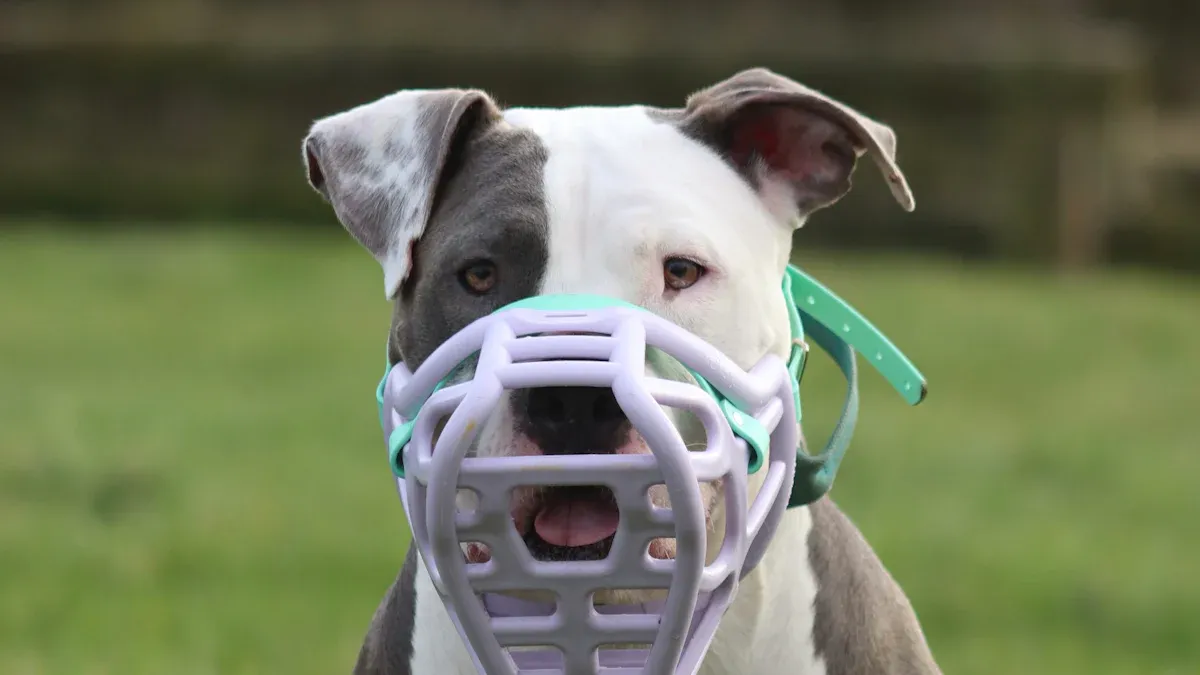
When it comes to choosing the right muzzle for your dog, understanding the different types available is essential. Each type serves a unique purpose and fits various situations.
Basket Muzzles
Basket muzzles are popular for their versatility. They come in materials like leather, wire, plastic, or rubber. This design allows your dog to open their mouth, pant, and even drink water. Here are some key benefits:
Comfort: Your dog can breathe easily while wearing a basket muzzle.
Functionality: They allow for eating treats, making them great for training sessions.
Safety: These muzzles prevent biting without restricting essential behaviors.
Soft Muzzles
Soft muzzles wrap around your dog’s mouth and hold it closed. They are typically made from fabric or mesh. While they can be useful, they come with some risks:
Limitations: Soft muzzles prevent barking, drinking, or eating. This restriction can lead to overheating since dogs lose heat through panting.
Potential Dangers: If your dog struggles to remove a soft muzzle, it may cause panic or discomfort. Always monitor your dog closely when using this type.
Custom-Fit Muzzles
Custom-fit muzzles are tailored to your dog’s specific anatomy. They are especially beneficial for breeds with unique head shapes, like flat-faced dogs. Here’s why you might consider a custom-fit muzzle:
Perfect Fit: A well-fitted muzzle ensures comfort and safety, allowing your dog to move naturally.
Personalization: Some custom muzzles come with features like treat holes, making them versatile for training.
Choosing the right muzzle is crucial for your dog’s comfort and safety. Consider factors like airflow, comfort, and the ability to deliver treats when selecting a muzzle. A proper fit can prevent health risks associated with poorly fitted muzzles, such as difficulty breathing or injury.
Muzzle Training for Dogs
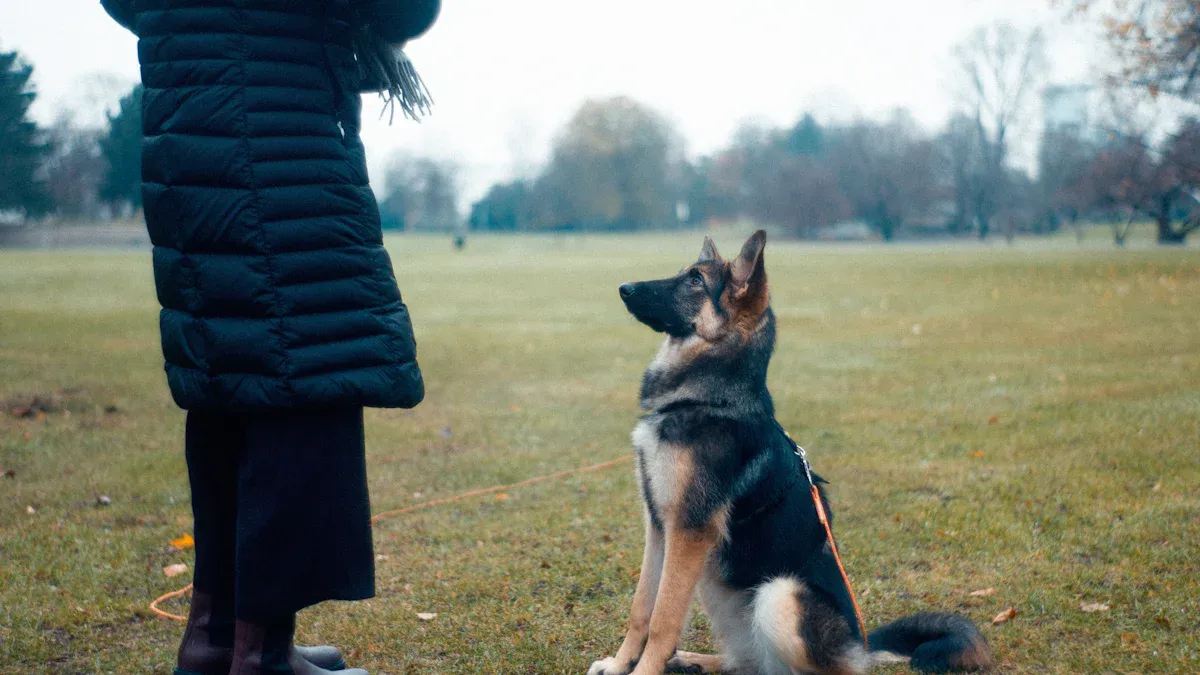
Training your dog to accept a muzzle can be a rewarding experience. It helps your dog feel comfortable and safe while wearing it. Let’s explore how to introduce the muzzle, use positive reinforcement, and gradually desensitize your dog.
Introduction to the Muzzle
When you first introduce a muzzle to your dog, take your time. Rushing this process can lead to stress and fear. You want your dog to associate the muzzle with positive experiences. Start by letting your dog see and sniff the muzzle. This helps them become familiar with it. Here are some steps to follow:
Place the muzzle in a room where your dog can see it.
Encourage your dog to explore the muzzle by rewarding any interaction.
Gradually introduce the muzzle in your hand, rewarding your dog for moving toward it.
Pair the muzzle with treats or play to create a positive association.
By following these steps, you can help your dog feel more comfortable with the muzzle.
Positive Reinforcement Techniques
Using positive reinforcement is key to successful muzzle training. This method encourages your dog to accept the muzzle without fear. Here are some effective techniques:
Initial Introduction: Place the muzzle on the floor or hold it gently. Reward your dog with treats when they show interest.
Comfortable Exploration: Encourage your dog to place their nose in the muzzle by using treats. Mark any positive behavior with praise.
Brief Muzzle Wear: Gradually fasten the muzzle for short periods. Reward your dog immediately after they wear it.
Increasing Duration: Extend the time your dog wears the muzzle while offering treats and praise.
Generalization: Practice wearing the muzzle in different environments to maintain a positive attitude.
These techniques not only help your dog accept the muzzle but also strengthen your bond through trust and cooperation.
Gradual Desensitization
Desensitizing your dog to the muzzle is crucial. This process helps your dog feel relaxed and secure while wearing it. Here’s how to do it:
Start by letting your dog see and sniff the muzzle. Reward them for any interaction.
Teach your dog to enter the muzzle by placing treats inside. Reward them for putting their nose in.
Gradually close the straps of the muzzle while rewarding your dog for remaining calm.
Increase the duration your dog wears the muzzle, rewarding them for good behavior.
Gradual desensitization ensures that your dog does not associate the muzzle with negative experiences. This approach can reduce stress for both you and your dog during stressful situations, like vet visits.
Muzzle training offers benefits beyond managing aggression. It increases safety for dogs with nervous tendencies and reduces anxiety for both the dog and handler. A comfortable dog wearing a muzzle shows trust in you, making training easier. Plus, it helps your dog associate vet visits with positive experiences, reducing trauma.
By investing time in muzzle training, you create a safer and more enjoyable environment for your dog. Remember, patience is key. With consistent practice, your dog will learn to accept the muzzle as a normal part of their life.
In summary, muzzling your dog can be a vital safety measure in various situations, from emergencies to vet visits. Remember these key points:
Muzzles are essential for safety, especially for dogs with aggressive tendencies or those that are fearful.
Proper fitting of the muzzle is crucial for comfort and effectiveness.
Positive reinforcement training helps dogs become accustomed to wearing a muzzle.
Always choose a muzzle that suits your dog’s needs. A basket muzzle is often the best option, allowing for panting and treats. By understanding your dog’s individual circumstances, you can ensure a positive experience for both of you. With patience and training, you can make muzzle-wearing a stress-free part of your dog’s life. 🐾
FAQ
What should I do if my dog resists wearing a muzzle?
If your dog resists, take it slow. Introduce the muzzle gradually, using treats and praise. Make it a positive experience. Patience is key!
Can I leave my dog muzzled for long periods?
No, avoid leaving your dog muzzled for extended periods. Muzzles can restrict essential behaviors like drinking and panting. Use them only when necessary.
Are muzzles safe for all dog breeds?
Most muzzles are safe for various breeds, but ensure a proper fit. Some breeds may require custom-fit muzzles for comfort and safety.
How do I choose the right muzzle for my dog?
Consider your dog’s size, breed, and behavior. Basket muzzles are versatile and allow panting. Soft muzzles are better for short-term use. Always prioritize comfort!
Can muzzling help with my dog’s anxiety?
Yes, muzzling can help manage anxiety in certain situations. It provides a sense of security for both you and your dog, especially during stressful events.
