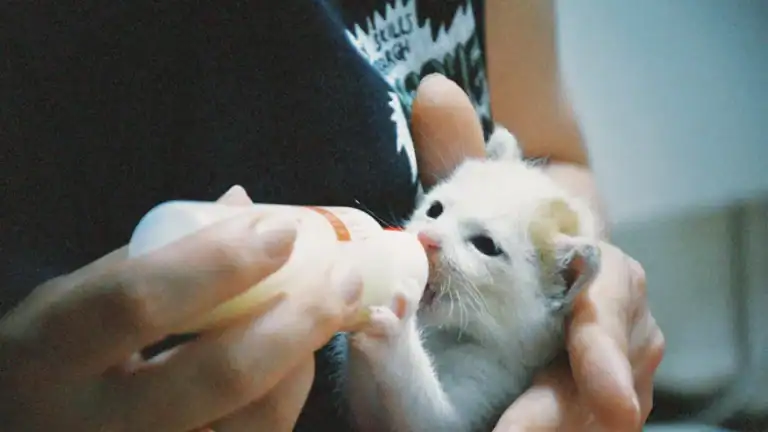


Runts of the litter start smaller due to genetics or poor placental position, which links to low energy, weak immunity, and trouble keeping warm. Caregivers should warm them gently, clear airways, and offer high-calorie formula in small, frequent amounts while tracking weight daily to spot stalls. Monitor skin temperature, suck reflex, and activity closely and contact a vet for pale gums, breathing changes, or stalled weight. Practical steps follow to help a runt grow stronger and healthier.
What Makes a Kitten the Runt of the Litter
At the point a kitten is noticeably smaller than its siblings, it becomes the runt of the litter and needs extra care and comprehension.
A kitten can be small from genetic factors that limit growth before birth or from placental positioning that reduces nutrient flow. These causes often act together, so caretakers should view them as linked issues needing gentle attention.
The runt might show low energy or slow feeding initially.
People caring for the litter should offer warmth, close monitoring, and extra feedings while staying calm and steady. This creates a sense of belonging for the tiny kitten and the group.
Simple, regular checks and kind handling build trust and improve chances for steady growth.
Why Runt Status Raises Mortality Risk
Runt kittens face higher mortality risk because they start life with lower glycogen reserves, so they tire faster and cannot fuel essential functions during stress.
They also have a weaker immune response, leaving them more vulnerable to infections that can quickly become life threatening.
On top of that they struggle to maintain body temperature, which worsens energy loss and suppresses immunity, creating a dangerous cycle that needs prompt attention.
Lower Glycogen Reserves
Born smaller and with less stored energy, the tiny kitten begins life with lower glycogen reserves that make every hour count.
This deficit affects feeding, temperature control, and activity levels. Caregivers who seek belonging with a litter respond quickly, offering gentle feedings and glycogen supplementation if advised through a vet.
The liver development of runts might lag, so thoughtful nutrition supports both short term energy and organ growth. Regular, calm monitoring builds trust between human and kitten.
Frequent, small feedings keep levels steady, and warming helps conserve energy. Should multiple strategies be used together, the runt’s chance of stabilizing improves.
Reassuring hands and steady routines give the smallest kitten a real opportunity to catch up and stay connected to the family.
Weaker Immune Response
Often quieter and more vulnerable than siblings, the smallest kitten shows a weaker immune response that raises its risk for serious illness.
A runt often receives fewer maternal antibody transfers during nursing, so its early protection is lower. That lack shapes immune modulation, making infections more likely and harder to fight.
Caregivers who notice a limp or slow feeder can act with warmth and steady attention. Gentle handling, prompt veterinary checks, and cleanliness reduce exposure to pathogens.
Supplemental feeding and monitored weight gain support immune development while social contact with confident caregivers builds resilience.
Transitional sentences link observation to action and prevention, showing how timely steps change results. The tone stays hopeful, inviting people to join in steady, focused care for fragile kittens.
Difficulty Maintaining Temperature
Because tiny bodies lose heat faster than fuller ones, the smallest kitten struggles to keep warm and that struggle raises its chance of getting very sick.
The runt cannot shiver enough or store glycogen like its siblings, so it slips into hypothermia quickly.
Caregivers who feel a bond want to help and can use gentle aids like external heatpads set low and layered with cloth.
Monitor ambient humidity and room temperature since dry or cold air steals warmth and makes breathing harder.
Hand warmers, shared bedding with littermates, and frequent weight checks all connect to survival.
Small, steady actions matter.
Seek veterinary help promptly should temperature drop and stay present, calm, and consistent while supporting these vulnerable kittens.
Recognizing Early Signs of Fading Kitten Syndrome
The caregiver notices as a runt feels unusually cool to the touch, because low body temperature can quickly sap energy and worsen other problems.
A weak suck reflex often follows, making feeding difficult and signaling the need for hands-on support.
Persistent lethargy then becomes a clear warning sign that immediate care or veterinary help is needed to give the tiny kitten the best chance to recover.
Low Body Temperature
A very small kitten with low body temperature can be fragile and needs quick, gentle attention to stand a chance of recovery. The caregiver notices cool skin, slow movement, and weak vocalizing. They bring ambient warmth, use thermal wraps, and create a safe nest. The group supports one another, sharing tips and quiet confidence.
| Vision | Touch | Sound |
|---|---|---|
| Soft light for calm | Gentle blanket contact | Low soothing voice |
| Warm bottle nearby | Careful thermal wraps | Rhythm like heartbeat |
| Stable temperature | Monitor skin feel | Listen for steady breathing |
This shared approach makes the runt feel held and included. Each simple step reassures the kitten and the team. Quick, kind action improves the chance of recovery and belonging.
Weak Suck Reflex
Notice how a tiny kitten might seem alert but fail to latch or pull milk, and understand that a weak suck reflex is often an initial, quiet sign of fading kitten syndrome.
Observers who care want reassurance and clear steps. A gentle reflex assessment helps spot problems early. Caregivers watch rooting, tongue motion, and strength when the nipple is offered.
If feeding stalls, try slow suck training with small, steady strokes and brief rest periods. Two linked actions matter here. First assess response and note patterns. Then start guided practice and record improvements.
This shared work builds trust among people and kittens. Seek veterinary help if progress stalls or breathing changes. The group approach strengthens survival chances and emotional bonds.
Persistent Lethargy
Following checks for a weak suck reflex, attention often shifts to how a kitten acts between feedings, because low activity can hide a serious problem. Persistent lethargy is often the earliest sign that a runt is struggling. Caregivers who watch closely notice slow responses, long sleep stretches, and little interest in warmth or nursing.
Lethargy causes include low blood sugar, infection, and poor thermoregulation, and each lowers oxygen delivery and mobility. Energy conservation might look like calm rest but signals survival mode. Gentle stimulation, timely feeding, and warmth can encourage brighter responses, while prompt veterinary care rules out infection or congenital issues. Those who band together to monitor growth and behavior form a safety net that enhances a fragile kitten survival chance.
Immediate Stabilization Steps for At-Risk Kittens
Often the smallest kittens need help right away, and the initial goal is to get them warm, calm, and breathing well.
A gentle caregiver will use emergency warming first, keeping the kitten on a warm pad and wrapped in soft towels to raise temperature slowly. At the same time airway support is checked so breathing stays steady.
In the event a vet is present, IV fluids and glucose administration can restore circulation and energy. These steps belong together because warmth and breathing allow fluids and sugar to work.
- Warmth and quiet nest to steady breathing and reduce shock.
- Clear airway and gentle stimulation for consistent breaths.
- Veterinary IV fluids with measured glucose to revive strength.
Nutrition and Feeding Strategies for Growth
Every small kitten needs steady, gentle nutrition to build strength and fight off illness, so caregivers should start with a clear, calm plan that fits the kitten’s size and condition.
The runt benefits from high calorie formulas given in small, frequent feeds.
Whenever the mother cannot nurse, syringe feeding offers control and warmth while preventing aspiration.
Caregivers often add probiotic supplements after consulting a vet to support digestion and immunity.
Feed schedules must be regular and adjusted as the kitten grows.
Gradual weaning begins with softened canned food and continued close contact, which eases stress and keeps bonding strong.
Gentle handling and shared duty among caregivers create belonging and steady progress toward a healthier, more confident kitten.
Monitoring Weight and Vital Signs Effectively
Nutrition sets the foundation for a tiny kitten, and the next step is careful watching of weight and essential signs to see how that foundation holds up. A caregiver uses digital scales daily to track grams gained or lost. Small changes tell a story, and the tone stays gentle and steady. Thermal imaging can spot cold spots without touching a shivering kitten. Together these tools form a quiet safety net.
- Weigh before feeding, note trend lines, envision a tiny graph rising slowly.
- Scan with thermal imaging, envision warm orange areas and one cool blue patch.
- Check pulse and breathing while the kitten rests, picture steady, soft movement.
Readers feel welcome to learn these steps and share successes with others.
When to Seek Veterinary Intervention
Caregivers should act quickly whenever a tiny kitten shows signs that go beyond normal fussiness, because prompt veterinary help can mean the difference between recovery and rapid decline.
A caregiver notices pale gums, weak breathing, persistent crying, failure to nurse, low body temperature, or seizures. Those signs require urgent vet attention and possible emergency transport. Caregivers also seek help if weight stalls for 24 hours or wounds look infected.
A vet will assess dehydration, blood sugar, infections, and organ function. Owner education matters because understanding warning signs speeds decisions and reduces fear.
Clinics can teach tube feeding, warming, and follow up. The caregiver feels supported whenever professionals explain risks and steps. Quick action and shared knowledge give the runt the best chance.
Long-Term Care and Integration With the Litter
Once a tiny kitten begins to grow steadier, its long-term care shifts from crisis into steady support, and integrating it with littermates becomes a gentle, step-by-step process. The caregiver watches for cues, balances gradual weaning with shared warm bedding, and encourages social bonding through short supervised visits that build trust. This nurturing tone helps the kitten feel included and safe.
- Soft introductions: brief, calm meetings on a warm towel to ease acceptance.
- Shared feeding rhythm: timed bottles then small joint meals to model eating together.
- Play and rest cycles: gentle group play that teaches boundaries followed by close naps for comfort.
These steps strengthen connection while protecting health and honoring each kitten’s pace.