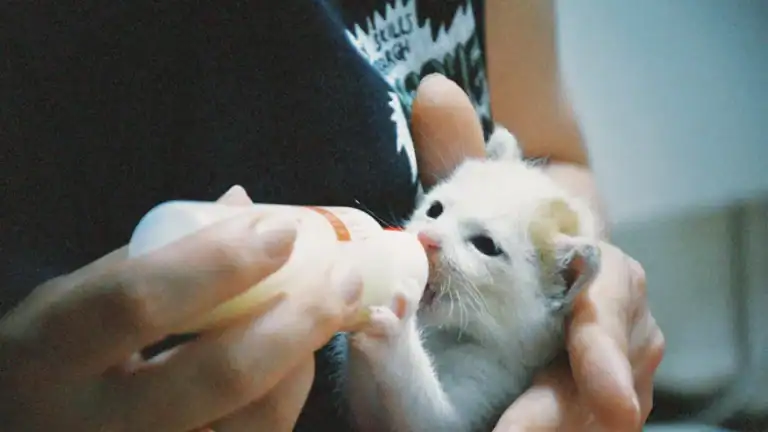


No, fried chicken is not a safe choice for cats. Frying adds extra fat, breading, and seasonings that upset digestion and raise pancreatitis risk. Cooked bones can splinter and cause choking or internal injury. Plain, small pieces without skin or bones might be tolerated, but watch for vomiting, diarrhea, lethargy, or breathing trouble and contact a vet if symptoms persist.
Why Fried Chicken Is Risky for Cats
Provided a cat is offered fried chicken, the immediate risk comes from the high fat, salt, and seasonings that are part of the dish.
The fat can trigger pancreatitis and weight gain, and the salt and spices can cause vomiting, diarrhea, or worse.
Cooked bones in fried chicken can splinter and choke or puncture the gut.
These dangers change normal feeding rituals and could create behavioral aversion should the cat links pain to food.
Caregivers who value belonging want safe shared moments.
They can offer plain cooked, skinless chicken instead, keeping portions small and unseasoned.
Observing the cat after any treat and adjusting feeding rituals helps protect the bond and avoids medical emergencies.
How Frying Changes Chicken’s Nutrition
Frying converts plain chicken into a much richer, saltier snack that can harm a cat if eaten even in small amounts.
The cooking process soaks the meat in oil and adds breading, which raises fat and carbohydrate levels far above the lean protein cats need.
Seasonings and extra salt further alter the taste and safety, increasing risks like digestive upset, toxic exposures, and long term weight problems.
Increased Fat Content
Coated in batter and plunged into hot oil, chicken picks up a lot more fat than its plain form, and that extra fat changes how a cat’s body handles the meal. This added fat forces fat metabolism to work harder, and owners who care about their pets might worry about pancreatic stress.
The body must divert energy to process lipids, which can upset digestion and trigger vomiting or diarrhea. For cats with sensitive stomachs, one feeding can cause discomfort and leave you feeling guilty.
Repeated feedings increase the chance of weight gain, high blood lipids, and even pancreatitis. Choosing plain, cooked chicken instead helps protect health. It helps build trust between pet and caregiver while keeping meals safe and predictable.
Added Carbohydrates/Breading
Many people do not realize that breading turns a simple piece of chicken into a much different food for a cat. The breaded coating effects add carbohydrates and extra calories that the carnivorous cat does not need. If eaten, those carbs change how the cat’s body handles the meal.
Carbohydrate digestion in cats is slower and less efficient than in omnivores. This can lead to stomach upset, loose stool, or extra weight over time. Owners who care about their pet will notice these shifts and want safer choices.
The breading also often contains fats absorbed during frying, which combines poorly with added carbs. Together these factors make fried, breaded chicken a risky treat compared with plain cooked meat options.
Salt and Seasonings
Occasionally a slice of fried chicken looks tempting to a pet owner, but the salt and seasonings applied during frying can turn a simple snack into a real health hazard for a cat. Frying raises sodium and concentrates spices that a community of cat lovers knows can harm pets. Because of feline sodium sensitivity and ingredients like garlic or onion powder, even a small bite can cause vomiting or anemia. People who care for cats often seek seasoning alternatives and safer treats. The shared goal is comfort and health, so offering plain cooked chicken or low-salt broth builds trust and belonging among caretakers.
| Ingredient | Risk to Cats | Safer Option |
|---|---|---|
| Salt | High sodium sensitivity | Plain chicken |
| Garlic powder | Red blood cell damage | Herb-free broth |
| Breading | Fat and carbs | Lean meat slices |
Toxic Seasonings and Ingredients to Watch For
Usually a cat-owner who hands over a scrap of fried chicken does not intend harm, but certain seasonings and ingredients in that piece can quietly cause real danger.
Owners who care about belonging want simple facts. Garlic effects and onion toxicity are serious and can damage red blood cells even in small amounts. Spice sensitivity varies by cat and can inflame the mouth and stomach. Herbal toxicity from common herbs like oregano or parsley can upset digestion. Seasoning absorption in oily batter increases risk, and marinade risks include concentrated salts and flavor enhancers. Salt substitutes sometimes contain xylitol which is extremely dangerous. MSG concerns bother some pets and could trigger nausea or tremors. Watch labels, ask friends what they used, and keep cats safe.
Dangers of Cooked Chicken Bones
Handle cooked chicken bones with care because they can turn from a tasty scrap into a serious hazard for a cat.
Cats belong to people who care deeply, and that bond means watching what they eat.
Cooked bones become brittle. They can break into sharp bone splinters that pierce gums, throat, or intestines.
Teeth can chip when a cat bites a hard fragment, causing painful dental fractures and infections.
Small pieces might lodge and cause choking or internal cuts.
Larger pieces can block the gut and need emergency care.
Owners should remove bones from shared plates and offer boneless plain chicken instead.
Should a cat chew a bone or seem in pain, call a veterinarian right away for guidance and support.
Short-Term Symptoms After Eating Fried Chicken
After eating fried chicken, a cat might show quick signs like vomiting and diarrhea as the rich, greasy food upsets its stomach.
This can lead into tiredness and weakness because the body uses energy to fight the discomfort and could lose fluids.
Together these symptoms often occur one after the other, so watching both digestive problems and low energy helps decide whether a vet visit is needed.
Vomiting and Diarrhea
Seeing a cat vomit or have loose stools after eating fried chicken can be frightening, and it often signals the digestive system reacting to rich, fatty, or seasoned food. Observers notice upset tummies, occasional mucus, and repeated trips to the litter box. The gut microbiome can be disturbed, and caretakers might consider offering small amounts of water and discussing fluid therapy with a vet when dehydration seems likely. Gentle monitoring and shared concern help establish trust between caregiver and cat.
| Symptom | What it could mean | What to watch for |
|---|---|---|
| Vomiting | Stomach upset from fat or spice | Frequency, blood, lethargy |
| Diarrhea | Microbiome imbalance or irritation | Dehydration, mucus, appetite |
| Repeated episodes | Possible pancreatitis or toxin | Vet care, fluid therapy |
Lethargy and Weakness
Noticing a cat become quiet, slow, or unwilling to move after eating fried chicken can feel alarming, and caretakers often worry immediately about serious problems. The cat might show weakness from high fat or salty seasonings, or from toxins like garlic. Energy monitoring helps caregivers track whether rest is normal and at what point signs worsen. Watch for pale gums, shallow breathing, or wobbling. Muscle atrophy is unlikely from one meal but chronic poor feeding can lead to it over weeks. Create a calm space and check water intake. Seek veterinary help should symptoms progress or bones were swallowed.
- Take note changes in play, jumping, and appetite for clear comparisons
- Record feeding time, portion, and symptom onset
- Bring notes to the clinic for faster care
When to Call the Vet or Poison Control
Provided that a cat eats fried chicken, the caregiver should watch closely and act quickly whenever certain signs appear because timing can change the result. Caregivers should keep emergency contacts handy and note any behavioral changes.
In case vomiting, repeated diarrhea, tremors, difficulty breathing, pale gums, or seizures occur, contact a veterinarian or poison control immediately. In case a bone is missing or the cat gags or chokes, call right away.
Mild lip licking or brief upset can be monitored but still logged for the vet. While waiting, keep the cat calm, offer water in small amounts, and avoid forcing food. Reach out to trusted pet friends or support groups for moral support and to share observations with professionals.
Safe Ways to Offer Chicken as a Treat
On offering chicken as a treat, one should choose plain cooked, skinless pieces to keep the protein healthy and digestible.
Careful preparation matters, so use baking, boiling, or grilling without salt, spices, or breading and remove any bones before serving.
For portion control, give only a small amount—about a teaspoon or two for kittens and no more than one to two tablespoons for most adults—and monitor the cat afterward for any signs of upset.
Plain Cooked, Skinless
A simple bowl of plain, skinless cooked chicken can be a comforting and healthy treat for a cat provided it is prepared carefully and offered in the right amounts.
It gives lean protein and supports taurine needs while helping with nutrition balance whenever paired with regular cat food.
Caregivers feel reassured offering a familiar smell and texture to a pet who belongs to the family.
- Boil or bake boneless breast, no salt, no spices, shred into small pieces for easy chewing
- Serve at room temperature and mix with regular food to encourage acceptance and slow eating
- Store leftovers safely, discard after two days to prevent bacteria growth
This approach creates trust and keeps treats simple and safe.
Portion Size Limits
Several small portions work best for most cats, especially while offering chicken as a treat. The caregiver can practice portion control measuring a teaspoon to a tablespoon of plain cooked chicken depending on size. This supports calorie counting and keeps treats within a feeding schedule that matches the household routine. Treats should complement regular meals and not replace them.
Using small pieces also helps behavioral training because the cat learns to respond to cues for praise and reward. Offer treats slowly between meals so digestion stays steady. Track daily snack amounts against the main diet to avoid excess fat and calories. Shared responsibility among family members helps maintain consistency and keeps the cat healthy and included.
Safe Preparation Methods
For cats to enjoy chicken safely, caregivers should prepare it simply and carefully so the treat is nourishing without causing harm. Caregivers choose plain, skinless, boneless chicken and focus on gentle cooking to protect a cat’s digestion and taurine needs while keeping a warm, welcoming routine.
Thoughtful ingredient sourcing matters; pick fresh chicken and avoid seasoned or processed products. Portion timing helps integrate treats into mealtime so the cat feels included without overfeeding.
- Bake, poach, or simmer until fully cooked and drain fat
- Chop into small bite sized pieces and remove all bones
- Offer treats shortly after meals or as rewards, not as meal replacements
This approach supports safety, nutrition, and a sense of belonging.
Portion Limits for Kittens and Adult Cats
Whenever feeding kittens and adult cats, clear portion limits help keep them healthy and happy. The guidance balances love for pets with practical safety.
For kittens guidelines call for very small, infrequent tastes. Young cats under six months should get no more than about 2 teaspoons of plain cooked chicken per day as a treat. That supports growth without crowding balanced kitten food.
For adult limits the rule is modest treats only. Adult cats might have up to about 2 tablespoons of plain cooked chicken a day, split across servings to avoid stomach upset.
Both groups need treats to be skinless boneless and unseasoned. Owners who share food with the household will find these limits easy to recall and follow.
Better Commercial and Homemade Alternatives
After noting safe portion limits for kittens and adults, many caregivers look for reliable replacements that feel special but stay healthy. Caregivers want options that bond the household and honor a cat’s needs. Commercial products and simple homemade items can both fill that role without risk. Consider these trusted choices that substitute fried chicken treats.
- High quality commercial wet food toppers that list meat initially and avoid salt or spices
- Homemade catnip treats made with cat-safe ingredients to encourage play and slow feeding
- Subscription cat mealplans that deliver measured, vet-reviewed portions and limited-ingredient snacks
These options connect caregivers to their cats. They reduce worry about fat, bones, and seasonings. They also make sharing moments safer and more joyful for everyone involved.
Creating a Balanced Meat-First Cat Diet
A thoughtful cat caregiver can build a meat-first diet that meets a cat’s natural needs while keeping meals safe and enjoyable. The caregiver chooses whole muscle meats, rotates protein rotation among chicken, turkey, and fish, and adds measured organ supplementation for taurine and micronutrients. Meals remain low in fat, free of seasonings, and bone-free. Trust and belonging grow whenever caregivers share feeding routines and learn together.
| Component | Purpose | Example |
|---|---|---|
| Muscle meat | Main protein and calories | Skinless cooked chicken |
| Organs | Vitamins and taurine | Small liver or heart portions |
| Supplements | Balance gaps | Commercial feline multivitamin |
Caregivers watch portions, monitor weight, and check with a vet about ratios and supplements.