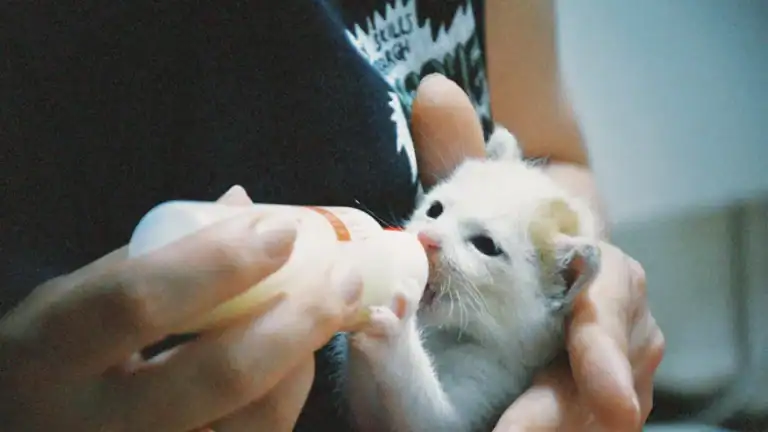

A cat cold can be soothed at home with gentle care and vet guidance. Keep the sick cat warm, humid, and quiet, and offer tempting warmed wet food and flavored water to encourage eating and drinking. Clean eyes and nose with warm saline and support breathing with added room humidity. Use vet-approved supplements only under veterinary guidance and stop any home remedy if symptoms worsen.
What Causes Cat Flu and How It Spreads
Because you want to protect your cat, it helps to know what causes cat flu and how it spreads. You’ll learn that common viruses travel easily, so viral transmission often happens once cats touch shared bowls, bedding, or toys.
You want your community of pets to stay safe, so you’ll act quickly as soon as one cat brings germs into a contagious environment. You’ll watch for brief outbreaks in multi-cat homes and shelters, and you’ll limit contact between sick and well cats. You’ll clean surfaces, separate belongings, and keep cats indoors to reduce spread.
You’ll seek vet help when needed, and you’ll support recovery with gentle care so your cat feels loved and not alone.
Recognizing Common Symptoms of Feline URIs
You’ll often notice the initial signs of a feline URI once your cat starts sneezing and has clear or thick nasal discharge that matts the fur around the nose.
At the same time their eyes might water and develop crusting, which can make them squint or paw at their face. These symptoms often occur together, so watch for both changes and reach out for gentle home care or veterinary advice in case they get worse.
Sneezing and Nasal Discharge
How can you tell once a simple sneeze turns into something that needs attention? You’ll notice nasal inflammation, thicker discharge, or sneezing triggers that keep coming. You care for your cat and you want to belong to a circle that understands these signs. Watch breathing, appetite, and energy. In case discharge is colored or constant, act sooner. Use humid air and gentle wipes to ease passages while you monitor.
| Sign | What it means | What you can do |
|---|---|---|
| Clear sniffles | Mild irritation or allergy | Humidify and clean nostrils |
| Thick yellow mucus | Possible bacterial issue | Vet consult and supportive care |
| Frequent sneezing | Ongoing inflammation | Track triggers and comfort cat |
Stay close, keep feeding, and reach out should symptoms worsen.
Eye Watering and Crusting
At the time your cat’s eyes start watering and crusting, it’s a sign you should pay close attention, since these changes often show an upper respiratory infection taking hold. You’ll notice tear staining along fur and dried discharge at the corners. Gently wipe with a warm, damp cloth to remove crusts, then dry the area to prevent irritation.
Should eyelid inflammation appear, apply soft pressure and stop should your cat pulls away. These signs can come with sneezing and nasal discharge, so treat them together through increasing humidity and cleaning faces often. Keep your cat comfortable, offer warmed food and water, and watch for appetite loss or worsening discharge.
Reach out to your community or vet in case swelling, green pus, or lethargy develops.
When to Contact Your Veterinarian
Should your cat’s symptoms get much worse or new trouble appears, call your veterinarian right away so you don’t waste time.
Should they stop eating or drinking for more than a day, contact the clinic because dehydration and hepatic lipidosis can start quickly.
And in case your cat has trouble breathing or you notice pale or blue gums, get emergency care immediately, since those signs mean they need prompt medical attention.
Severe or Worsening Symptoms
As your cat’s breathing gets faster or more labored, don’t wait to act because these signs often mean they need immediate veterinary care. You belong here with other worried pet parents, and you can act calmly. Watch for persistent fever, neurological symptoms, pale gums, blue tongue, hard breathing, or severe lethargy. Call your vet or emergency clinic fast.
| Sign | What to do |
|---|---|
| Labored breathing | Seek emergency care |
| Persistent fever | Call vet now |
| Neurological symptoms | Transport immediately |
| Refusal to move | Urgent exam |
| Severe discharge | Vet assessment |
These signs often occur together, so tell the clinic everything. You’ll feel supported, and your cat will get care sooner as soon as you move quickly.
Not Eating or Drinking
At the time your cat stops eating or drinking for more than a day, you should call your veterinarian right away because this can turn serious quickly. You want to belong to a supportive care team, and your vet is part of that circle. Appetite loss can lead to dangerous liver problems and dehydration.
Watch for behavior changes like hiding, lethargy, or pawing at the mouth. Try gentle home steps while you arrange the call. Offer warmed canned food, strong-smelling tuna, or a few drops of tempting broth. Keep fresh water and a humidifier nearby to ease congestion and encourage sipping.
In the event your cat refuses food for 24 to 48 hours, call now so your vet can advise next steps.
Breathing Difficulty or Blue Gums
Should your cat struggles to breathe or their gums turn pale blue, you need to act fast and stay calm so you can help them right away. You and your cat are a team, and you’ll follow clear steps together.
Call your veterinarian immediately and describe signs, including any possible respiratory obstruction or sudden collapse. Follow their emergency protocols and be ready to transport your cat in a secure carrier.
While you prepare, keep them upright and quiet, avoid forcing food or water, and loosen tight collars. In case breathing seems noisy or shallow, get to emergency care without delay.
You’ll feel scared, and that’s normal. The clinic will assess oxygen needs, clear obstructions, and start lifesaving treatment.
Supportive Home Care to Speed Recovery
At the time your cat has a URI, you can do a lot at home to ease symptoms and speed recovery, and small, steady steps often make the biggest difference.
You’ll want to monitor hydration carefully through offering fresh water and wet food nearby so your cat can sip often. You can manage temperature through keeping your home comfortably warm and placing soft blankets in quiet spots.
Use a humidifier or short steam sessions in the bathroom to loosen congestion, then gently wipe crusted eyes and nose using a warm damp cloth.
Keep your cat indoors and away from other pets while you provide calm affection and quiet care. These steady actions build comfort, strengthen trust, and help healing happen.
Nutrition Tips to Keep a Sick Cat Eating
Considering how to tempt your sick cat to eat in case their nose is stuffed and everything smells wrong? You want to help and belong to a small circle that cares deeply.
Offer warmed canned food and gently mash it to release aroma. Rotate flavors to add food variety so one smell could trigger interest.
Try mixing a little tuna water or a safe topper to encourage appetite stimulation without sudden diet changes.
Serve small, frequent portions close to where your cat rests. Keep dishes clean and quiet, and sit nearby to reassure them.
Should they refuse for more than a day, call your vet because prolonged fasting risks liver problems.
Trust your instincts, stay patient, and keep offering tasty, gentle options.
Safe Hydration Strategies and Preventing Dehydration
If your cat won’t drink, you can keep her hydrated through serving wet food that’s warm and aromatic to make each bite more tempting.
You can also offer flavored water, like a little tuna juice or low-sodium chicken broth, in a shallow dish to encourage sipping without forcing her. These two gentle changes work together to keep mucus thin and energy up as you watch for signs that a vet visit is needed.
Encourage Wet Food
Because your cat could stop drinking once they feel lousy, switching to wet food is one of the gentlest ways you could keep them hydrated and strong. You’ll want to try palatable textures and adjust feeding schedules so meals feel comforting and easy to eat. Warm canned food, softened pâté, and small frequent portions help coax appetite. You’re part of a caring circle that notices subtle changes and responds with patience.
| Texture | Benefit |
|---|---|
| Pâté | Easy to swallow |
| Gravy | Extra moisture |
| Chunks in sauce | Familiar mouthfeel |
| Warmed food | Releases aroma |
| Tuna mix | High appeal |
These choices support hydration and steady eating while you stay close and attentive.
Offer Flavored Water
Keeping your cat eating is half the battle, and you can apply the same gentle consideration to keep them drinking too. You want them hydrated without force. Try mild flavored hydration to entice interest and use safe taste boosters like low-sodium chicken broth or tuna water. They’re familiar flavors that feel comforting and friendly.
- Offer small shallow bowls placed where they rest, so water feels easy to reach
- Warm broth slightly to release aroma and mimic canned food scent
- Rotate plain water with flavored hydration to keep novelty without overwhelming
- Use a pet fountain for moving water in case your cat prefers running water
- Add ice cubes from broth for a playful, scented treat
These choices help you keep them cozy, seen, and cared for.
Using Humidity and Steam to Ease Congestion
Provided your cat’s nose and eyes are clogged, employing gentle humidity and brief steam sessions can assist in loosening thick mucus and making breathing easier, and you’ll feel better realizing you’re doing something simple and kind for them.
You can set a cool mist humidifier nearby to enjoy humidifier benefits without overheating the room. Sit with your cat in a warm bathroom while a short hot shower runs to create light steam therapy, and stay only ten minutes. Watch for stress signs and keep sessions calm and gentle.
Combine humidity with cozy bedding and warm, wet food to encourage eating. These steps help open nasal passages so your cat can breathe and rest, and they let you show steady care whenever your pet needs it most.
Gentle Cleaning Techniques for Eyes and Nostrils
A few gentle steps can make a big difference whenever you clean your cat’s eyes and nostrils, and you’ll feel calmer realizing you’re helping them breathe and see more comfortably.
You want a quiet spot where your cat feels safe. Use warm water or saline rinses to loosen crust and soften mucus. Keep movements slow and soothing. Use soft cotton or gauze for gentle wiping. Should you need more help, ask a friend to hold your cat while you work.
- Check temperature initially so it’s comfortable
- Wet the cloth with saline rinses, not harsh cleaners
- Hold skin steady with one hand, wipe outward gently
- Replace cloth between eyes to avoid spreading infection
- Praise and pet your cat following each step
Natural Antiviral Supplements and Dosages
In case your cat has symptoms from feline herpesvirus or calicivirus, you’ll want gentle antiviral options that support healing without adding stress.
You can try lemon balm as a calming antiviral. Give about 500 mg twice daily for an average adult cat, split into small doses with food so it’s easy to accept.
Olive leaf extract can help too. Look for products with standardized oleuropein and follow label dosing for cats, often a small dropper dose twice daily based on weight.
Use both only with your vet’s OK. Watch appetite, energy, and breathing. Should anything worsens, stop and call your clinic.
You’re doing a caring job and these options can feel like close, natural support while you stay alert and involved.
Herbal and Natural Antibacterial Options
In case you’ve been using gentle antivirals like lemon balm or olive leaf, you could also want safe herbal and natural antibacterial options to help should bacteria move in after a virus. You care for your cat like family, and these choices can offer herbal collaboration with antivirals while keeping things gentle.
Natural bioactives in select herbs help curb bacterial overgrowth and soothe inflamed airways.
- Honey from a trusted source for gentle antibacterial action and throat soothing
- Olive leaf extract for oleuropein driven natural bioactives that support airways
- NOT Drops to help control bacteria and restore gut balance in a friendly way
- Silver Immune Support for broad range antimicrobial use when vet approves
- QUENT Drops specific for upper respiratory bacterial support and comfort
Stay close, watch eating, and call your vet in case things worsen.
Holistic Immune Support and Long-Term Care
Although you might feel worried should your cat keeps getting sniffles, you can build steady immune support that helps them stay healthier long term. You belong to a caring circle that wants practical steps.
Feed nutrient rich meals like omega 3 rich fish and grain free options to lower inflammation and strengthen defenses. Add vetted supplements such as L lysine, olive leaf extract, and immune harmony formulas under your vet guidance. Consider adaptogenic herbs in safe feline forms to help balance stress related immune dips.
Practice gentle meditative practices yourself to lower household stress which helps your cat feel calm and recover faster. Keep routine vet checks, enhance hygiene, and track symptoms so you can act promptly in case secondary infections appear.
Comfort Measures: Warmth, Rest, and Stress Reduction
You’ve already started building your cat’s long-term defenses, and now you can make their recovery even gentler through focusing on warmth, rest, and stress reduction.
You want your cat to feel safe, so you create a cozy corner with warm bedding and low activity. Gentle routines help, and calming scents in muted form can soothe without overwhelming. Keep interactions soft and predictable, and let them choose at the moment to be near you. Use short sessions of quiet petting, then step back.
- Offer a draft free nest with warm bedding and a soft blanket
- Run a humidifier nearby for easier breathing and comfort
- Play soft, familiar sounds to reduce anxiety
- Maintain gentle lighting and low foot traffic
- Bring warmed, palatable food to encourage eating
Preventing Spread and Protecting Other Pets
In case your cat is sick, you can protect the rest of your pets through acting quickly and calmly, so everyone stays safe and less stressed.
Start off by setting up clear quarantine practices like a separate room with bedding, food, and water. Wash your hands prior to and following visits. Use simple hygiene protocols such as disposable gloves during cleaning discharge and separate towels for the sick cat. Keep litter boxes and feeding bowls apart and wash them often in hot soapy water.
Allow family members to rotate care so one person minimizes exposure. Open a window or use a humidifier to help breathing without sharing airspace.
Check in with your vet promptly and invite household support so you don’t carry this alone.