


People cherish their cats. They want their feline friends to enjoy long, healthy lives. A cat’s lifespan varies significantly by breed. The average lifespan for cats typically falls between 13 and 17 years. An average indoor cat often lives longer. This is due to protection from dangers and good nutrition. The average indoor cat lifespan is generally higher. This article provides a clear cat lifespan chart. It ranks 12 popular cat breeds by their average life expectancy. Genetics influence longevity. Owner care is paramount. Creme Puff, a record-holder, lived 38 years. This shows a cat’s potential. Discover the longest living cat breeds. Understand the factors contributing to a cat’s long lives.
Key Takeaways
Cats live longer with good care. The average cat lives 13 to 17 years. Some cats live over 20 years.
Indoor cats live longer than outdoor cats. Indoor cats are safe from dangers like cars and other animals. Outdoor cats face more risks.
Good food, vet visits, and exercise help cats live longer. Spaying or neutering also adds years to a cat’s life.
Some cat breeds live longer than others. Siamese, American Shorthair, and Russian Blue cats often live 15 years or more.
Cat Lifespan Overview
General Cat Lifespan Averages
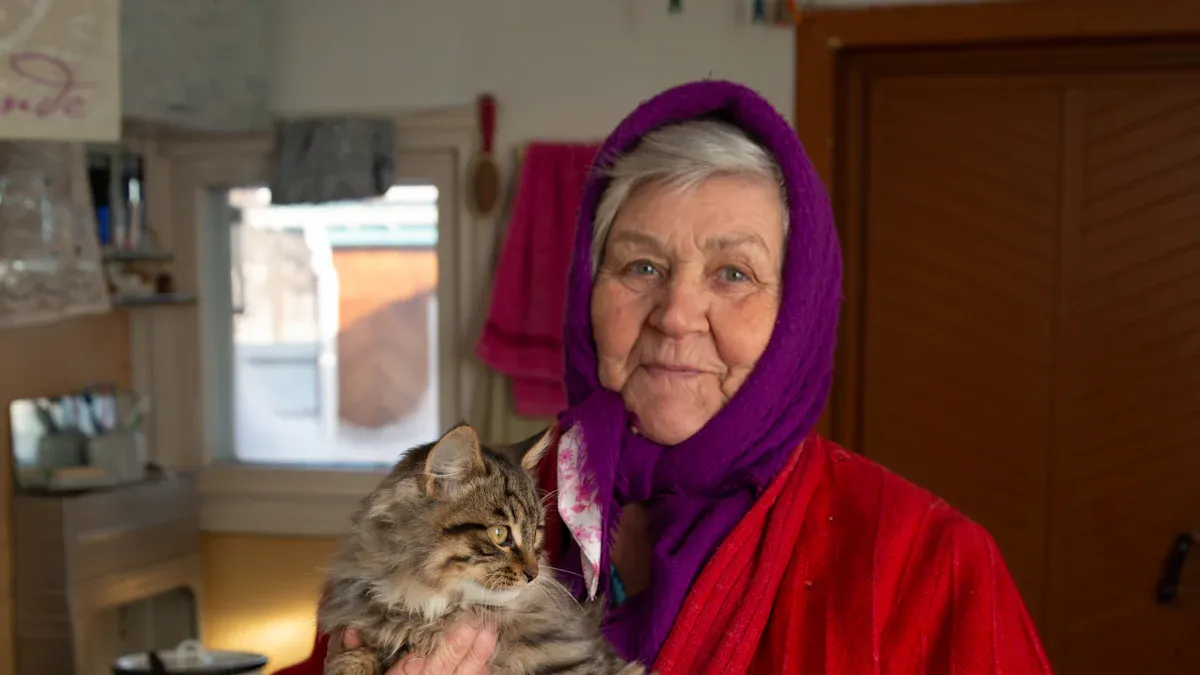
A domestic cat’s average lifespan varies significantly. Many factors influence how long a cat lives. An indoor cat typically lives between 12 and 20 years. This extended period is often due to protection from outdoor dangers like traffic, predators, and diseases. Outdoor cats face more risks. Their lifespan is usually shorter, around 5 to 10 years. Overall, a typical domestic cat lives 12 to 18 years. Some cats even reach 20 years old, becoming cherished long-term companions. A UK study from 2009 to 2012 examined cat deaths. It found the median age-at-death for a cat was 14.0 years. The study showed a range between 9.1 and 17.0 years. This information helps owners understand general expectations for their feline companions and highlights the benefits of indoor living.
Purebred vs. Mixed Breed Longevity
People often wonder if purebred or mixed-breed cats live longer. Research offers different perspectives on this topic. One general finding suggests mixed-breed cats live longer. Feline Friends NC reported that mixed-breed cats live about 1.5 years longer than purebreds. A UK study cited by Feline Friends NC found mixed-breed cats lived 1.27 years longer. However, another study by US Banfield showed a different result. This study found purebred cats lived 11.5 years, while mixed-breed cats lived 11 years.
This means purebreds lived 0.5 years longer in that specific study. A UK VetCompass study also looked at this. Initially, it found mixed-breed cats, or moggies, lived 14 years on average. Pedigreed cat breeds lived 12.5 years. After adjusting for various risk factors, the difference became smaller. Crossbred cats had a life expectancy only 0.6 years longer than pedigreed cats. These studies show that the difference in longevity between purebred and mixed-breed domestic cat breeds can be small. Owners should focus on overall care for any cat.
Cat Lifespan Chart: Breeds Ranked
This cat lifespan chart ranks various cat breeds by their average life expectancy. It provides insights into the longest living cat breeds and those with a shorter average lifespan. Understanding these differences helps owners prepare for their feline companion’s journey.
Burmese Cat Lifespan
Burmese cats typically live between 10 and 17 years. These cats are compact and muscular. They have a short, fine coat and expressive eyes. Burmese cats are known for their playful, affectionate, and vocal nature. Many people describe their temperament as dog-like.
However, Burmese cats can face several health challenges. Owners should be aware of these conditions:
Craniofacial Abnormality: This includes defects in the front of the skull. Examples are cleft palate, absent eye, hydrocephalus, and jaw misalignment.
Gangliosidosis: This rapidly progressing disease leads to loss of coordination, paralysis, and death, usually by six months of age.
Endocardial Edema: Newborn kittens with this condition have difficulty breathing.
Flat Chest Kitten Syndrome: This causes deformed ribs and sternum in newborns. Critical phases occur at 10 and 21 days.
Hypokalemia: Low potassium levels cause lethargy, fatigue, and potential paralysis. Potassium supplements can treat this condition.
Excessive Tearing: Some Burmese cats experience this.
Congenital Vestibular Syndrome: This impairs coordination and can cause blindness.
Diabetes: This is common in older cats.
Periodontitis and Gingivitis: These dental issues require proper dental care.
Liver and Kidney Disorders: These include stones, renal insufficiency, nephritis, and hepatic lipidosis.
Eye Problems: Cats can develop cataracts, glaucoma, and keratoconjunctivitis.
Demodicosis: Mites cause this skin condition.
Psychogenic Alopecia: Stress leads to excessive grooming and hair loss.
Lower Urinary Tract Diseases: These include infections and bladder stones.
Orofacial Pain Syndrome: Jaw and teeth pain causes paw biting. This usually lasts a few days.
Obesity: This major disease contributes to arthritis, diabetes, and fatty liver.
Dental Disease: Inflammation of gum tissue leads to tartar buildup, infection, and potential tooth loss or organ damage.
Vaccine-Preventable Infections: Burmese cats are susceptible to panleukopenia, calicivirus, rhinotracheitis, and rabies.
Parasites: They are vulnerable to fleas, ticks, ear mites, hookworms, roundworms, heartworms, and whipworms.
Acute Teething Disorder: Kittens claw at their face due to pain from incoming adult teeth. This may require antibiotics for infection.
Siamese Cat Lifespan
Siamese cats are known for their sleek, elegant appearance. They have distinctive color points and striking blue eyes. Their temperament is vocal, intelligent, demanding, and social. The average lifespan for a Siamese cat is quite good.
Category | Lifespan (Years) |
|---|---|
Average Lifespan | 15 |
Female Lifespan | 12 to 20 |
Male Lifespan | 15 to 20 |
Siamese cats generally live up to 15 years on average. Some individuals reach 20 years old. This makes them one of the longest living cat breeds. Their long life expectancy makes them cherished companions for many years.
Birman Cat Lifespan
Birman cats have a semi-longhaired coat, color points, blue eyes, and distinctive white paws. They are gentle, calm, affectionate, and quiet. Their average lifespan typically ranges from 12 to 16 years.
Birman cats can have certain health concerns:
Feline Hypertrophic Cardiomyopathy: This common heart disease causes thickening of heart muscles. It affects blood pumping efficiency. Birmans can be affected, though it is common across all cat breeds.
Hemophilia: This rare but serious clotting condition is more prevalent in Birman cats due to its inherited nature.
Polycystic Kidney Disease: This causes cysts to form in the kidneys. It can lead to kidney failure. Birmans can inherit it, though it is not as common as in some other cat breeds.
Hypotrichosis: This genetic condition leads to hair loss and thinning. It is not deadly, but affected cats require special skin care.
Eye Problems: Birmans can be prone to cataracts, eyelid agenesis, and corneal sequestration. These are common feline eye conditions.
Feline Infectious Peritonitis (FIP): This infectious, viral disease is often incurable. Certain strains are deadly. Birman cats are among breeds more prone to developing troublesome FIP.
Common Cat Diseases: Like all cats, Birmans are susceptible to common feline illnesses. These include urinary tract infections and dental disease.
Russian Blue Cat Lifespan
Russian Blue cats have a beautiful silver-blue coat and striking green eyes. They possess an elegant appearance. Their temperament is quiet, gentle, loyal, and playful. Russian Blue cats generally live for 10 to 15 years. Their typical lifespan is around 15 years. Some individuals have lived for over 25 years. This makes them one of the cat breeds with the longest lifespans. As a naturally occurring breed, Russian Blue cats are generally healthy. They have a long life span of 15–20 years.
American Shorthair Lifespan
American Shorthair cats are sturdy and muscular. They have a short coat that comes in various colors. Their temperament is easygoing and adaptable. They are also good hunters. The average lifespan for an American Shorthair is typically 15 to 20 years. This places them among the longest living cat breeds.
American Shorthair cats have some common health predispositions:
Hypertrophic cardiomyopathy (HCM): This involves thickening of the heart muscle. An overactive thyroid gland often causes it.
Dilated cardiomyopathy (DCM): A taurine deficiency causes this condition.
Feline Lower Urinary Tract Diseases (FLUTD): Signs include urinating outside the litter box, blood in urine, or difficulty urinating.
Renal Failure: Kidneys fail to cleanse waste and regulate hydration. This is common in older cats but can affect younger ones.
Hyperthyroidism: A benign tumor in the thyroid gland causes excessive T4 hormone production. This is common in middle-aged cats.
Diabetes Mellitus: A genetic predisposition, often linked to being overweight or a poor diet.
Polycystic Kidney Disease (PKD): Defective genes cause this condition. It leads to cysts in kidneys and liver that enlarge over time.
Arterial Thromboembolism: Blood clots can occur in cats with heart disease.
Allergies: These manifest as itchy skin, over-grooming, red sores, and frequent ear infections.
Ragdoll Cat Lifespan
Ragdoll cats are large and semi-longhaired. They have blue eyes and color-pointed coats. They are famous for their “floppy” nature. Their temperament is gentle, docile, affectionate, and tolerant. Ragdoll cats typically enjoy a long and healthy life. Their life expectancy ranges from 13 to 18 years.
However, some studies show variations in their life expectancy:
Study Location | Life Expectancy (Years) | Survival Rate to 10 Years |
|---|---|---|
UK | 10.31 | N/A |
Sweden | N/A | 78% |
England | 10.1 | N/A |
A Swedish study indicated that only 63% of Ragdoll cats live beyond 10 years. This suggests a shorter life span for some compared to many other popular cat breeds.
Persian Cat Lifespan
Persian cats are known for their long, flowing coats, flat faces, and large eyes. Their temperament is sweet, docile, quiet, and low-energy. The average lifespan for a Persian cat is typically 10 to 15 years.
Persian cats are prone to several genetic health issues:
Polycystic kidney disease (PKD): Persian cats are highly prone to this hereditary disease. An estimated 38% are affected. It involves the development and multiplication of cysts in the kidney area. Genetic testing can help identify carriers.
Hypertrophic cardiomyopathy: This is the most prevalent heart disease in Persian cats. It causes the heart walls to thicken and reduces the organ’s efficiency. It can also lead to enlargement of the left heart chamber and potentially sudden death.
Congenital epiphora: A hereditary condition where the nasolacrimal duct drainage system malfunctions. This leads to excessive tearing.
Hip dysplasia: This condition involves abnormal development of one or both hip joints. It results in instability and degeneration. Persian cats are particularly susceptible due to a narrower gene pool and predisposition to obesity.
Congenital ankyloblepharon: An inherited abnormality typically observed in blue-eyed Persian cats.
Abnormally long fur: A genetic mutation affecting hair protein function causes this. It makes them more susceptible to fungal and bacterial skin infections.
Progressive retinal atrophy (PRA): The eye’s retina degenerates in this condition. Symptoms worsen over time. Night blindness is an early sign, appearing around 1–2 years of age. It eventually results in total blindness.
Bengal Cat Lifespan
Bengal cats have a wild-looking, spotted or marbled coat. They are athletic and energetic. Their temperament is active, curious, intelligent, and vocal. The average lifespan for a Bengal cat is generally 12 to 16 years. Their life expectancy is influenced by their environment, diet, and genetic makeup. While they are considered a relatively healthy breed, they can be susceptible to certain genetic health conditions.
British Shorthair Lifespan
British Shorthair cats are stocky with a dense short coat, a round face, and copper eyes. Their temperament is calm, independent, and affectionate but not overly demanding. Their average lifespan ranges from 12 to 20 years. This makes them one of the cat breeds with a good life expectancy.
British Shorthair cats have common health concerns:
Polycystic Kidney Disease (PKD): This inherited condition causes cysts to form in the kidneys from birth. These cysts grow over time and can impair kidney function. Symptoms include increased water consumption, vomiting, weight loss, or blood in the urine. It is more common in British Shorthairs with Persian ancestry.
Feline Hypertrophic Cardiomyopathy (HCM): This condition involves the thickening of the heart walls. It makes the heart less efficient. It can lead to congestive heart failure symptoms such as lethargy, labored breathing, or rapid breathing. It also increases the risk of blood clots. HCM is progressive and worsens with age.
Maine Coon Cat Lifespan
Maine Coon cats are large and longhaired. They have bushy tails and tufted ears. They are known as gentle giants. Their temperament is friendly, playful, and intelligent. Most Maine Coons typically live between 10 to 15 years.
Pet insurance data from a 2003–2006 study in Sweden indicates a median lifespan of over 12.5 years for Maine Coons. This study also found that 74% of Maine Coons lived to 10 years or more. Additionally, 54% lived to 12.5 years or more. A UK study reported a life expectancy of 9.71 years for Maine Coons. This compares to an overall average of 11.74 years for other cat breeds.
Singapura Cat Lifespan
Singapura cats are the smallest domestic cat breed. They have large eyes and a ticked coat. Their temperament is playful, curious, affectionate, and quiet. Their average lifespan is typically 11 to 15 years.
Singapura cats can experience various health issues:
Diabetes Mellitus: This genetic disease can be influenced by weight and diet. Indoor inactive lifestyles increase risk. Chronic pancreatitis, which can be inherited, may also lead to diabetes.
Allergies/Atopy: This manifests as itchy skin, particularly on legs, belly, face, and ears. Symptoms include over-grooming, face rubbing, and frequent ear infections. It typically starts between ages one and three and can worsen annually.
Vaccine-Preventable Infections: They are susceptible to bacterial and viral infections like panleukopenia, calicivirus, rhinotracheitis, and rabies. Core vaccinations can prevent these.
Parasites: They are vulnerable to internal parasites (hookworms, roundworms, heartworms, whipworms) and external parasites (fleas, ticks, ear mites). These can cause pain, discomfort, and even be fatal.
Heart Disease: This includes cardiomyopathy, such as hypertrophic cardiomyopathy (thickening of heart muscle, often due to overactive thyroid) and dilated cardiomyopathy (historically linked to taurine deficiency, now rare with quality diets).
Obesity: Indoor cats are prone to weight gain due to less activity.
Dental Disease: This affects 50–90% of cats over age 4. It leads to pain, inflammation, tooth loss, and potential organ damage if untreated.
Progressive retinal atrophy (PRA): This group of genetic conditions leads to the loss or wasting of cells in the retina. It can cause vision decline and blindness.
Pyruvate kinase deficiency (PKD): Cats with this condition lack an enzyme needed by red blood cells. This can result in anemia, jaundice, fatigue, and weight loss.
Uterine inertia: The uterus cannot contract properly in this condition. This makes birth difficult (dystocia).
Viral and bacterial infections: These include rhinotracheitis, rabies, panleukopenia, and calicivirus-induced respiratory disorders.
Sphynx Cat Lifespan
Sphynx cats are hairless with wrinkled skin, large ears, and a lean body. Their temperament is energetic, affectionate, and attention-seeking. They also enjoy warmth. The typical lifespan for a Sphynx cat ranges from 8 to 16 years. Some individuals reportedly live up to 20 years. Compared to other cat breeds, their life expectancy is considered very standard, often reaching 14-16 years. However, research indicates that Sphynx cats have the shortest life span among domestic cat breeds in some studies, living on average for just 6.8 years. This highlights the variation in life expectancy data for various cat breeds.
Factors Affecting Cat Lifespan
Many factors influence how long a cat lives. Owners play a significant role in their feline companion’s health and longevity. Understanding these elements helps provide the best care.
Diet and Nutrition
A high-quality diet directly impacts a cat’s health and longevity. Cats fed diets with nutritional additives often experience an increased lifespan of one year. These cats also show better blood counts and slower loss of body weight with age. They tend to be more active. Preliminary evidence suggests diet influences how cats age. Changes in nutrient digestibility in aging cats present opportunities for nutritional interventions.
A good diet contributes to better digestion and improves immune function. It leads to healthier skin and coat. It also helps prevent chronic diseases like diabetes, arthritis, and obesity. This can result in fewer vet visits and a potentially longer life for a cat. High-quality diets should include high-quality proteins, fruits, and vegetables. Processed pet foods often contain low-quality proteins, grains, and harmful chemicals. These ingredients can negatively affect a cat’s health.
Cats require specific nutrients for long-term health. These include water, protein, fat, carbohydrates, vitamins, and minerals. Cats need high levels of protein. This includes essential amino acids like taurine, found only in animal proteins. Taurine is vital for tissue building, hormone formation, and metabolism. Without enough taurine, cats can develop heart disease, vision, and dental issues.
Fats are crucial for essential fatty acids and the absorption of fat-soluble vitamins. They also support cell membrane integrity and skin and brain health. Arachidonic acid is a specific fat requirement. Carbohydrates provide energy. Essential minerals like sodium, potassium, calcium, and iron are also necessary. Kittens need more calcium and phosphorus for bone growth.
Taurine is an essential amino acid for adult cats. It is vital for heart and eye health. Adequate intake prevents conditions like dilated cardiomyopathy. Antioxidants, such as Vitamin E, combat oxidative stress. They support immune function and overall well-being. For joint health, especially in active or senior cats, glucosamine and chondroitin help maintain cartilage. They reduce inflammation and improve mobility. Omega-3 fatty acids are beneficial for their anti-inflammatory properties.
They manage chronic conditions like arthritis. They also support heart and kidney function. DHA is crucial for kittens’ brain and vision development. Probiotics support digestive health in both kittens and senior cats. They aid nutrient absorption and immune function. L-carnitine can assist in fat metabolism for weight management in heavier cats.
Veterinary Care Importance
Regular veterinary care is essential for a cat’s long life. Healthy adult cats, specifically those between one and ten years old, should have a veterinary exam once a year. These annual check-ups are vital for preventive care. They help detect early signs of diseases. Vets update vaccinations and discuss diet and parasite prevention.
A yearly wellness exam is recommended for adult cats. These annual check-ups are important for updating vaccinations and checking dental health. Vets conduct a full physical examination. This ensures the cat maintains a healthy weight and body condition. All healthy, adult cats should visit the vet at least once a year. This includes a comprehensive examination and vaccine booster shots. During this routine exam, the vet performs a head-to-tail assessment. They look for early signs of diseases or other issues. These include parasites, joint pain, or tooth decay. The veterinarian also administers any required vaccines. They discuss the cat’s diet, nutritional requirements, and appropriate parasite protection products.
Annual veterinary visits are recommended once a cat reaches adulthood, around one year of age. These yearly check-ups involve a thorough physical examination and vaccination updates. Routine blood work helps identify any underlying health issues. Even if an adult cat seems healthy, these annual visits are crucial for preventive care. They help catch potential problems early. This can make treatment easier and less expensive. Preventive care also includes dental check-ups, parasite prevention, and weight management.
Indoor vs. Outdoor Cat Lifespan
A cat’s environment significantly impacts its life expectancy. The average lifespan for an outdoor cat is only two to five years of age. An indoor cat’s life span can reach seventeen years of age or older. Outdoor cats tend to live an average of two to five years. Indoor cats can live to be 17 years or older. The average life expectancy for an indoor cat is closer to 14 years. Indoor cats typically live between 10 to 15 years. Some even exceed 20 years. Outdoor cats, in contrast, have a much shorter average outdoor cat lifespan.
Outdoor cats face many risks. These include dangers from other animals. This means injuries from fights with other outdoor animals like dogs. Predation by wild animals such as coyotes and large birds of prey is also a risk. Outdoor cats can also get diseases and parasites from wildlife. Exposure to toxic plants is another danger. Many common ornamental flowers, like lilies, are highly toxic. They can cause severe health issues. These include vomiting, lethargy, and kidney failure. Other dangerous plants include sago palms and castor bean plants.
Outdoor cats are more susceptible to internal and external parasites. They can get intestinal parasites like roundworms and hookworms from contaminated soil. Ingesting fleas can lead to tapeworms. Mosquitoes can transmit deadly heartworms. Extreme temperatures also pose a threat. While cats find shelter, extreme heat or cold can be dangerous. Seeking shelter in dangerous places, such as under car hoods, can lead to injuries. Winter conditions can cause paw burns from ice salt. Some salts contain highly toxic antifreeze. Beyond specific plant toxins, outdoor cats face increased risks of road traffic accidents. They also face other forms of poisoning, such as from antifreeze ingested during grooming.
Exercise and Mental Stimulation
Regular physical activity contributes significantly to a cat’s lifespan. It helps maintain a healthy weight. Exercise improves heart and lung function. It strengthens muscles and joints. Physical activity also reduces stress and anxiety. It enhances mental stimulation and promotes better sleep.
Physical activity contributes up to 30% of a cat’s total daily energy expenditure. This plays a crucial role in preventing and reducing obesity. It can also indirectly influence nutrient digestibility. Exercise affects gut hormones that regulate appetite and food passage through the digestive tract. Providing toys, climbing structures, and interactive play sessions keeps a cat active and engaged. This supports both physical and mental well-being.
Spaying and Neutering Benefits
Spaying and neutering offer significant health benefits for cats. These procedures can extend a cat’s life.
Spaying female cats before one year of age reduces the risk of mammary tumors by 86%. While the risk of pyometra in cats is less than in dogs, spaying prevents this condition. Mammary tumors in cats are highly malignant. They often spread by the time of diagnosis.
Prevention through spaying is crucial. Spaying a female pet can help prevent life-threatening infections and tumors of the reproductive tract. It also prevents breast tumors. The inability to reproduce eliminates complications associated with pregnancy and delivery. Spayed female cats do not develop uterine infections. They are less likely to develop mammary tumors. Spaying a female cat before any heat periods virtually eliminates the possibility of uterine infections and cancers.
It also reduces the risk of breast tumors. In general, spaying contributes to a longer, happier, and healthier life for female cats. Spaying female cats before their first heat cycle significantly lowers the risk of developing mammary tumors. The procedure completely eliminates the possibility of uterine and ovarian cancer. Spaying prevents pyometra, a severe uterine infection.
Neutering male cats is associated with a longer lifespan.
Cat Status | Lifespan (Years) |
|---|---|
Neutered Males | 11.8 |
Intact Males | 9.4 |
Spayed Females | 13.2 |
Intact Females | 10.9 |
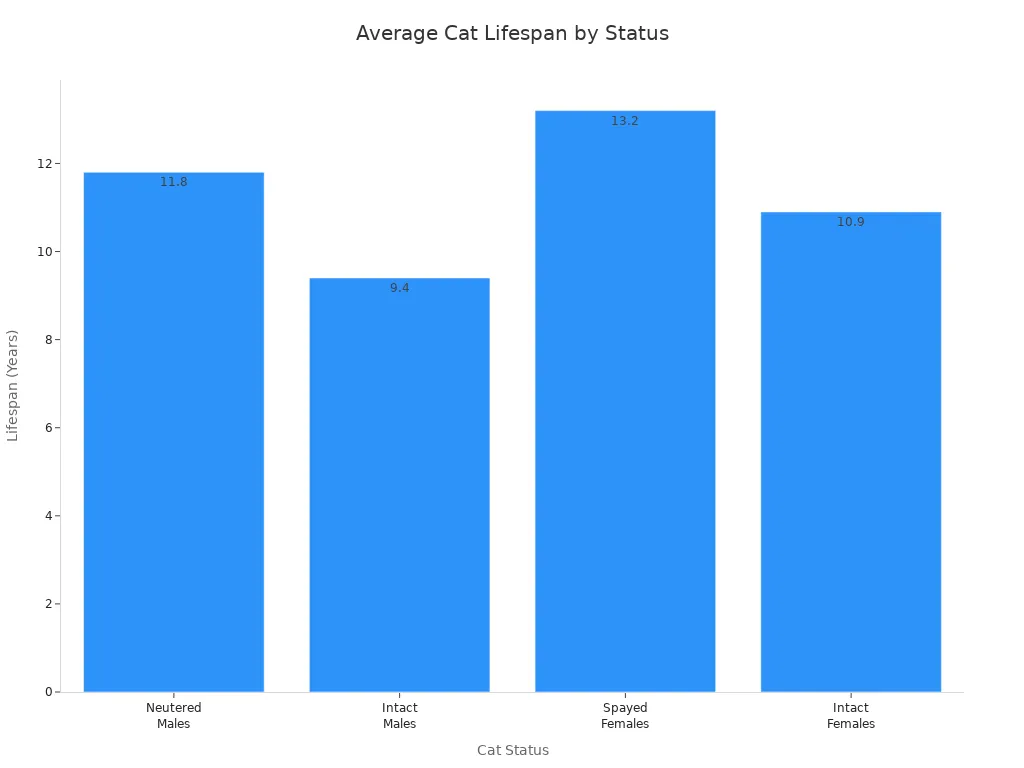
Neutered males live an average of 11.8 years. Intact males live 9.4 years. This increased longevity is partly due to intact males living outdoors more often. This elevates their risk of trauma from aggressive encounters, traffic accidents, and dog attacks. They also face infections and reproductive diseases. Road accidents are a significant cause of death for male cats. Behaviorally, intact male cats often spray. This is generally incompatible with indoor living. Most cat owners desire the behavioral modifications that result from neutering.
Genetic Health Predispositions
Genetics play a role in a cat’s health and life expectancy. Some cat breeds are predisposed to specific diseases.
Disease | Predisposed Breeds |
|---|---|
Polycystic Kidney Disease (PKD) | Persians, Persian-related breeds |
Pyruvate Kinase (PK) Deficiency | Abyssinians, Somalis |
Progressive Retinal Atrophy (PRA) | Persians, Bengals, Abyssinians |
Hypertrophic Cardiomyopathy (HCM) | Maine Coon, Ragdoll, Persian, British Shorthair, Sphynx, Chartreux |
Polycystic Kidney Disease (PKD) affects Persians and related cat breeds. Pyruvate Kinase (PK) Deficiency is seen in Abyssinians and Somalis. Progressive Retinal Atrophy (PRA) affects Persians, Bengals, and Abyssinians. Hypertrophic Cardiomyopathy (HCM) is common in Maine Coon, Ragdoll, Persian, British Shorthair, Sphynx, and Chartreux cats. Awareness of these predispositions helps owners monitor their cat’s health. Early detection and management of these conditions can improve a cat’s quality of life and potentially extend its life expectancy.
Extending Your Cat’s Life
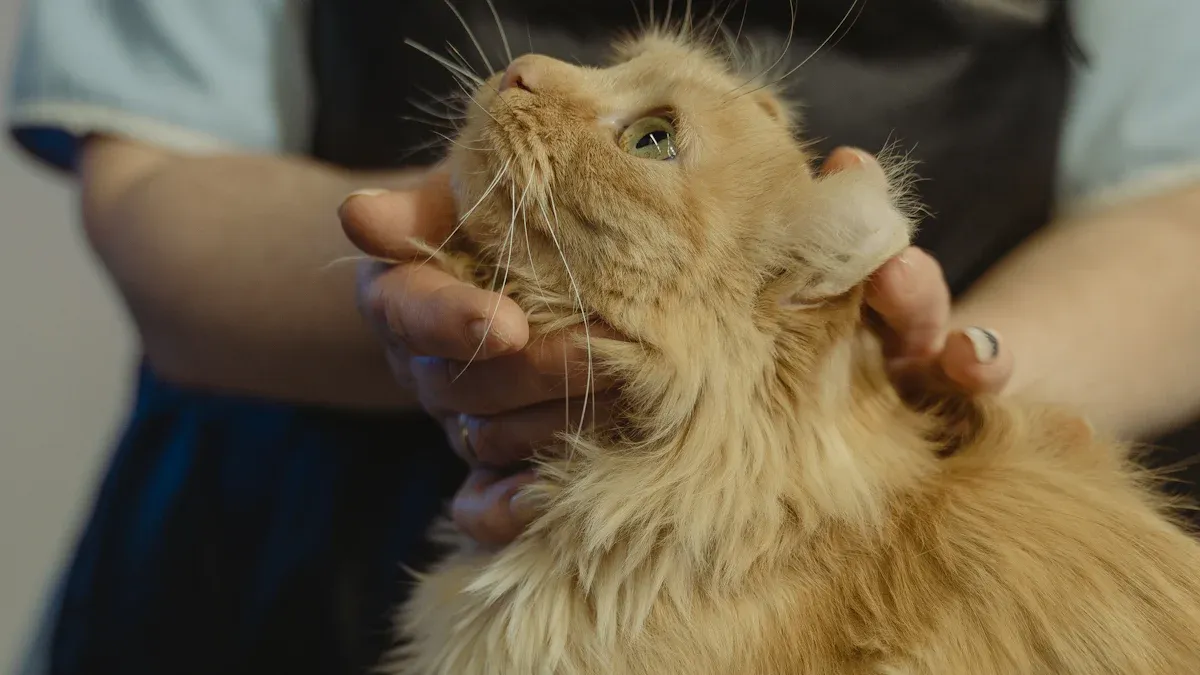
Owners play a vital role in helping their feline companions live long, healthy lives. Providing excellent care can significantly extend a cat’s time with its family.
Preventive Health Measures
Regular vaccinations protect cats from serious diseases. These core vaccines are crucial for all cats. They include protection against feline distemper (Panleukopenia), a highly contagious and often fatal virus. Vaccinations also cover calicivirus and rhinotracheitis (feline herpesvirus), which cause respiratory infections. Rabies vaccination is also essential and often legally required. These preventive measures help cats avoid common and dangerous illnesses.
Creating a Safe Environment
A safe home environment prevents many accidents and exposures. Owners must remove toxic items from a cat’s reach. Onions, garlic, and chocolate are harmful. Raisins and grapes can cause kidney failure. Xylitol, a sugar substitute, is also very dangerous. Many common plants, like lilies, are highly toxic and can cause severe kidney failure. Human medications, such as ibuprofen and acetaminophen, are deadly for cats. Household cleaners and essential oils also pose significant risks. Keeping these items away from cats helps ensure their safety.
Early Illness Detection
Observing a cat’s behavior helps detect illness early. Changes in appetite or weight, such as refusing to eat or sudden weight loss, are warning signs. Lethargy or hiding more than usual also indicates a problem. Owners should watch for changes in litter box habits, like urinating outside the box or straining. Frequent vomiting, beyond normal hairballs, or diarrhea needs attention. Poor coat condition, bad breath, or breathing changes are also important indicators. Early detection of conditions like chronic kidney disease (CKD) significantly improves a cat’s prognosis. Cats diagnosed with CKD in stages one or two can live for many years with proper treatment. This proactive approach helps ensure a cat enjoys the longest living cat breeds’ potential.
Owners largely determine a cat’s lifespan. While a cat lifespan chart offers a guideline, genetics are not the sole determinant. Responsible pet ownership is crucial for all cats, regardless of breed. This includes proper nutrition, consistent veterinary care, and a safe environment. These factors significantly influence a cat’s life expectancy. Use this information as motivation to provide the best care for your feline companion. A long, healthy life together is a rewarding experience for both cat and owner, fulfilling the potential of each cat.