


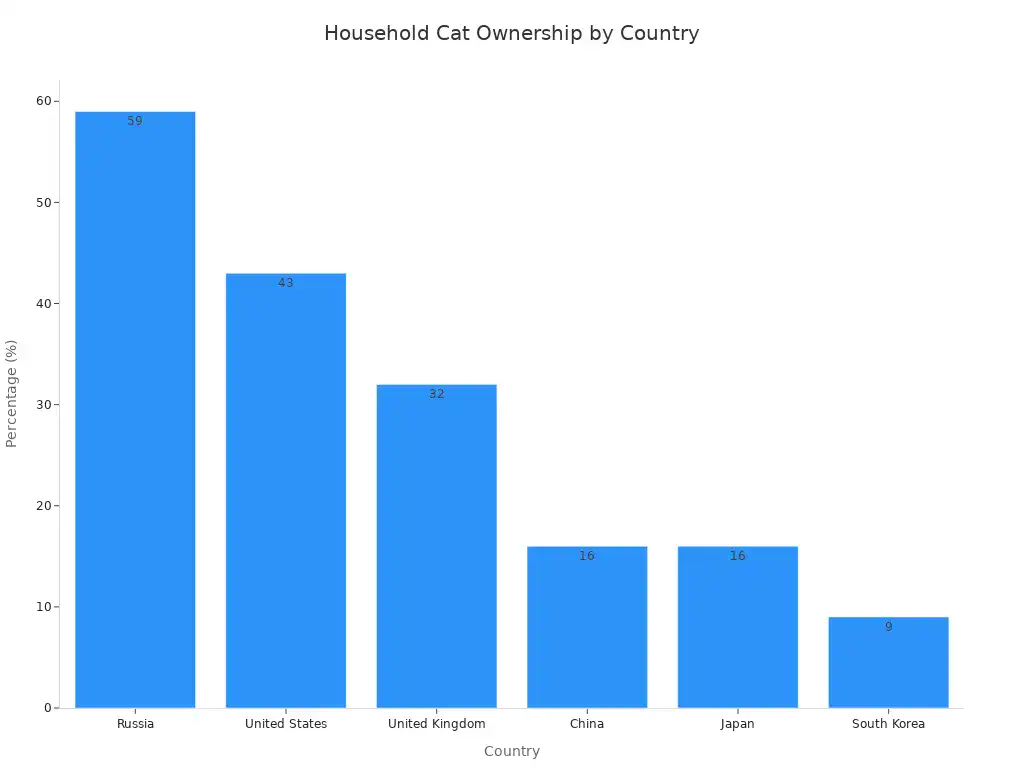
Kittens possess undeniable charm. Their playful antics often make you consider bringing one home. Are you truly ready for the full pros and cons experience of owning a kitten? Many households globally already welcome feline friends.
While kittens bring immense joy and companionship, they also come with significant responsibilities and challenges. You must consider both delightful aspects and practical realities before making a decision. This discussion helps you assess your readiness for kitten ownership.
Key Takeaways
Kittens offer great companionship and emotional support. They bring joy and reduce stress.
Kittens need a lot of time and money. You must pay for food, vet visits, and supplies.
Kittens can be destructive. They need training to use scratching posts and toys.
You must keep your kitten safe. Remove harmful items from your home.
Owning a cat is a long-term commitment. They need care for many years.
Pros of Owning a Kitten
Bringing a kitten into your home offers many wonderful benefits. These tiny furballs enrich your life in surprising ways. You will find joy and comfort in their presence.
Unconditional Companionship
A kitten offers you constant, unwavering companionship. They greet you at the door. They curl up beside you on the couch. This presence reduces feelings of isolation. Your kitten provides a sense of belonging and security. They give you unconditional love. Many pet owners report their pets provide unconditional love and support. This makes you feel truly valued. Your kitten becomes a true friend.
Kitten Playfulness and Energy
Kittens bring endless entertainment. Their playful antics brighten your day. You will laugh watching them chase toys. They pounce on imaginary prey. Kittens have tons of energy. This energy is infectious. You will find yourself engaging in active play sessions. This interaction strengthens your bond. A playful kitten keeps you active and smiling.
Emotional Support and Stress Relief
Your kitten offers significant emotional support. Interacting with a cat can lower your stress levels. Petting a purring cat releases endorphins. This reduces anxiety. Many pet owners find their pets offer a calming presence. They report their pets help reduce stress and anxiety. Pets also provide a sense of purpose. You care for them daily. This routine benefits your mental well-being. Mental health providers note pets help children discuss their feelings. Organizations like the Association of Animal-Assisted Intervention Professionals (AAAIP) train people to integrate pets into therapy.
Suitability for Small Spaces
A kitten adapts well to various living situations. They are especially suitable for smaller homes or apartments. You do not need a large yard for a cat. They get their exercise indoors. You can provide climbing structures and toys. This keeps them stimulated. A cat can thrive in a cozy environment. Owning a cat means you can enjoy pet companionship even with limited space.
Cons of Adopting a Kitten
Bringing a kitten into your home also presents challenges. You must understand these difficulties before you commit. This section helps you prepare for the less glamorous aspects of owning a kitten.
Financial Costs of Kitten Ownership
You will face significant financial costs when you adopt a kitten. These expenses go beyond the initial adoption fee. You need to budget for food, veterinary care, and supplies.
Consider the annual costs for owning a cat:
Category | Annual Cost Range |
|---|---|
Food and Treats | $730 – $1,460 |
Veterinary Care (Routine) | $100 – $200 |
Wellness Plan | $540 |
Litter and Litter Boxes | $300 – $600 |
Flea and Tick Prevention | $120 |
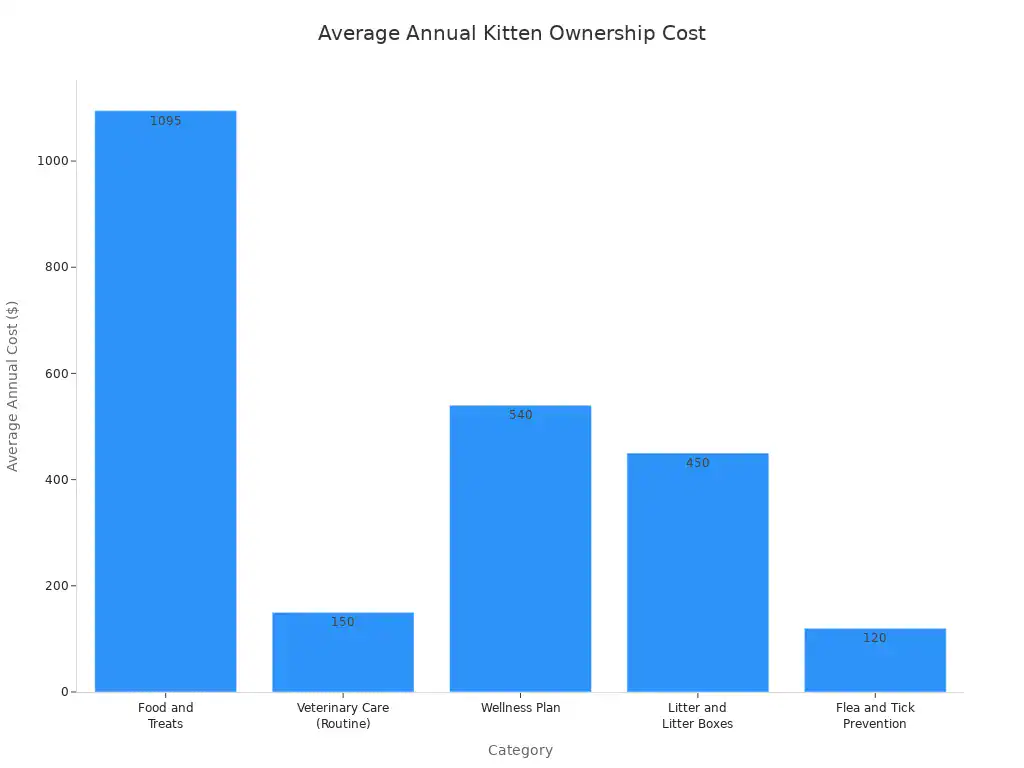
The total estimated annual cost of owning a cat ranges from $1,890 to $3,520. This covers essential needs for your feline friend.
You also have initial veterinary costs. These are higher in the first year. They include vaccinations and spay/neuter surgery.
Males: ~$600
Females: ~$750 (due to higher spay costs)
This estimate covers important services:
Vaccines
Feline leukemia and feline immunodeficiency virus tests
Deworming
Microchip
Spay or neuter surgery
The cost for spay/neuter surgery varies.
Service | Low-cost general public | Targeted zip code | Medical card AND targeted zip code |
|---|---|---|---|
Cat Spay/Neuter Surgery | $150 | $80 | $70 |
1 Year Rabies Vaccine | $33 | $20 | N/A |
3 Year Rabies Vaccine | $75 | $50 | N/A |
Distemper (FVRCP) Vaccine | $33 | $20 | N/A |
Feline Leukemia Vaccine | $33 | $20 | N/A |
Microchip | $20 | $20 | N/A |
General Dewormer | $5 | $5 | N/A |
At a private veterinary hospital, spaying a cat costs $300 to $500. A shelter or low-cost clinic may charge $25 to $150 or more.
Time and Training Demands
Kittens require significant time and effort. You must dedicate time to their care and training a kitten. This includes playtime, feeding, and litter box management.
You need to teach your kitten good habits. Litter box training is crucial.
Place your kitten in the litter box to explore. Do not move the box once you establish its location.
Put your kitten in the litter box after meals and naps. This encourages regular elimination.
Confine your kitten to a small area, like a bathroom, until they consistently use the litter box.
Be patient and use positive reinforcement. Avoid punishing accidents. Use treats and praise when your kitten uses the box correctly.
Check litter box conditions if problems arise. Ensure the box is large enough. Consider covered or uncovered options. Use unscented, fine-textured litter. Place the box in a quiet area. Provide multiple boxes if you have more than one cat. Scoop at least once daily.
Destructive Behavior
Kittens have boundless energy. They explore their world with their claws and teeth. This can lead to destructive behaviors. They might scratch furniture or chew on household items.
You can prevent destructive behavior with enough play. Kittens need frequent, short play sessions. These sessions help them burn energy and develop coordination. Kittens and young cats benefit from several short play sessions, typically 10–15 minutes each, throughout the day.
Playing with your kitten helps reduce unwanted behaviors. It prevents scratching due to boredom or a need for attention. Training a kitten to use scratching posts is also vital.
Scratches and Bites
Kittens often bite and scratch during play. They are not trying to hurt you. They practice their natural predatory instincts. They learn how to use their bodies, claws, and teeth.
Kittens who did not grow up with their mother or siblings may show more play aggression. They missed learning appropriate play boundaries.
A lack of physical and mental enrichment can make play aggression worse.
You might unintentionally reinforce the behavior. Giving attention, even negative attention, to biting and scratching can encourage it.
You can redirect this behavior. Offer appropriate toys for biting and scratching. Avoid using your hands as toys. This teaches your cat what is acceptable to bite.
Daily Life with a Kitten
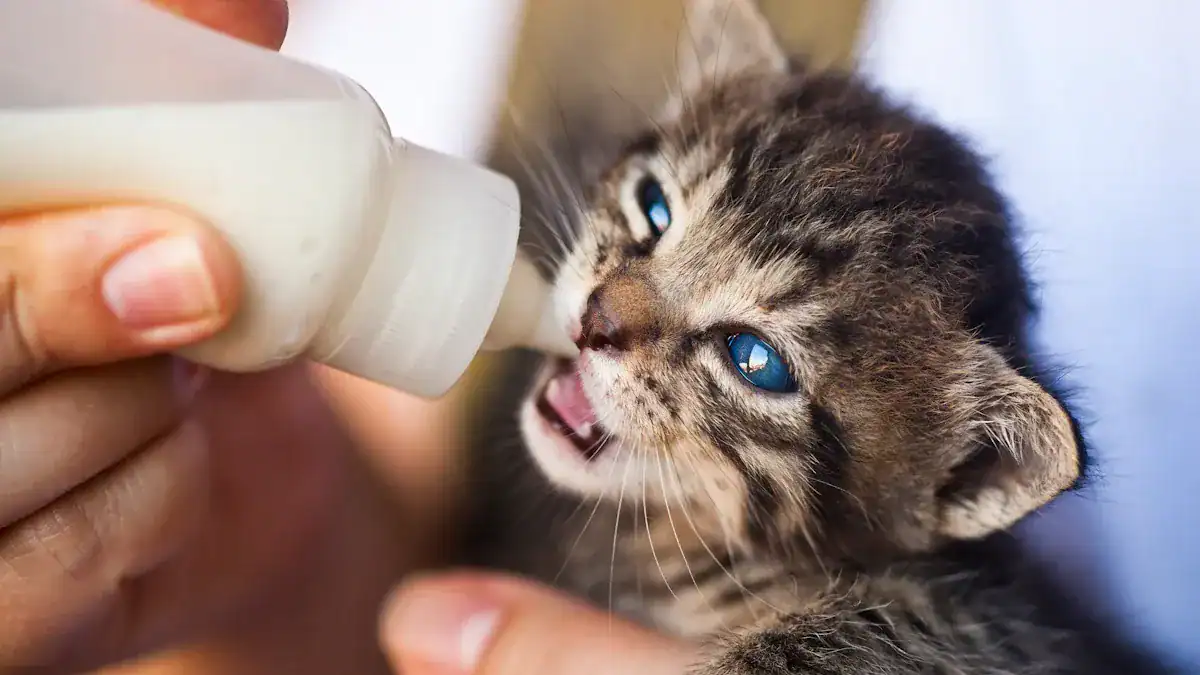
Bringing a kitten home means you take on daily routines. You must manage their care and needs. This ensures your new companion thrives.
Feeding and Nutrition
Your growing kitten needs proper nutrition. Kittens require specific nutrients for healthy development. Protein should make up 30-40% of their daily calories. High-quality sources like lean meats provide this. Carbohydrates, from whole grains, should be 30-40%. Fats, from healthy sources like fish oil, provide 20-30% of calories. Kittens aged 2-6 months need 3-4 meals per day. This gradually reduces to 2-3 meals as they approach 6 months. They need higher protein and fat than adult cats. This supports their rapid growth. Calcium is also vital for skeletal development. AAFCO guidelines recommend a minimum of 1% calcium for kittens.
Litter Box Management
You must maintain a clean litter box. A clean box encourages good habits. Scoop the litter box at least once daily. This keeps the area hygienic. Ensure the litter box is large enough for your kitten. Place it in a quiet, accessible location. Your cat will appreciate a consistent routine.
Grooming Needs
Grooming keeps your kitten healthy and happy. Introduce grooming gradually. Start by gently handling their paws and ears. Regular brushing prevents tangles and mats. It also strengthens your bond. Nail trimming is crucial. You must learn to trim only the sharp tip of the nail. Avoid cutting the quick, the pink part containing nerves. Keep styptic powder nearby for safety. Use positive reinforcement with treats. You can also clean their ears and brush their teeth. This maintains overall health for your cat.
Creating a Safe Environment
Your home must be safe for a curious kitten. Many common household items are toxic. Lilies are highly dangerous to kittens. Even a small amount can cause severe kidney failure. Keep household cleaners, human antidepressants, and alcohol out of reach. Foods like chocolate, onions, garlic, and grapes are also harmful. Xylitol, a sugar substitute, is very toxic. Always check for potential hazards. This protects your cat from accidental poisoning.
Health and Long-Term Kitten Care
You commit to your kitten’s well-being for many years. You must understand their health needs. You also need to plan for their future.
Health Considerations
Kittens face various health challenges. Feline Leukemia Virus (FeLV) is an incurable disease. It affects the immune system. It causes cancers and blood disorders. Kittens are very susceptible. They often get it from their mother. Feline Immunodeficiency Virus (FIV) is another incurable disease. It spreads through cat bites. It can also pass from mother to kitten. Feline Infectious Peritonitis (FIP) is serious. It is often fatal. It comes from a mutated feline coronavirus. Kittens and young cats are vulnerable. Their immune systems are still developing.
Some kittens are born with conditions. Hydrocephalus is “water on the brain.” It blocks fluid outflow. Symptoms include a dome-shaped skull. Cardiac conditions are rare. They affect 1-2% of kittens. Eyelid defects can appear early. Entropion means eyelids turn inward. Intestinal worms are prevalent. Hookworms, tapeworms, and ringworms are common. Fleas can cause anemia in small kittens. Ear mites infest kitten ears. These issues can prevent your kitten from being healthy. You must monitor your kitten closely. You must seek veterinary care for a healthy future.
Lifespan Commitment
Owning a cat means a long-term commitment. Indoor cats can live seventeen years or even longer. They generally have longer lifespans. They are safe from common outdoor dangers. They also receive good nutrition. You commit to many years of care for your cat. This includes daily feeding. It includes playtime. It includes regular vet visits. You provide a loving home for their entire life.
Adapting to a Cat’s Growth
Your kitten will grow quickly. You will see them change from a tiny furball to a full-grown cat. Their needs will evolve. You must adjust their diet. You must also adjust their play. A healthy adult cat still needs your attention. They need mental stimulation. They need physical activity. You must provide scratching posts. You must offer climbing structures. This keeps your cat happy and healthy.
Travel and Pet Sitting
Sometimes you need to travel. You must plan for your cat. Pet sitting is an option. You can also take your cat with you. Traveling with pets has rules. You need a microchip. It must be ISO-compliant. You need up-to-date rabies vaccines. A health certificate is also necessary. It comes from a specialized veterinarian. Country-specific rules apply. They include blood tests or import permits. Airlines have policies for pet transport. You need an IATA-compliant travel crate. This ensures your cat travels safely.
Making the Decision: Is a Kitten Right for You?
You must carefully consider your readiness for a new family member. A kitten brings joy, but also significant responsibility. Evaluate your situation before you commit.
Assessing Your Lifestyle
Think about your current lifestyle. Do you travel often? Do you work long hours? A kitten needs consistent attention and care. They thrive on routine. Your home environment also matters. Do you have other pets? Do you have young children? These factors influence a kitten’s adjustment. Ensure your lifestyle can accommodate a playful, energetic companion.
Evaluating Financial Readiness
You must be financially prepared for a kitten. We discussed the costs earlier. These expenses include food, vet visits, and supplies. Unexpected medical issues can also arise. You need a budget for these possibilities. Owning a cat requires a long-term financial commitment. You provide for your cat’s needs throughout its life.
Understanding the Time Investment
Kittens demand a lot of your time. They need feeding, cleaning, and playtime. This is a daily commitment.
Feeding:
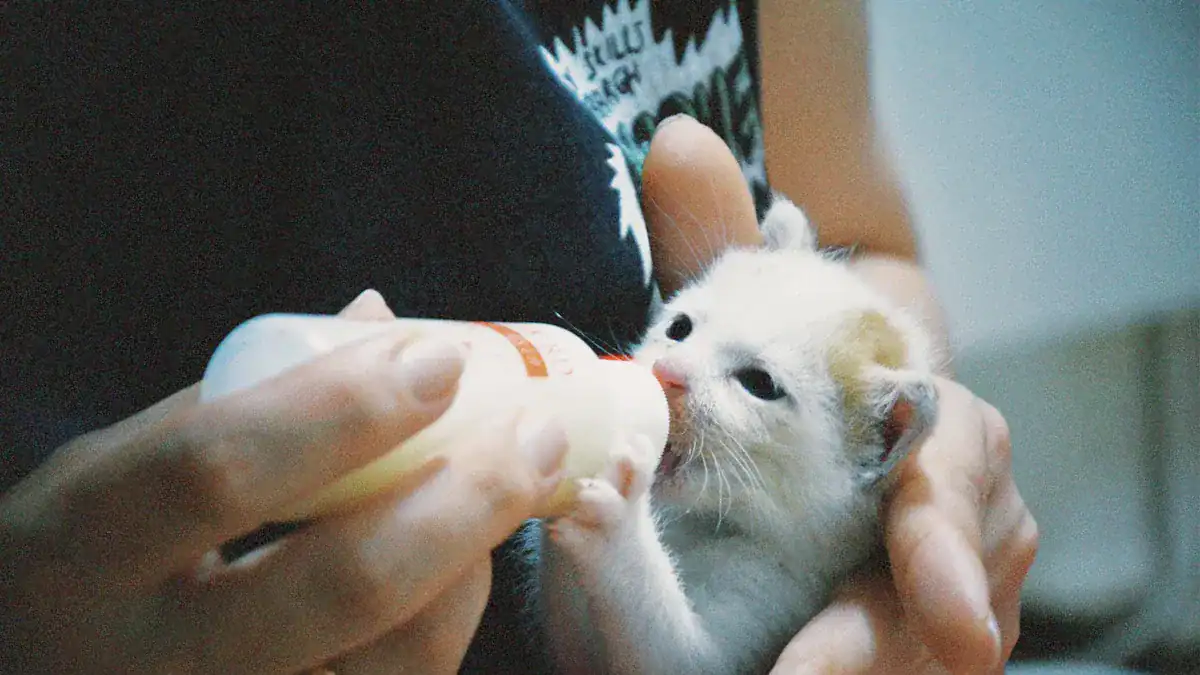
Weeks 1-4: Bottle-feed frequently, then introduce gruel and kibble.
Weeks 5-8: Dry food, wet food, and water are continuously available. Offer fresh wet food 2-3 times daily.
Cleaning:
Scoop the litter box at least twice daily.
Replace water in the water dish twice daily.
Every other day, clean the litter box with mild detergent and add fresh litter.
Playing:
Play with kittens several times a day. Use interactive toys. This provides stimulation, encourages socialization, and releases energy.
This daily routine ensures your kitten’s health and happiness.
Considering Adult Cats
Perhaps owning a kitten is not right for you. Consider adopting an adult cat instead. Adult cats often have established personalities. You know what to expect. They may require less intensive training. Many adult cats in shelters need loving homes. They can offer just as much companionship and joy. An adult cat can be a wonderful addition to your family.
Owning a kitten is a significant decision. It brings profound rewards and considerable responsibility. You have explored the pros and cons. This highlights the balance between joy and challenge. The right choice depends on your individual circumstances. It reflects your lifestyle and commitment level. Be honest with yourself about your capacity. You must provide a loving, safe, and stimulating environment for a cat. A deep bond forms with your feline companion. This happens with careful consideration and preparation. You become a great cat owner.
FAQ
What essential supplies do I need for a new kitten?
You need a litter box, litter, food and water bowls, and high-quality kitten food. Get a scratching post, toys, and a comfortable bed. A carrier for vet visits is also important. These items help your kitten settle in.
What is the best way to introduce a kitten to other pets?
Introduce your kitten slowly. Keep them in separate rooms initially. Allow them to smell each other under a door. Supervise short, positive interactions. Reward calm behavior with treats. Patience helps everyone adjust.
What are common signs of a sick kitten?
Watch for changes in appetite or energy levels. Vomiting, diarrhea, or difficulty breathing are serious signs. Hiding, excessive meowing, or unusual discharge from eyes or nose also indicate illness. Contact your vet promptly.
What kind of food should I feed my kitten?
Feed your kitten high-quality kitten-specific food. This food provides necessary nutrients for growth. Look for brands meeting AAFCO standards. You can choose wet or dry food, or a combination. Always provide fresh water.