


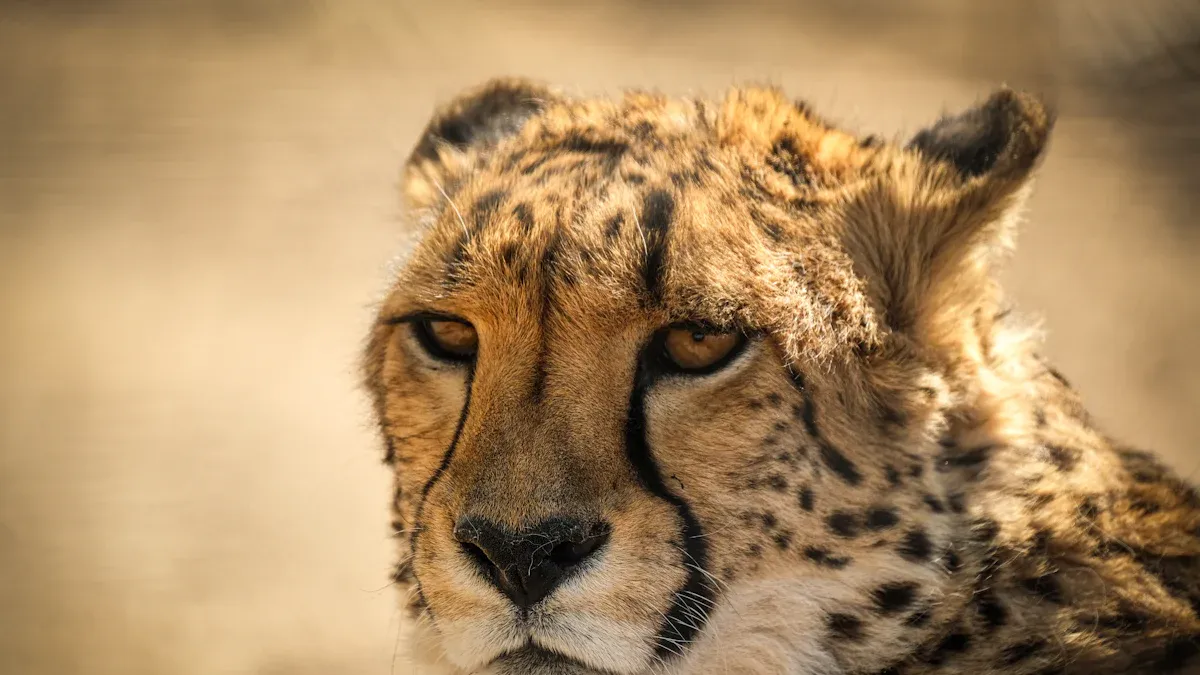
Top predators play a crucial role in maintaining the balance of ecosystems. You may not realize it, but their presence or absence can significantly influence biodiversity. For example, when apex consumers are removed, herbivory often increases. This leads to reduced plant recruitment and shifts in community composition. In places like the Scottish island of Rùm, the absence of predators has resulted in a transition from lush forests to barren landscapes. Understanding these dynamics helps you appreciate the intricate web of life that top predators support.
Key Takeaways
Top predators are essential for maintaining ecosystem balance. Their presence controls prey populations and supports biodiversity.
Removing apex predators can lead to overpopulation of herbivores. This overpopulation can cause habitat degradation and loss of plant diversity.
Trophic cascades illustrate how changes at the top of the food chain affect lower levels. Understanding these effects is crucial for ecosystem management.
Successful reintroduction of top predators can restore ecological balance. This process requires careful planning to avoid human-wildlife conflicts.
Valuing top predators contributes to healthier ecosystems. Their role in regulating species helps maintain biodiversity and ecosystem stability.
Importance of Top Predators
Defining Top Predators
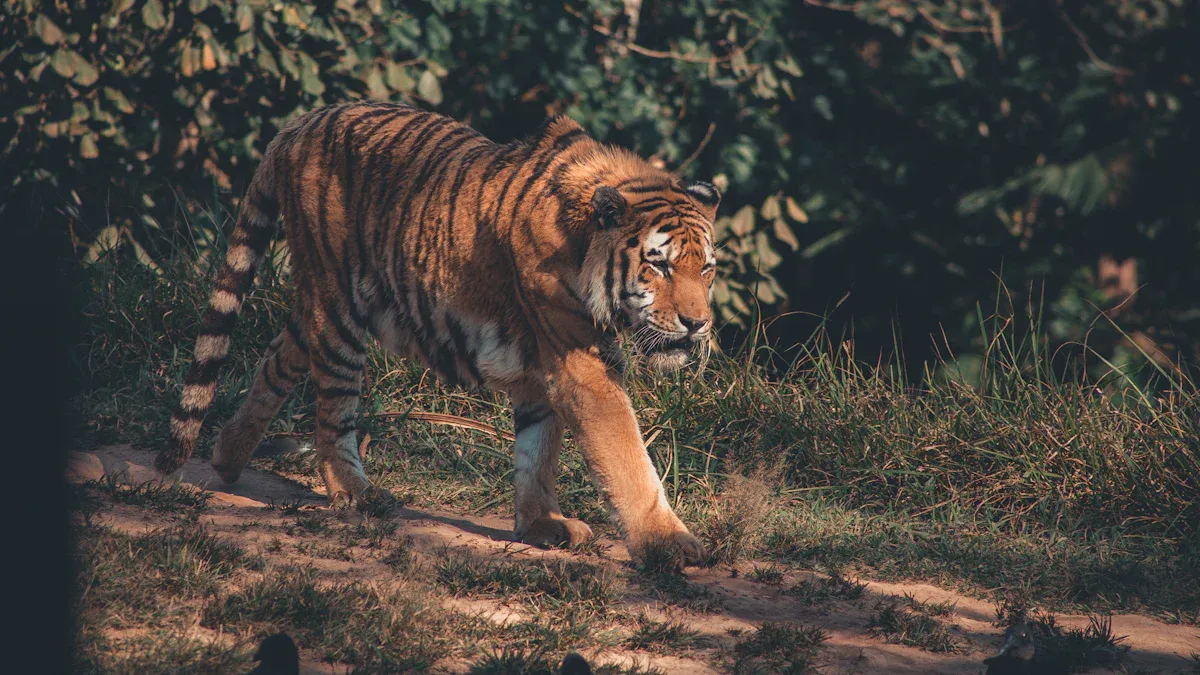
Top predators, often referred to as apex predators, hold a unique position in ecosystems. They sit at the top of the food chain and have few, if any, natural enemies. Their role is critical for maintaining the balance of various ecosystems. Here are some widely accepted definitions of top predators:
They control smaller predators and prey.
Their removal can cause significant damage to food chains.
The concept of ‘trophic cascades’ illustrates the profound effects they have on food chains.
Ecological Roles
Top predators play several essential roles in their environments. They regulate prey populations, which helps maintain a healthy balance in ecosystems. Here are some key mechanisms through which they exert their influence:
Mechanism | Description |
|---|---|
Top-down Regulation | Top carnivores control prey populations, influencing species at lower trophic levels. |
Competitive Exclusion | Predators moderate competition among similar species, preventing one from outcompeting others. |
Trophic Cascades | Changes in predator populations affect multiple trophic levels, leading to significant ecological impacts. |
Numerical Release | The absence of predators can lead to population booms in prey species, which may degrade habitats. |
Behavioral Release | Prey species may behave more boldly without predators, potentially harming their environment. |
Mesopredator Release | Smaller carnivores may increase in number and predation when larger predators are removed. |
The presence of top predators also influences the behavior of prey species. For example, when apex predators are present, prey animals often exhibit cautious behavior. This reduced grazing pressure allows vegetation to recover, supporting biodiversity. Conversely, the loss of apex predators can lead to ecological imbalances, such as overgrazing and decreased biodiversity.
Trophic Cascades
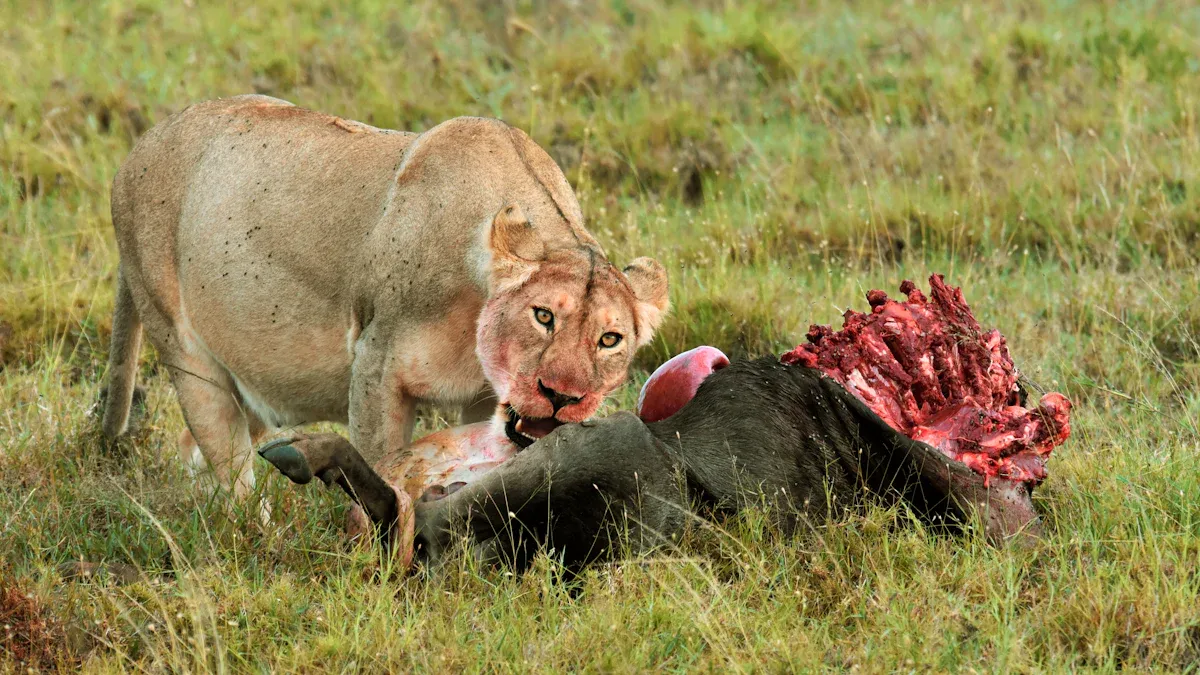
Trophic cascades are fascinating ecological phenomena. They occur when changes at the top of the food chain ripple down through various levels of the ecosystem. When you remove or add top predators, you can trigger significant shifts in species populations and community structures. This concept aligns with the foundational ideas presented by ecologist Robert Paine, who emphasized the importance of predator interactions in maintaining ecosystem balance.
Examples of Trophic Cascades
One well-known example involves the sea otter in the Aleutian Islands. When sea otters are present, they keep sea urchin populations in check. This control allows kelp forests to thrive, supporting diverse marine life. However, in areas where sea otters are absent, sea urchin populations explode, leading to barren seafloors devoid of kelp. This illustrates how top predators can influence multiple trophic levels and maintain ecosystem health.
Another example comes from a tropical wet forest. Here, the introduction of a predatory clerid beetle reduced the population of a predatory ant. This change led to increased herbivory, which ultimately decreased plant diversity. Such cascading effects highlight the interconnectedness of species within ecosystems.
Effects on Biodiversity
Trophic cascades significantly impact biodiversity. Research shows that the removal of top predators can lead to species extinctions and reduced community biomass. This decline threatens ecosystem stability. The strength of these cascades varies among ecosystems, with some showing extensive impacts across multiple trophic levels. Understanding these dynamics is crucial for effective ecosystem management.
Empirical studies reveal that top predators enhance species richness and ecosystem diversity. For instance, when top predators reduce the density of intermediate predators, prey populations can flourish. This increase in prey diversity benefits the entire ecosystem. Therefore, recognizing the role of top predators in trophic cascades is essential for preserving biodiversity and maintaining healthy ecosystems.
Case Studies of Top Predators
Wolves in Yellowstone
Wolves are a prime example of how top predators can shape ecosystems. Their reintroduction to Yellowstone National Park in 1995 aimed to restore native species and reestablish their ecological role. The impact of wolves on the park’s ecosystem has been profound.
Here’s a summary of key aspects regarding wolves in Yellowstone:
Aspect | Evidence |
|---|---|
Reintroduction Year | 1995 |
Purpose | Restore native species and reestablish ecological role of predation |
Impact on Elk Population | Initially, wolves played a small role in elk dynamics; now, they are part of a broader predator community influencing elk regulation. |
Influence on Biodiversity | Wolves’ return boosted biodiversity and restored predator-prey interactions. |
Role in Food Web | Wolves affect scavenger communities and vegetation, including willow and aspen. |
Visitor Attraction | Wolves contribute to the park’s appeal, attracting visitors globally. |
Key Reports | The 1963 Leopold Report and the 1973 Endangered Species Act were pivotal in the reintroduction efforts. |
The reintroduction of wolves has changed herbivore behavior, especially in elk. Elk began to avoid areas where wolves hunt, allowing vegetation in riparian zones to recover. This recovery has led to increased growth of aspen, cottonwoods, and willows. As a result, you can see a rise in riparian bird species, showcasing the top-down effects of wolves on the ecosystem.
Sharks in Marine Ecosystems
Sharks also serve as vital top predators in marine environments. Their presence helps maintain the balance of ocean ecosystems. Here are some key roles that sharks play:
Sharks regulate populations of seals, sea lions, and fish, maintaining a balanced food web.
Their presence protects critical habitats like coral reefs, kelp forests, and seagrass meadows by controlling mid-level predator populations.
Sharks influence the movement of grazers, allowing seagrass to regrow and supporting juvenile fish and invertebrates.
They target weak and sick individuals in fish populations, promoting the health and resilience of these populations.
The presence of sharks creates a ‘landscape of fear,’ preventing any one species from dominating and reducing habitat destruction.
Changes in shark populations can lead to significant trophic cascades. For instance, when sharks are removed from coral reefs, populations of their prey can explode. This leads to decreased populations of herbivorous fish, resulting in algae dominance on reefs. Such changes threaten the health of coral ecosystems.
Impacts of Predator Changes
Consequences of Removal
Removing top predators from ecosystems can lead to significant ecological consequences. When you eliminate these apex consumers, you disrupt the balance of the food web. This disruption often results in overpopulation of herbivores, which can lead to overgrazing and habitat degradation. Here are some documented ecological consequences of removing top predators:
Ecological Consequence | Description |
|---|---|
Carbon Storage Changes | Loss of wolves leads to decreased net ecosystem productivity in boreal forests and increased productivity in grasslands due to more grazing by herbivores. |
Biodiversity Loss | Increased herbivore populations result in selective consumption of palatable vegetation, leading to losses in biodiversity. |
Changes in Soil Fertility | Browsing by moose increases conifer dominance and decreases nitrogen return to soil, affecting soil fertility. |
Trophic Cascades | Loss of apex predators triggers cascading effects through lower trophic levels, altering community dynamics. |
For example, the decline of wolves in Yellowstone National Park resulted in over-browsing of aspen and willow trees by elk. This overconsumption led to significant vegetation loss. However, when wolves were reintroduced, you witnessed a remarkable recovery of these plants, demonstrating the importance of top predators in maintaining ecological balance.
Reintroduction Challenges
Reintroducing top predators presents both challenges and benefits. While restoring these species can help rebalance ecosystems, it often requires careful planning and management. Here are some challenges you might encounter during reintroduction efforts:
Ecological Disruption: The absence of top predators can lead to lasting changes in ecosystems that are not easily reversed. For instance, the removal of sea otters led to negative effects on the broader food web due to trophic cascades.
Human-Wildlife Conflict: Reintroducing predators like wolves or bears can lead to increased conflicts with human populations. For example, the brown bear reintroduction in the Pyrenees caused increased attacks on livestock, leading to compensation expenses for farmers.
Behavioral Adaptations: Predators may not behave as expected in their new environments. The reintroduction of Lycaon pictus (African wild dog) did not induce the anticipated trophic cascades in some areas, indicating that local conditions can significantly influence outcomes.
Despite these challenges, successful reintroductions can yield substantial ecological benefits. For instance, a long-term study in Yellowstone showed that the return of wolves transformed the food web and landscape, enhancing biodiversity and ecosystem health.
Understanding the role of top predators is vital for maintaining healthy ecosystems. Their presence influences prey populations and promotes biodiversity. When you remove these apex consumers, you can trigger cascading effects that disrupt the entire food web.
The removal of top predators can lead to increased prey populations, initiating trophic cascades that affect primary producers. This shift in prey dynamics can also influence evolutionary traits, favoring competitive abilities over escape traits when predators are absent.
Recognizing these dynamics helps you appreciate the importance of conservation efforts. Here are some key takeaways:
Human suppression of apex predators can lead to increased herbivore populations, disrupting ecosystem balance.
The loss of apex predators has been linked to mesopredator release, further impacting herbivore populations.
Understanding interactions between humans and apex predators is essential for effective conservation strategies.
By valuing top predators, you contribute to the health of our planet’s ecosystems.
FAQ
What are top predators?
Top predators are species that sit at the top of the food chain. They have few natural enemies and play a crucial role in regulating prey populations and maintaining ecosystem balance.
Why are top predators important?
Top predators help control the populations of herbivores and smaller predators. Their presence promotes biodiversity and supports healthy ecosystems by preventing overgrazing and habitat degradation.
How do trophic cascades work?
Trophic cascades occur when changes at the top of the food chain affect lower levels. For example, removing top predators can lead to increased herbivore populations, which then overconsume vegetation, disrupting the entire ecosystem.
Can removing top predators affect biodiversity?
Yes, removing top predators can lead to a decline in biodiversity. Increased herbivore populations can overgraze plants, resulting in habitat loss and reduced species richness.
What challenges exist in reintroducing top predators?
Reintroducing top predators can lead to ecological disruption and human-wildlife conflict. Additionally, predators may not adapt well to new environments, complicating restoration efforts.
