
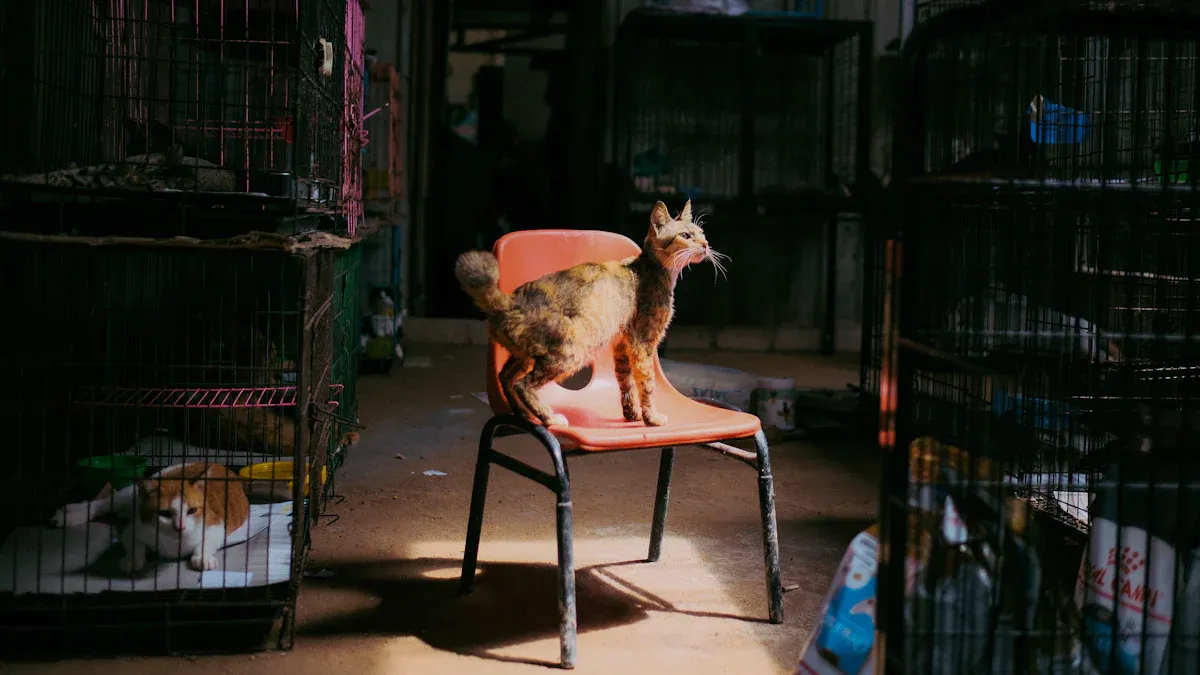
Bringing a Maine Coon home can be an exciting adventure, but there are several factors to think about. These cats are known for their friendly, dog-like personalities, making them ideal companions. They often get referred to as ‘gentle giants’ due to their large size and affectionate nature. If you’re considering adopting a Maine Coon, keep in mind that they thrive on interaction and adapt well to various lifestyles. Whether you choose a playful kitten or an adult Maine Coon, you’ll find that these cats bring joy and warmth to your life.
Key Takeaways
Maine Coons need ample space to thrive. Aim for at least 18 to 20 square feet for them to roam and play.
Regular grooming is essential. Brush your Maine Coon daily to prevent matting and keep their coat healthy.
Be aware of their health needs. Monitor for common issues like obesity and heart conditions to ensure a long, happy life.
Maine Coons thrive on social interaction. Spend time playing and bonding with them daily to meet their emotional needs.
Consider the financial commitment. Budget for food, vet care, and grooming supplies to provide the best care for your Maine Coon.
Space Needs
When considering a Maine Coon, you must think about their space needs. These cats are not just large in size; they also have a playful nature that requires ample room to roam. The recommended minimum living space for a Maine Coon is between 18 to 20 square feet. You can distribute this space across different rooms, as long as your cat can move freely. A spacious environment allows them to explore, play, and engage in their natural behaviors.
Home Size
Maine Coons are one of the largest domestic cat breeds. Their average weight ranges from 10 to 25 pounds, depending on whether they are male or female. This size means they need more space than your average cat. If you live in a small apartment, consider how you can create vertical space with shelves or cat trees. This setup can help meet their space requirements while keeping them entertained.
Outdoor Access
Outdoor access can significantly impact your Maine Coon’s health and happiness. While outdoor environments provide opportunities for exercise, they also come with risks. Here are some important points to consider:
Outdoor Maine Coons face serious health risks, such as feline leukemia and feline AIDS.
They are susceptible to parasites like fleas and ticks, which can lead to health issues.
Indoor living protects them from these potential threats and helps them live longer.
However, outdoor access can also promote physical exercise. Maine Coons love to run, climb, and hunt, which helps prevent obesity. If you want to give your cat outdoor time safely, consider building a catio or using an outdoor enclosure. Some popular options include:
Aivituvin Catio Cat Enclosure: A spacious 28.27ft² area with bridges and sleeping houses.
PawHut Cat Tunnel Outdoor: Versatile tunnels that allow for exploration.
By ensuring your Maine Coon has enough space and safe outdoor access, you can help them thrive in your home.
Grooming Considerations
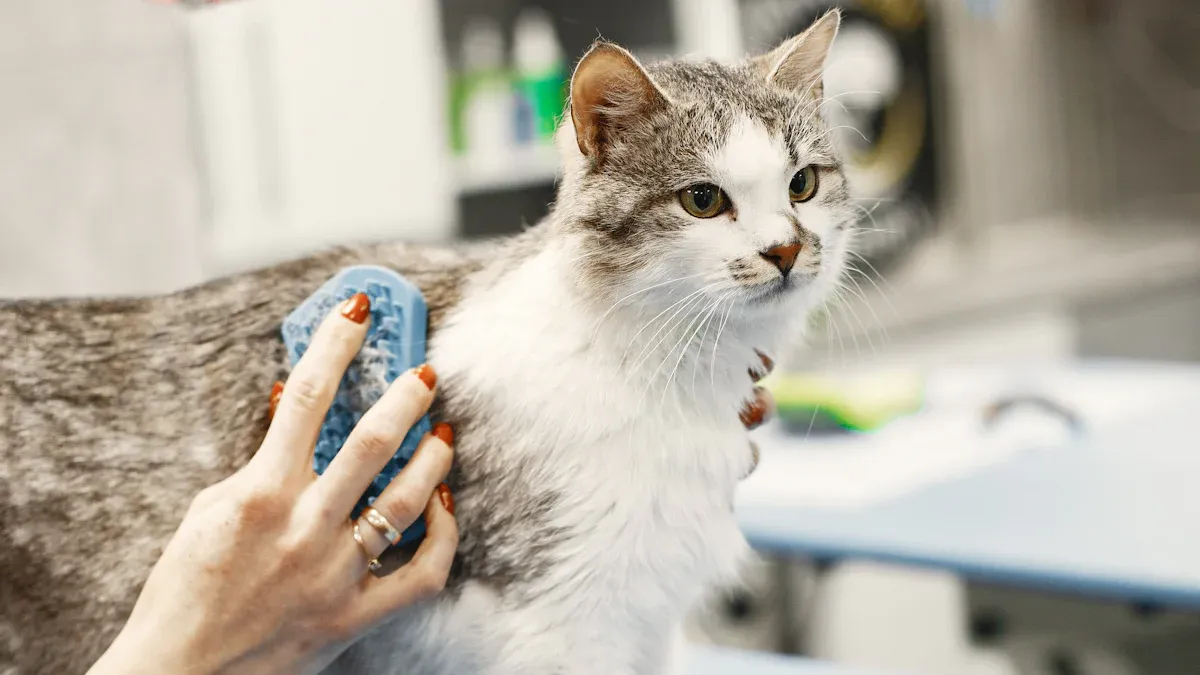
Maine Coons have stunning coats that require regular attention. Their long fur can easily become tangled or matted if you don’t keep up with grooming. You should aim to brush your Maine Coon daily. This practice helps prevent matting and keeps their coat looking soft and shiny. Here are some tips to help you maintain their beautiful fur:
Coat Care
Daily Brushing: Make it a habit to brush your Maine Coon every day. This routine prevents tangling and helps remove loose fur before it can clump or cause hairballs.
Grooming Tools: Use the right tools for effective grooming. Here’s a quick list of recommended tools:
Furminator Undercoat Deshedding Tool: Great for removing loose hair without damaging the topcoat.
Slicker Brush: Perfect for untangling knots and removing dead hair.
Wide-Tooth Comb: Ideal for managing mats, especially around sensitive areas like the ruff and britches.
Maine Coons have a double-layered coat, which means you need to pay special attention to both the dense undercoat and the longer guard hairs. Areas prone to matting include under the armpits, behind the ears, and along the belly.
Bathing Needs
When it comes to bathing, Maine Coons don’t need frequent baths. Typically, you should only bathe them every few months or when they get particularly dirty. Unlike some other long-haired breeds, they maintain their cleanliness quite well on their own. However, if you notice any dirt or odors, a bath can help refresh their coat.
Health and Diet Factors
When you bring a Maine Coon home, you need to pay attention to their health and diet. These cats have some unique needs that can affect their overall well-being. Understanding common health issues and providing a proper diet can help ensure a long and happy life for your furry friend.
Common Health Issues
Maine Coons are prone to certain health conditions. Here’s a quick overview of the most prevalent issues:
Health Issue | Description |
|---|---|
Hypertrophic Cardiomyopathy (HCM) | A thickening of the heart muscle that can lead to serious health problems, often detected through a heart murmur during a physical exam. |
Obesity | Excess weight can lead to various diseases such as arthritis and diabetes, significantly impacting a cat’s lifespan and overall health. Approximately 20-25% of Maine Coons are affected by obesity. |
Dental Disease | A common chronic issue in cats that can lead to serious infections and even tooth loss if not managed properly. |
Being aware of these health considerations can help you take proactive steps to keep your Maine Coon healthy.
Nutritional Requirements
Maine Coons have a strong appetite, which can lead to obesity if not managed. To maintain their health, it’s essential to measure their food and feed them twice daily. A high-quality diet is crucial for their overall well-being. You might also consider incorporating a specialized nutritional powder designed to support various aspects of health. This can help ensure they get the right nutrients to thrive.
By focusing on these health and diet factors, you can provide the best care for your Maine Coon. Remember, a healthy diet and regular vet check-ups can significantly impact their lifespan and quality of life.
Social Traits
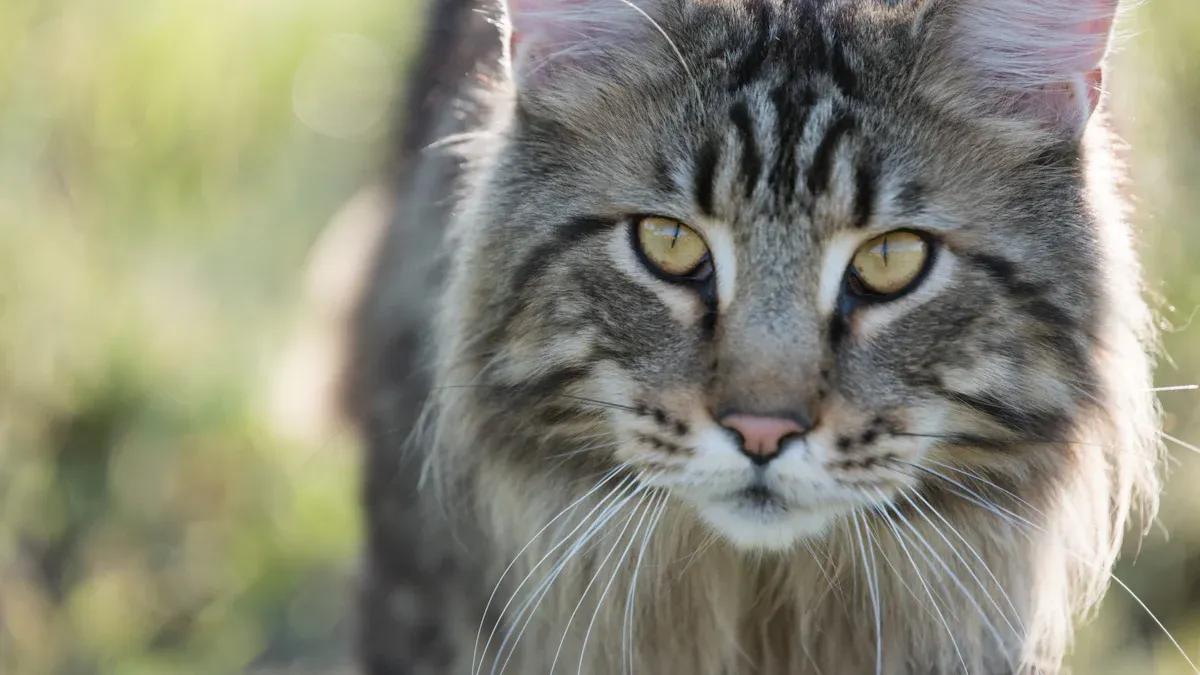
Maine Coons are known for their friendly and adaptable nature. These gentle giants thrive on social interaction and form strong bonds with their human companions. If you’re considering bringing one home, be prepared for a cat that loves to be part of the family.
Interaction with Humans
Maine Coons are gentle-mannered and easy to get along with. They have a laid-back attitude, making them great companions for both kids and adults. Here are some key points about their interactions:
They tend to be calm and affectionate, often seeking out your attention.
Maine Coons generally show more affection toward adults than young children. However, early socialization can help them bond better with kids.
Their strong personalities mean they enjoy being involved in family activities, whether it’s lounging on the couch or playing with toys.
If you have children, keep in mind that Maine Coons may show less interest in being affectionate with them unless they’ve been socialized from a young age. This is an important factor to think about when assessing how they’ll fit into your family dynamic.
Compatibility with Other Pets
When it comes to integrating with other pets, Maine Coons usually do quite well. Their friendly and sociable nature leads to a good success rate in multi-pet households. Here’s what you should know:
They are generally sociable and friendly towards other cats.
While they may show some territorial behavior initially, they can coexist harmoniously with proper introductions.
Maine Coons often form bonds with other pets, leading to playful interactions and companionship.
For example, many owners report that their Maine Coons become great friends with other cats, sharing moments of grooming and play. Just like Bertie and Telulah, who touch noses and groom each other, your Maine Coon can develop strong friendships with other pets in your home.
By understanding these social traits, you can ensure that your Maine Coon will fit well into your lifestyle and family.
Commitment to Care
Caring for a Maine Coon is a long-term commitment that requires your attention and effort. These cats can live between 12 to 15 years, with many reaching their high teens or even twenties. This means you need to plan for their care over many years. Regular veterinary checkups, high-quality nutrition, and safe indoor living conditions are essential for enhancing their lifespan.
Daily Interaction Needs
Maine Coons thrive on social interaction. You should set aside time each day to bond with your cat. Here are some ways to meet their interaction needs:
Playtime: Engage in interactive play with toys like feather wands or laser pointers. This keeps them active and mentally stimulated.
Training Sessions: Use positive reinforcement to teach commands like “come” and “sit.” Reward them with treats and praise to create a strong bond.
Cuddle Time: Maine Coons love to snuggle. Spend time on the couch or bed with them to strengthen your connection.
By dedicating time to these activities, you’ll help your Maine Coon feel loved and secure.
Long-Term Commitment
Owning a Maine Coon isn’t just about the fun moments; it’s also about the responsibilities that come with it. You need to be prepared for the long haul. Here are some key points to consider:
Routine Care: Regular grooming and health check-ups are vital. Their beautiful coats require daily brushing to prevent matting.
Understanding Their Needs: Maine Coons have unique personalities and instincts. Recognizing their hunting behaviors and social needs will help you provide a fulfilling environment.
Financial Planning: Budget for food, vet visits, and grooming supplies. Quality care can be an investment, but it’s worth it for your furry friend.
By committing to these aspects of care, you’ll ensure a happy and healthy life for your Maine Coon.
Financial Considerations
When you think about bringing a Maine Coon into your home, you need to consider the financial aspects. Owning a cat is a long-term commitment that comes with both initial and ongoing costs. Understanding these expenses can help you budget effectively and ensure you provide the best care for your new furry friend.
Adoption Costs
The first step in your financial journey is the adoption fee. This fee can vary based on where you adopt your Maine Coon. Here’s a quick breakdown of what you might expect:
Adoption fees from reputable breeders typically range from $150 to $500.
If you choose to adopt from a shelter, fees usually range from $100 to $400.
Some shelters may even offer lower fees, sometimes between $0 to $400.
These costs are just the beginning of your financial commitment.
Ongoing Expenses
Once you bring your Maine Coon home, you’ll face ongoing expenses that can add up quickly. Here are some key areas to consider:
Food: High-quality cat food is essential for your Maine Coon’s health. Expect to spend between $40 to $100 per month for dry food. If you prefer wet food, costs can range from $80 to $200 monthly. For those considering a raw diet, budget between $60 to $160 each month.
Veterinary Care: Regular vet visits are crucial. Routine check-ups, vaccinations, and preventive care can cost anywhere from $200 to $500 annually.
Grooming Supplies: Since Maine Coons have long fur, you’ll need grooming tools. Budget around $50 to $100 for brushes and other grooming supplies each year.
Miscellaneous: Don’t forget about toys, litter, and other supplies. These can add another $200 to $300 annually.
By planning for these financial investments, you can ensure that your Maine Coon receives the care they deserve. Remember, budgeting for quality food and vet care is essential for their health and happiness.
Lifestyle Compatibility
When considering a Maine Coon, you need to think about how your family dynamics will affect your decision. These cats are known for their friendly and adaptable nature, making them a great fit for various households. Here are some important points to keep in mind:
Family Dynamics
Maine Coons are gentle and affectionate, which makes them wonderful companions for families. Here’s why they can thrive in homes with children:
They are patient and kind, helping them bond well with kids.
Their laid-back nature allows them to handle the energy of children without becoming aggressive.
Maine Coons are large enough to withstand enthusiastic handling, making them resilient playmates.
If you have other pets, you’ll be pleased to know that Maine Coons generally get along well with them too. Their playful nature enhances their adaptability in multi-pet households. They provide a perfect blend of affection and companionship, making them a great fit for families seeking a devoted pet. Whether you have a busy household with kids or a quieter home, Maine Coons can adapt to your lifestyle.
Work Schedule
Your work schedule is another factor to think about when bringing a Maine Coon into your home. These cats thrive on routine and stability. Here are some considerations:
Maine Coons can feel overwhelmed by changes in their environment. They require time and patience to adjust to new routines.
It’s best to feed them at consistent times and keep their litter box in familiar locations to minimize stress from changes.
Sudden changes in their environment can lead to stress and potential destructive behavior. A stable routine helps them feel secure.
If you travel frequently or work long hours, consider how this will impact your Maine Coon. They need daily interaction and companionship. If you’re away often, you might want to think about hiring a pet sitter or having a friend check in on them. This way, you can ensure they receive the attention they need.
By understanding how your family dynamics and work schedule can affect your Maine Coon, you can create a loving and stable environment for your new furry friend.
Bringing a Maine Coon into your home is a big decision. You need to think about various factors to think about, from their grooming needs to their social traits. These cats are not just pets; they become part of your family.
Here’s a quick summary of important points:
Factor | Description |
|---|---|
High Grooming Demands | Regular brushing is needed to prevent tangles in their thick coat. |
Separation Anxiety | Maine Coons bond deeply with humans and may experience stress when left alone for long periods. |
Endless Chatter | They are vocal cats, which can be charming or overwhelming depending on your preference. |
Fur Everywhere | Their shedding can lead to fur covering various surfaces, requiring regular cleaning. |
Bigger Appetite | They require more calories than average cats, necessitating careful portion control to avoid obesity. |
Escape Artists | Their intelligence allows them to escape easily, requiring secure environments. |
Oversized Litter Needs | Standard litter boxes may be too small; larger boxes are necessary for comfort. |
Travel Challenges | Traveling can be difficult due to their size and the stress of movement. |
Destructive Playfulness | Their playful nature can lead to damage in the home if not properly channeled. |
Requires Space | They need ample space to roam and play, which may be a consideration for apartment living. |
By considering these factors, you can ensure a happy and fulfilling life for your Maine Coon. Are you ready to welcome one into your home?
FAQ
What is the average lifespan of a Maine Coon?
Maine Coons typically live between 12 to 15 years. With proper care, some can even reach their late teens or early twenties. Regular vet check-ups and a healthy diet can help extend their lifespan.
Do Maine Coons get along with dogs?
Yes! Maine Coons are generally friendly and sociable. They often adapt well to living with dogs, especially if introduced properly. Early socialization can help them form strong bonds with canine companions.
How much exercise do Maine Coons need?
Maine Coons are playful and active cats. Aim for at least 30 minutes of interactive play each day. Engaging them with toys and climbing structures can keep them physically and mentally stimulated.
Are Maine Coons hypoallergenic?
No, Maine Coons are not hypoallergenic. They produce allergens like other cats. However, some people with allergies may tolerate them better due to their lower levels of shedding compared to other breeds.
What should I feed my Maine Coon?
Feed your Maine Coon a high-quality diet rich in protein. Look for cat food specifically formulated for large breeds. Monitor their portions to prevent obesity, as they have hearty appetites.